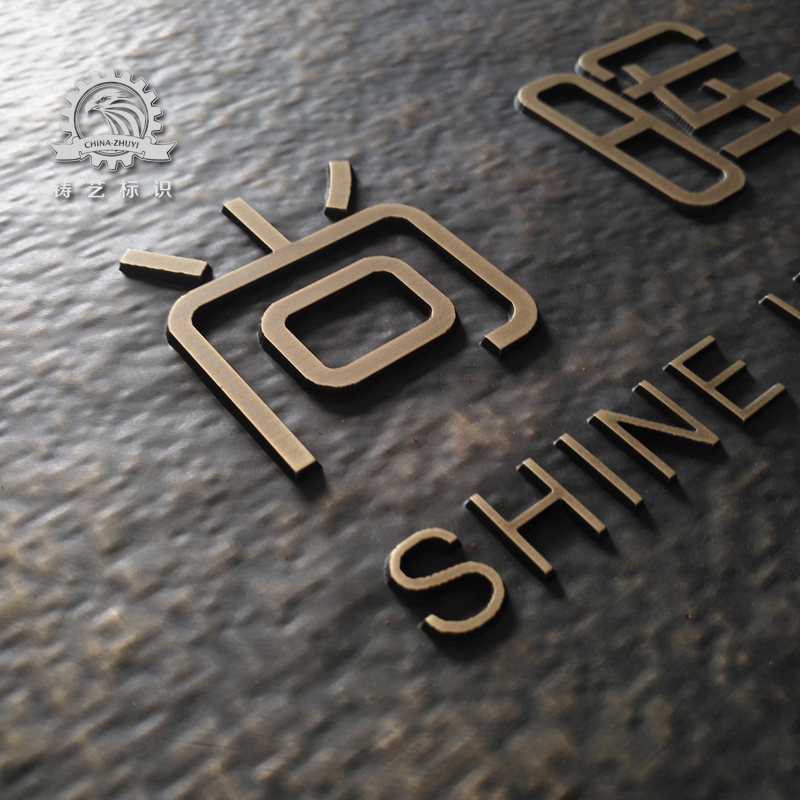
Copper plate embossed signboard
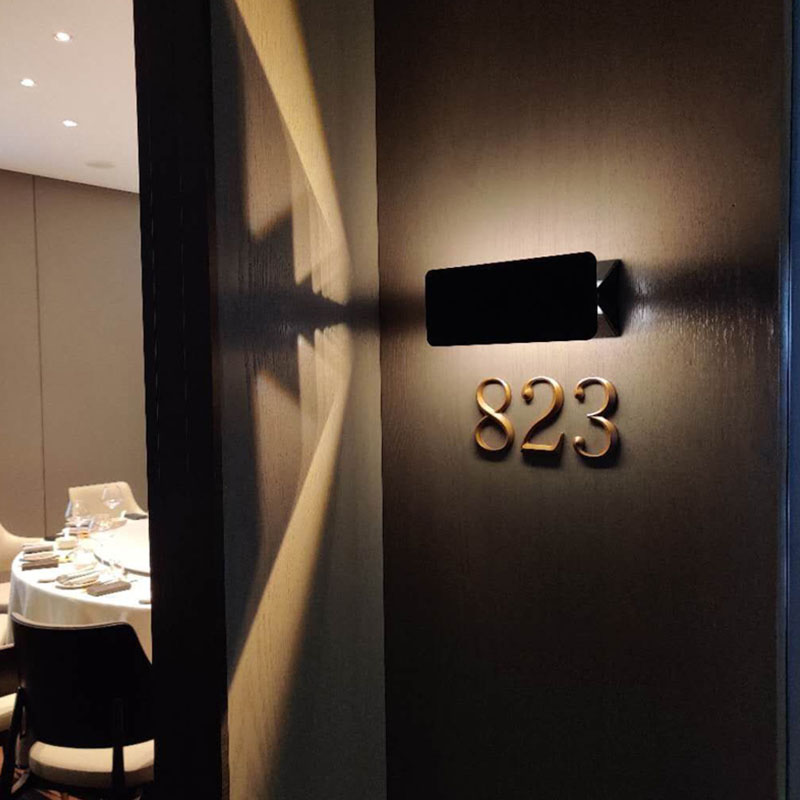
Three-dimensional metal stereoscopic characters – Hotel
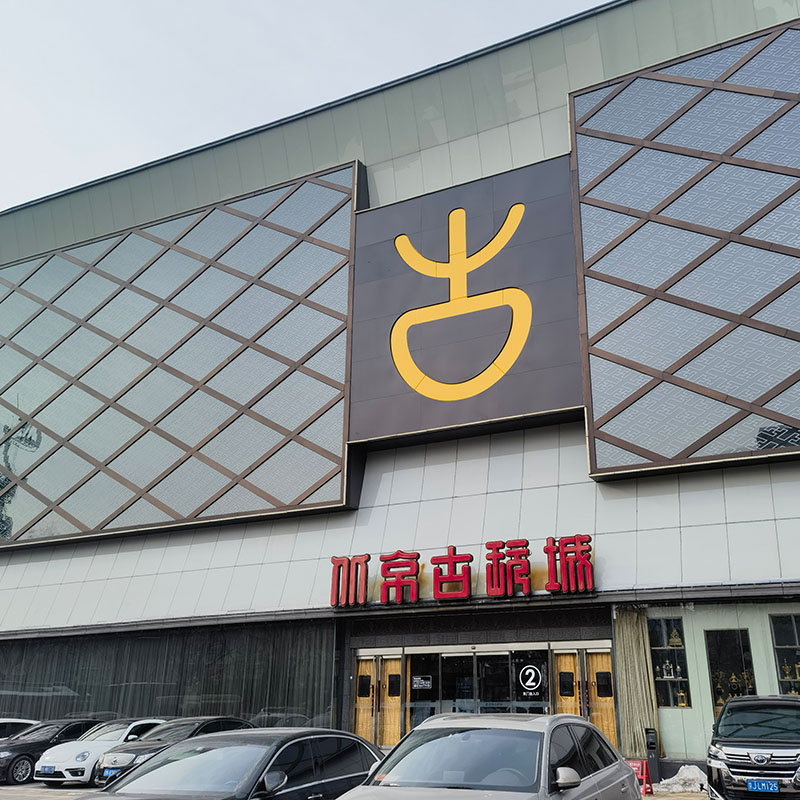
Custom-made illuminated signboards
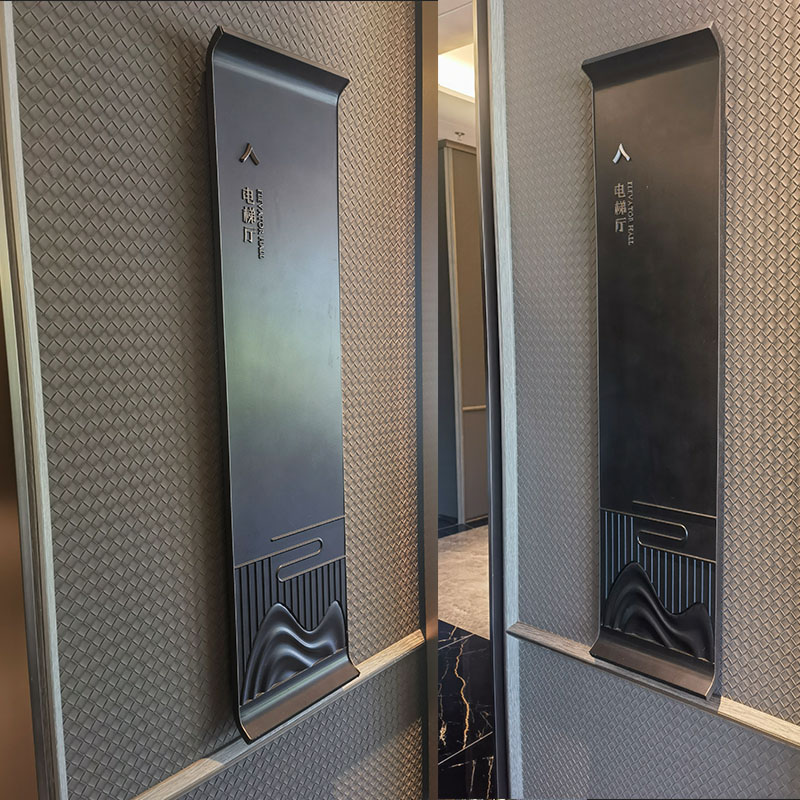
Hotel Club Signage
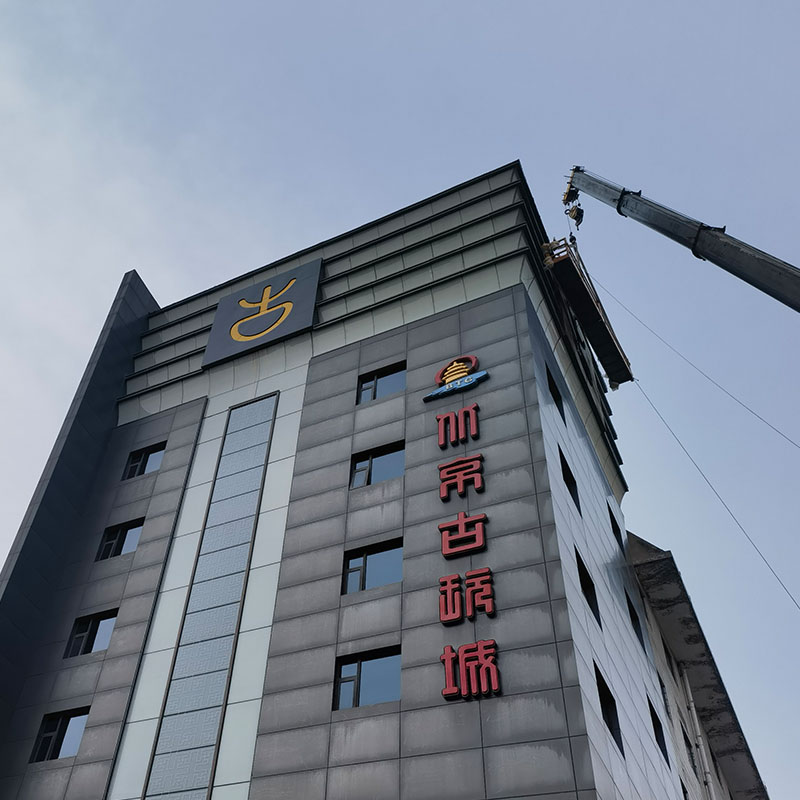
Custom-made illuminated letters for buildings
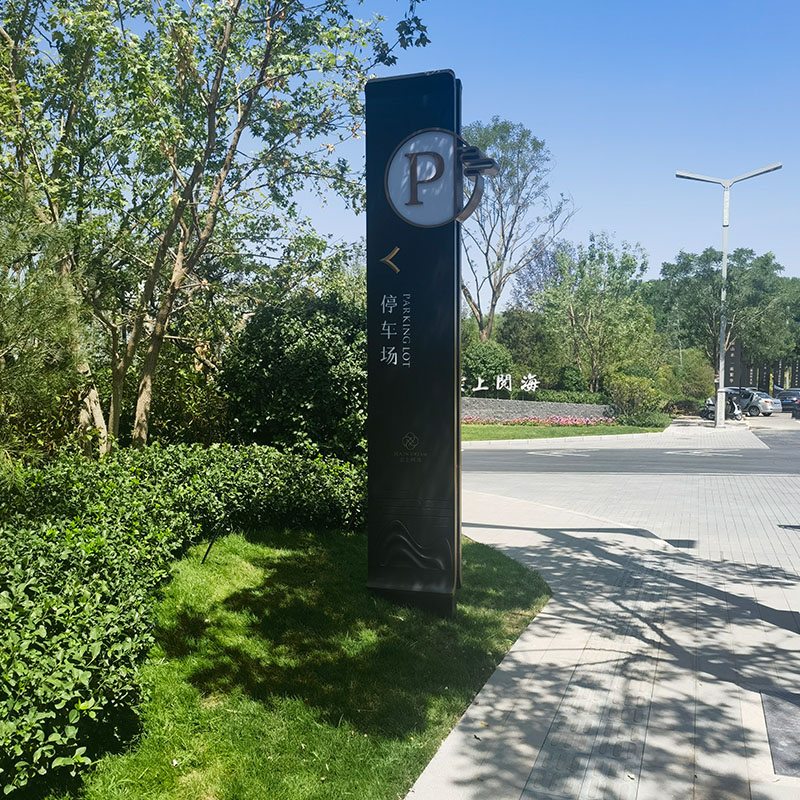
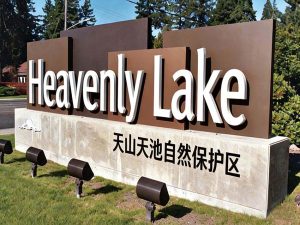
Customized park wayfinding signboards
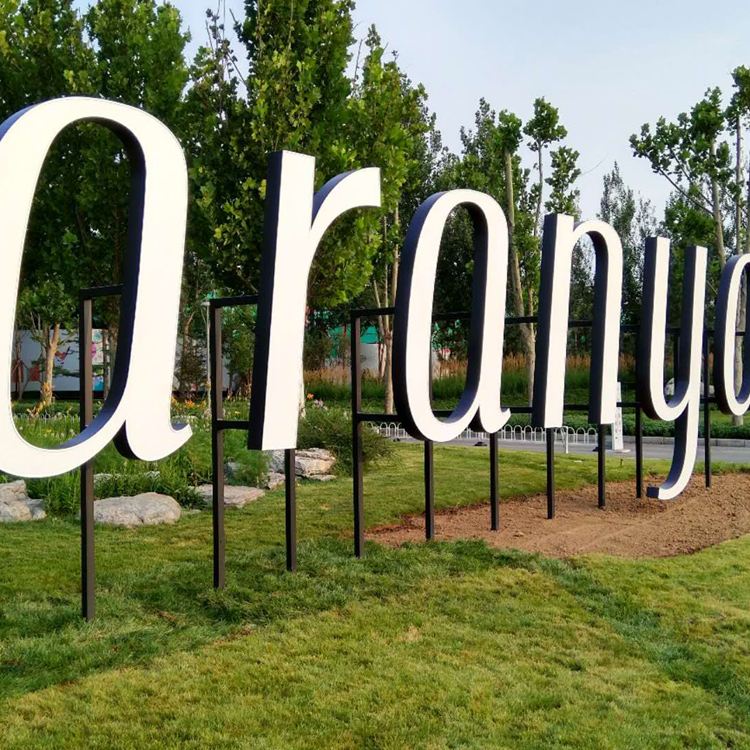


SIGNAGE DESIGN MANUFACTURE PRODUCTS
Shengyi Long Factory Signage Products
PRODUCT CATEGORIES OF SHENGYI DRAGON BRANDING PRODUCTS
Signs and plaques can be classified in various ways:
By function classification:
Indicative signs, such as road signs, clearly indicate directions and help people quickly find their destinations.
Warning signs, such as “Be safe” and “High voltage danger”, are used to remind people to be cautious of potential risks.
Explanatory type, providing explanations and descriptions of places, facilities, etc., such as information boards at scenic spots and tourist attractions.
By material classification:
Metal materials, such as stainless steel and aluminum alloy, are sturdy and durable, and are often used for large outdoor signs.
The wooden material gives people a natural and warm feeling and is often seen in parks, homestays and other places.
Acrylic material, with an exquisite appearance and good light transmittance, is often used in commercial shop signs.
Classified by usage scenarios:
Commercial signs, such as shop signs and mall wayfinding signs, are used to attract customers and guide consumption.
Public environment signs, including directional signs in hospitals, schools and other places, facilitate people’s activities in public spaces.
Traffic signs, in transportation fields such as roads and airports, ensure traffic order and safety.
HOW TO CHOOSE THE MATERIAL FOR SIGNAGE BOARDS
The selection of sign materials requires comprehensive consideration. First, look at the usage environment. For outdoor use, choose durable and weather-resistant materials such as metal and acrylic; for indoor use, wood can be considered to add warmth. Secondly, based on the budget, choose economical or high-end materials as needed. Also, combine the design style. For a modern style, glass and metal can be selected; for a natural style, wood is suitable, ensuring it matches the overall atmosphere.
常见问题解析 FAQ’s
The supply chain of the sign and plaque industry involves multiple links, from raw material supply to the final product delivery, covering several stages such as design, production, logistics, and installation. The following are the main links in the supply chain of the sign and plaque industry and their key points:
—
### 1. **Raw Material Supply**
– **Key Materials**:
– **Metal Materials**: Such as stainless steel, aluminum plates, copper plates, etc., used for making high-end signboards.
– **Plastic Materials**: Such as acrylic, PVC, PC, etc., used for making lightweight and durable signboards.
– **Wood**: Used for making retro or natural style signboards.
– **Luminous Materials**: Such as LED lights, phosphor, etc., used for making luminous signboards.
– **Coatings and Inks**: Used for surface treatment and printing.
– **Supplier Management**:
– Ensure the quality, price, and delivery time of raw materials.
– Establish long-term cooperative relationships to guarantee the stability of the supply chain.
—
### 2. **Design and R&D**
– **Design Software and Tools**:
– Use design software such as CAD, AI, and PS for signboard design.
– Provide customized design solutions based on customer needs.
– **Innovation and R&D**:
– Develop new materials and processes to enhance product competitiveness.
– Optimize the design process by integrating intelligent technologies such as AR/VR.
—
### 3. **Production and Manufacturing**
– **Production Processes**:
– **Cutting and Engraving**: Precise processing is carried out using equipment such as laser cutters and CNC engraving machines.
– **Printing and Painting**: Patterns and text are created using technologies like UV printing and screen printing.
– **Assembly and Welding**: Different components are assembled into complete signboards.
– **Surface Treatment**: Processes such as polishing, electroplating, and painting are applied to enhance the appearance quality.
– **Production Equipment**:
– Laser cutters, engraving machines, UV printers, welding equipment, etc.
– **Quality Control**:
– Strict quality inspections are conducted during the production process to ensure that products meet standards.
—
Customized Engraved Office Sign,Business Name Sign,bronze signs plaques,Door Number Sign,hotel Signs,Metal Letters,Copper Portrait Sculpture
### 4. **Logistics and Warehousing**
– **Logistics Management**:
– Select appropriate logistics companies to ensure the safe and timely delivery of products.
– Provide professional packaging and transportation services for large or fragile signboards.
– **Warehousing Management**:
– Plan the storage of raw materials and finished products rationally to reduce inventory costs.
– Use information systems (such as WMS) to enhance warehousing efficiency.
—
### 5. **Installation and Construction**
– **Site Survey**:
– Confirm the installation location, environmental conditions, and customer requirements.
– **Installation Team**:
– Provide professional installation services to ensure that the signboards are firm and aesthetically pleasing.
– **Construction Equipment**:
– Use equipment such as aerial work platforms, electric drills, and welding equipment to complete the installation.
—
### 6. **After-sales Service**
– **Maintenance and Care**:
– Provide regular maintenance services to extend the service life of the signboards.
– **Problem Resolution**:
– Offer timely repair or replacement services for damaged or defective signboards.
—
### 7. **Informationization and Intelligence**
– **Supply Chain Management System**:
– Optimize supply chain management by using systems such as ERP and SCM to enhance efficiency.
– **Data Analysis**:
– Optimize inventory, production, and logistics through data analysis.
– **Intelligent Technologies**:
– Integrate AI, IoT, and other technologies to achieve intelligent supply chain management.
—
### 8. **Environmental Protection and Sustainable Development**
– **Green Materials**:
– Select environmentally friendly materials to minimize the impact on the environment.
– **Waste Recycling**:
– Recycle waste generated during the production process to reduce waste.
– **Energy-efficient Production**:
– Adopt energy-efficient equipment and technologies to reduce energy consumption.
—
### Suggestions for Supply Chain Optimization
1. **Digital Management**: Introduce information systems to achieve data sharing and collaboration across all supply chain links.
2. **Supplier Partnership**: Establish long-term cooperative relationships with high-quality suppliers to ensure the quality and stability of raw material supply.
3. **Inventory Optimization**: Use data analysis to rationally control inventory and reduce capital occupation.
4. **Intelligent Upgrade**: Combine AI, IoT and other technologies to enhance the intelligence level of the supply chain.
—
By optimizing supply chain management, signboard enterprises can enhance production efficiency, reduce costs, and improve customer satisfaction, thereby gaining an edge in market competition.
The process of customizing signboards usually includes the following steps:
### 1. **Requirement Communication**
– **Clarify the Purpose**: Determine the purpose of the sign (such as directional signs, warning signs, advertising signs, etc.).
– **Size and Material**: Select the appropriate size and material (such as metal, acrylic, PVC, etc.) based on the installation environment and budget.
– **Design Style**: Determine the design style, color, font, etc., to ensure coordination with the brand or environment.
### 2. **Design Phase**
– **Initial Design**: The designer provides an initial plan based on the requirements.
– **Feedback and Revision**: The client offers revision suggestions, and the designer makes adjustments.
– **Design Confirmation**: The client finally confirms the design plan.
### 3. **Production Stage**
– **Material Procurement**: Purchase the required materials based on the design.
– **Production Processing**: Carry out processes such as cutting, engraving, printing, and spray painting.
– **Quality Inspection**: Ensure that the finished products meet the design requirements and quality standards.
### 4. **Installation Phase**
– **Site Survey**: Confirm the installation location and environment.
– **Installation Work**: Install according to the on-site conditions, ensuring it is secure and aesthetically pleasing.
– **Acceptance**: The customer conducts the acceptance inspection. Once confirmed to be correct, the delivery is completed.
### 5. **After-sales Service**
– **Maintenance and Care**: Provide maintenance suggestions to ensure the long-term use of the signboards.
– **Problem Resolution**: In case of quality issues, promptly offer solutions.
### Notes
– **Time Management**: Plan ahead to ensure timely completion.
– **Budget Control**: Select appropriate materials and processes within the budget.
– **Compliance**: Ensure that the signboards comply with relevant regulations and standards.
Through the above process, it can be ensured that each link from the design to the installation of the signboard is effectively controlled, and ultimately the customer’s requirements are met.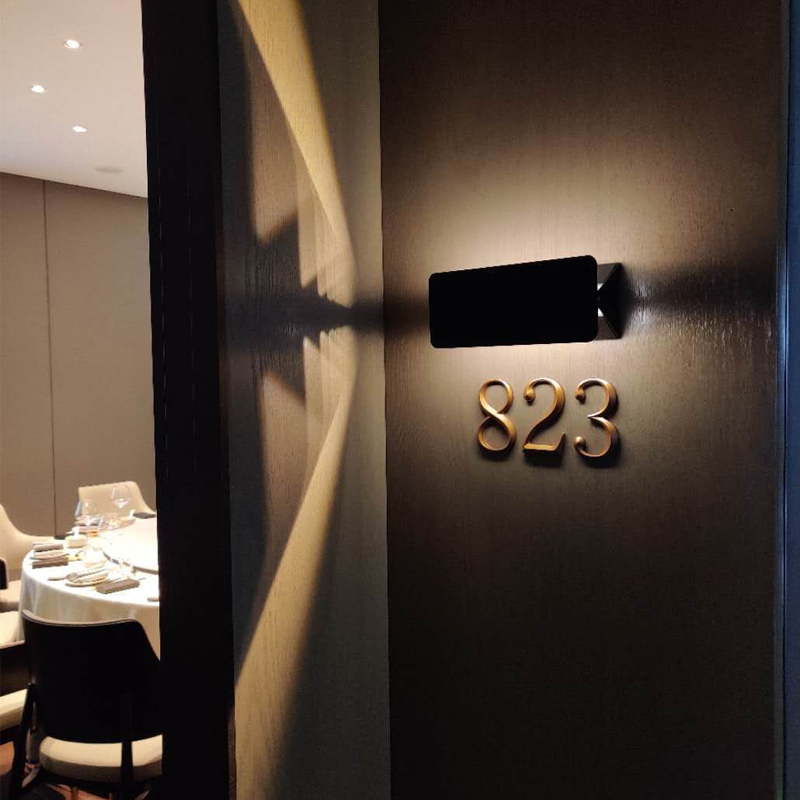
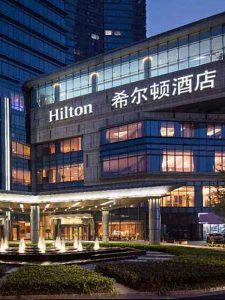
The production of illuminated building sign letters usually involves several steps, including design, material selection, manufacturing and installation. Here is a detailed process:
### 1. Design
– **Font Selection**: Choose an appropriate font based on the brand or architectural style.
– **Size Determination**: Determine the font size based on the building’s size and viewing distance.
– **Color and Effects**: Select the luminous color and decide whether dynamic effects (such as gradient or flashing) are needed.
### 2. Material Selection
– **LED Lights**: LED lights are commonly used as the light source due to their energy efficiency, long lifespan, and high brightness.
– **Shell Materials**: Stainless steel, aluminum plates, and acrylic are frequently used. Stainless steel and aluminum plates are durable, while acrylic has good light transmittance.
– **Panel Materials**: Acrylic sheets are typically used for their uniform light transmission and variety of colors.
### 3. Production
– **Production of letter casing**: Cut, weld and grind the letter casing according to the design drawings.
– **Installation of LED lights**: Evenly install LED lights inside the letter casing to ensure uniform light distribution.
– **Production of panels**: Cut acrylic sheets and fix them onto the letter casing.
### 4. Installation
– **Fixing the brackets**: Install the brackets on the building to ensure they are stable.
– **Connecting the circuit**: Connect the illuminated letters to the power supply to ensure the circuit is safe.
– **Testing**: After installation, test the illuminated effect to ensure uniform brightness.
### 5. Maintenance
– **Regular Inspection**: Regularly inspect the circuit and LED lights, and replace damaged parts in a timely manner.
– **Cleaning and Maintenance**: Regularly clean the surface to keep it looking good.
### Precautions
– **Safety**: Ensure the installation is secure and the circuit complies with safety standards.
– **Waterproof and Dustproof**: When used outdoors, make sure to take waterproof and dustproof measures.
– **Energy Conservation and Environmental Protection**: Choose energy-saving LED lights to reduce energy consumption.
By following these steps, building sign illuminated letters that meet the requirements can be produced.
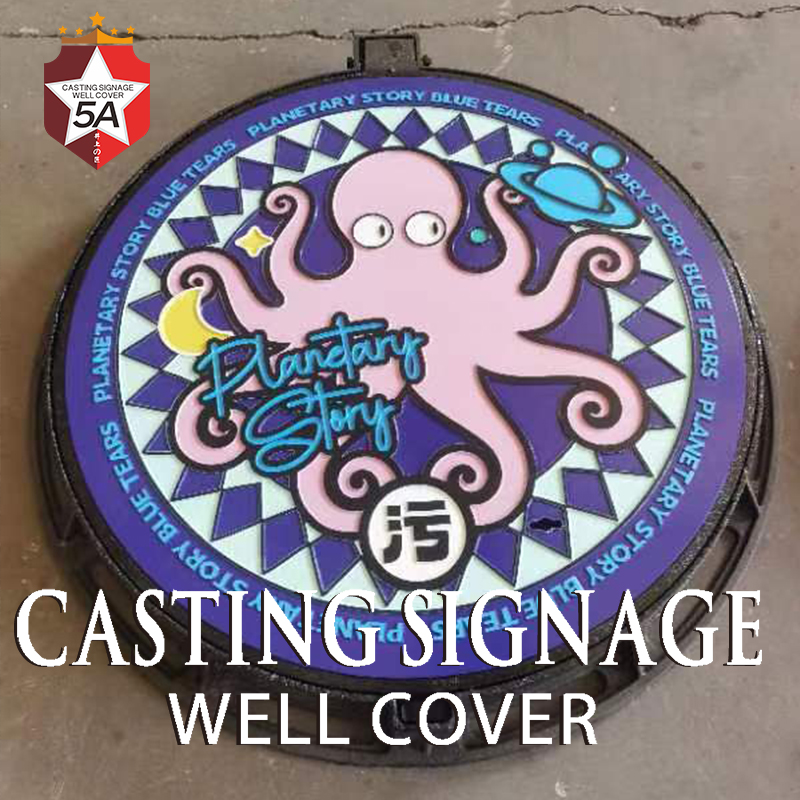
There are generally two forms of artistic manhole covers.
The first type is the colored manhole cover.
The second type is the copper-faced manhole cover.
Let’s start with the first type, the colored manhole cover. Colored manhole covers are usually made by applying outdoor wear-resistant resin, fluorocarbon and other materials on the surface of cast iron manhole covers. Generally, the way manhole covers are made in Japan falls into this category.
Let’s talk about the second type, the copper-faced manhole cover.
There are four methods to make copper surface manhole covers with the effects of bronze, brass or red copper.
1. Casting bronze or red copper requires a large amount of copper and is relatively expensive, but it is suitable for long-term use.
2. Using cast iron as the load-bearing base and placing an 8-millimeter thick embossed copper plate in the surface grooves, the two materials are physically combined to form a complete finished manhole cover. This method is suitable for small batches and can be used for a long time.
3. Casting patterns and characters with cast iron and covering the surface with a 0.5 – 1-millimeter thick layer of bronze, brass or red copper by laser. This can reduce production costs. It can be used for 6-8 years without wearing out, and even if it wears out, it still looks good, making it suitable for long-term use.
4. Casting patterns and characters with cast iron and electroplating a 0.1-millimeter thick layer of bronze, brass or red copper on the surface to reduce production costs. It can be used for one year before wearing out, but it is very cheap and not suitable for long-term use.
The full name of Shengyi Long Company is “Beijing Shengyi Long International Sign Engineering Co., Ltd.” It has the qualification of an operator of foreign trade issued by the state and has opened a foreign exchange account.
In the Chinese mainland, we have provided processing and services for the real estate, scenic spots, hotels, medical care and other industries in many regions.
We have also cooperated with clients from the United States, the United Kingdom, Germany, Kazakhstan, Japan, Kenya, Australia, Taiwan and other regions.