
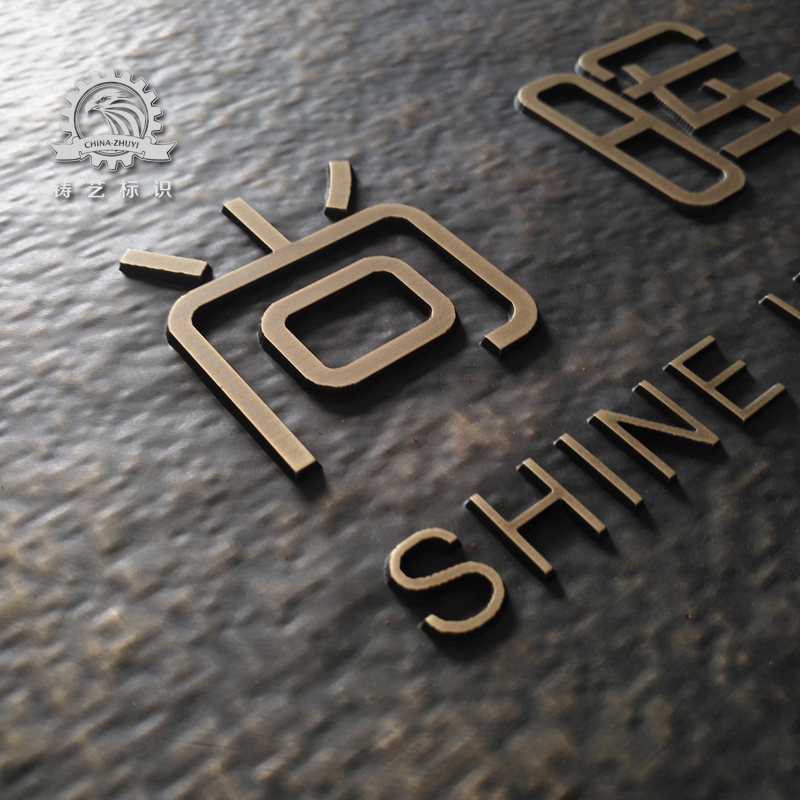
Copper plate embossed signboard
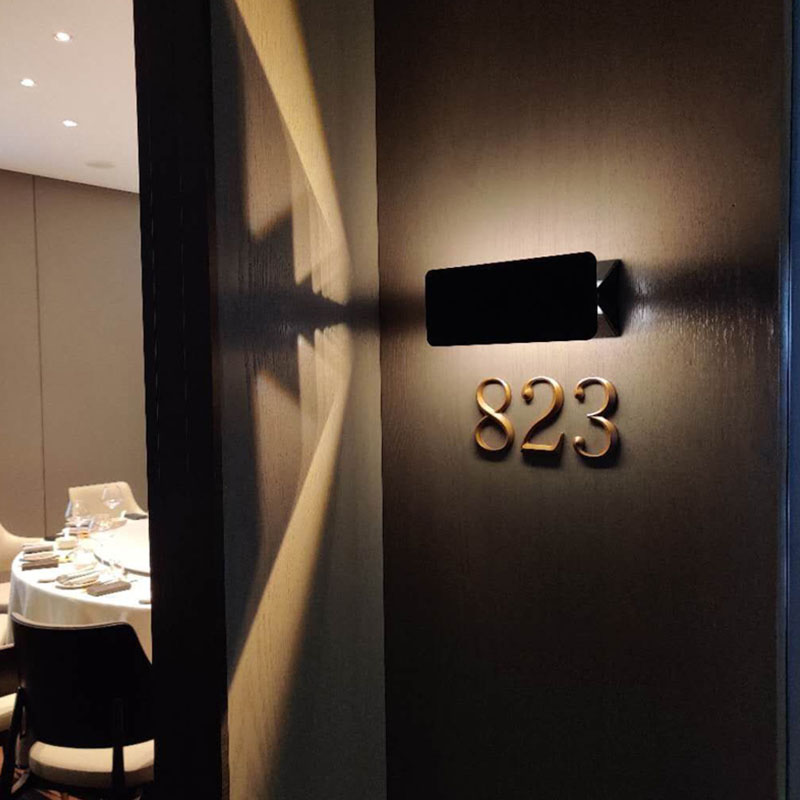
Three-dimensional metal stereoscopic characters – Hotel
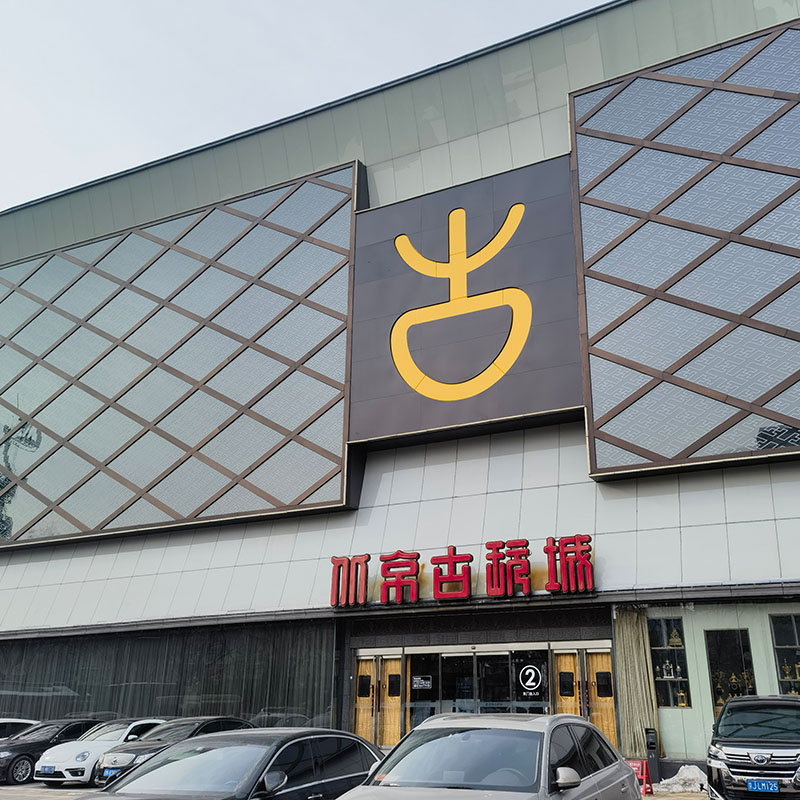
Custom-made illuminated signboards
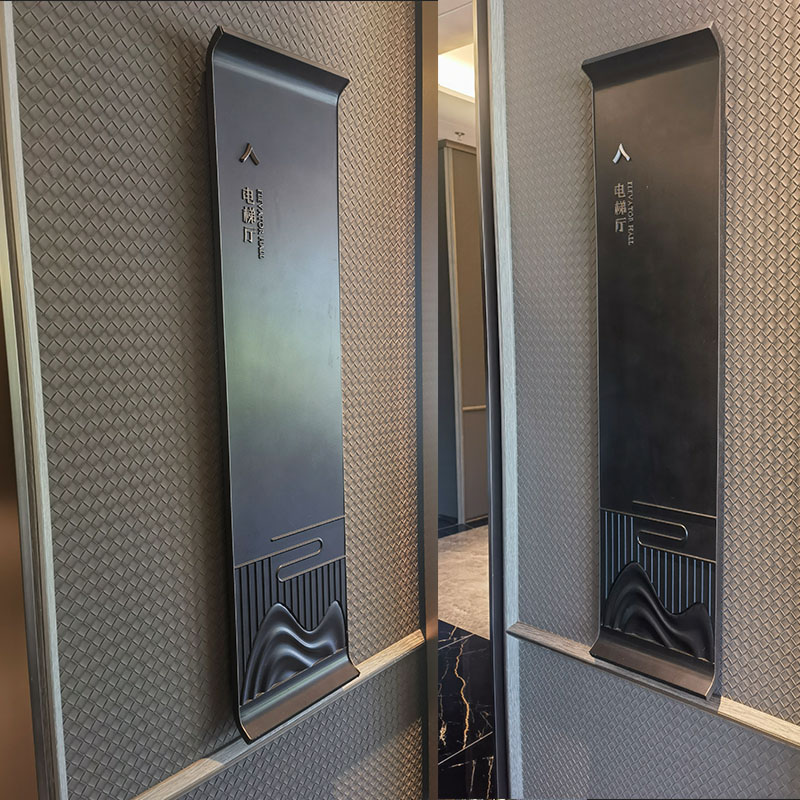
Hotel Club Signage
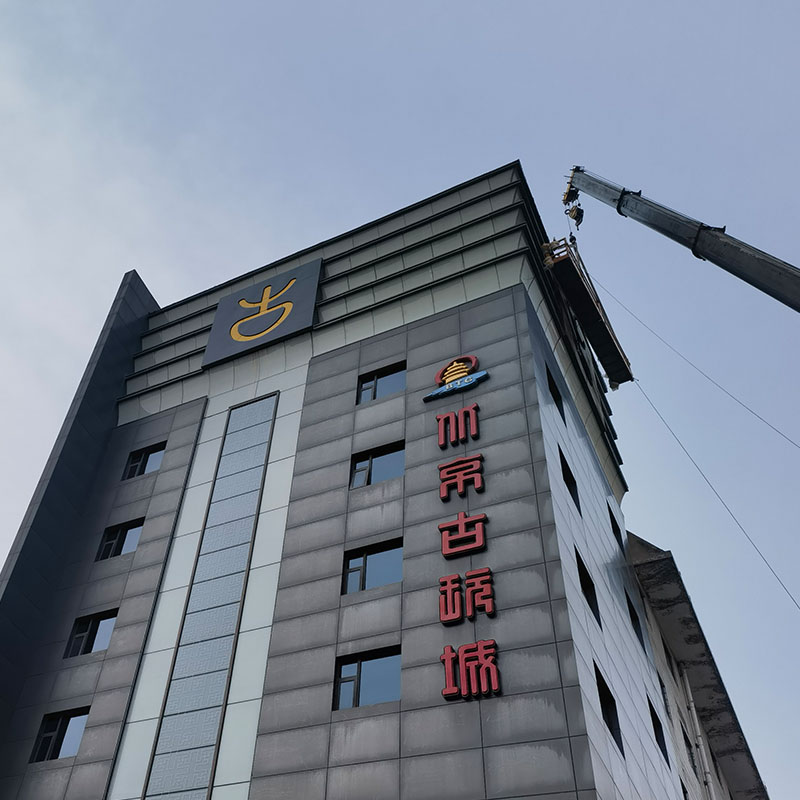
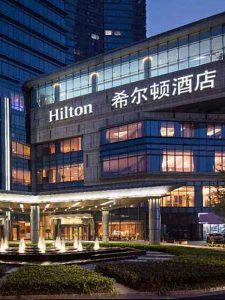
Custom-made illuminated letters for buildings
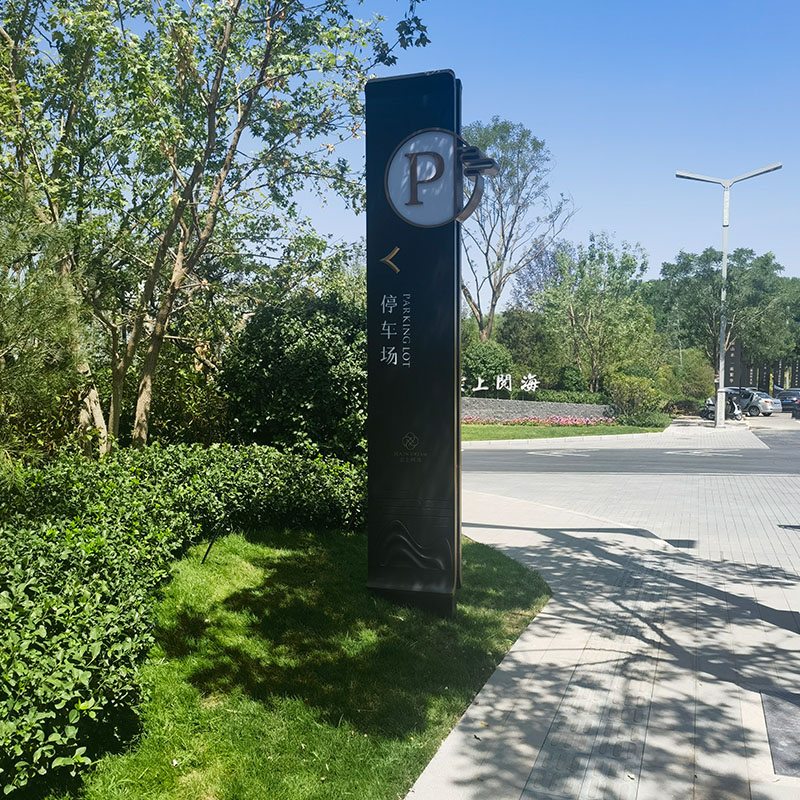
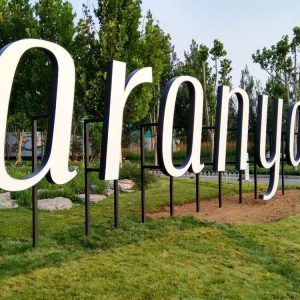
Customized park wayfinding signboards
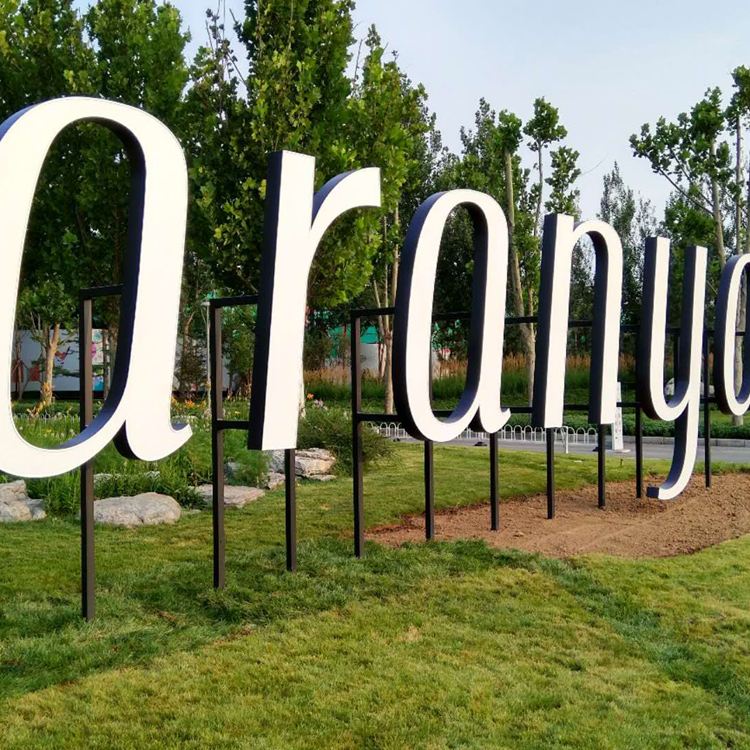


SIGNAGE DESIGN MANUFACTURE PRODUCTS
Shengyi Long Factory Signage Products
PRODUCT CATEGORIES OF SHENGYI DRAGON BRANDING PRODUCTS
Signs and plaques can be classified in various ways:
By function classification:
Indicative signs, such as road signs, clearly indicate directions and help people quickly find their destinations.
Warning signs, such as “Be safe” and “High voltage danger”, are used to remind people to be cautious of potential risks.
Explanatory type, providing explanations and descriptions of places, facilities, etc., such as information boards at scenic spots and tourist attractions.
By material classification:
Metal materials, such as stainless steel and aluminum alloy, are sturdy and durable, and are often used for large outdoor signs.
The wooden material gives people a natural and warm feeling and is often seen in parks, homestays and other places.
Acrylic material, with an exquisite appearance and good light transmittance, is often used in commercial shop signs.
Classified by usage scenarios:
Commercial signs, such as shop signs and mall wayfinding signs, are used to attract customers and guide consumption.
Public environment signs, including directional signs in hospitals, schools and other places, facilitate people’s activities in public spaces.
Traffic signs, in transportation fields such as roads and airports, ensure traffic order and safety.
HOW TO CHOOSE THE MATERIAL FOR SIGNAGE BOARDS
The selection of sign materials requires comprehensive consideration. First, look at the usage environment. For outdoor use, choose durable and weather-resistant materials such as metal and acrylic; for indoor use, wood can be considered to add warmth. Secondly, based on the budget, choose economical or high-end materials as needed. Also, combine the design style. For a modern style, glass and metal can be selected; for a natural style, wood is suitable, ensuring it matches the overall atmosphere.
常见问题解析 FAQ’s
The process of customizing signboards usually includes the following steps:
### 1. **Requirement Communication**
– **Clarify the Purpose**: Determine the purpose of the sign (such as directional signs, warning signs, advertising signs, etc.).
– **Size and Material**: Select the appropriate size and material (such as metal, acrylic, PVC, etc.) based on the installation environment and budget.
– **Design Style**: Determine the design style, color, font, etc., to ensure coordination with the brand or environment.
### 2. **Design Phase**
– **Initial Design**: The designer provides an initial plan based on the requirements.
– **Feedback and Revision**: The client offers revision suggestions, and the designer makes adjustments.
– **Design Confirmation**: The client finally confirms the design plan.
### 3. **Production Stage**
– **Material Procurement**: Purchase the required materials based on the design.
– **Production Processing**: Carry out processes such as cutting, engraving, printing, and spray painting.
– **Quality Inspection**: Ensure that the finished products meet the design requirements and quality standards.
### 4. **Installation Phase**
– **Site Survey**: Confirm the installation location and environment.
– **Installation Work**: Install according to the on-site conditions, ensuring it is secure and aesthetically pleasing.
– **Acceptance**: The customer conducts the acceptance inspection. Once confirmed to be correct, the delivery is completed.
### 5. **After-sales Service**
– **Maintenance and Care**: Provide maintenance suggestions to ensure the long-term use of the signboards.
– **Problem Resolution**: In case of quality issues, promptly offer solutions.
### Notes
– **Time Management**: Plan ahead to ensure timely completion.
– **Budget Control**: Select appropriate materials and processes within the budget.
– **Compliance**: Ensure that the signboards comply with relevant regulations and standards.
Through the above process, it can be ensured that each link from the design to the installation of the signboard is effectively controlled, and ultimately the customer’s requirements are met.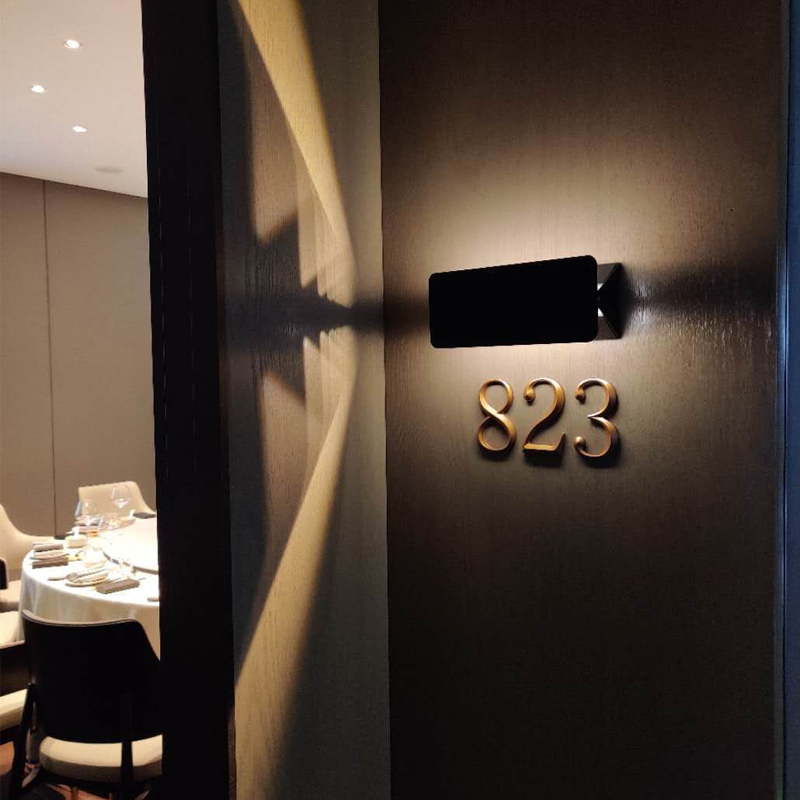
AI is an artificial intelligence technology that can be integrated with the sign industry in various ways to promote its intelligence, digitalization, and efficiency. The following are several potential directions for the integration of DeepSeek technology with the sign industry:
### 1. **Intelligent Design and Optimization**
– **AI-Assisted Design**: By leveraging DeepSeek’s AI technology, we develop intelligent design tools to assist designers in quickly generating signboard design proposals. By inputting requirements such as size, material, and style, the AI can automatically generate multiple design options for customers to choose from.
– **Personalized Customization**: Based on customer demand data, the AI can recommend personalized design elements (such as colors, fonts, and patterns), enhancing design efficiency.
—
### 2. **Intelligent Production and Process Optimization**
– **Automated Production**: By integrating AI and machine learning technologies, the production process of signboards is optimized, enabling automated cutting, engraving, printing, and other processes. This reduces labor costs and enhances production efficiency.
– **Quality Inspection**: Computer vision technology is employed to conduct real-time quality inspection of signboards during the production process, ensuring that the finished products meet the standards.
### 3. **Smart Installation and Maintenance**
– **AR-Assisted Installation**: By leveraging augmented reality (AR) technology, visual guidance is provided to installers to ensure the accuracy of the installation position and angle of the signboards.
– **Intelligent Maintenance Alerts**: Utilizing Internet of Things (IoT) and AI technologies, the status of the signboards (such as damage, fading, etc.) is monitored, and automatic alerts for maintenance or replacement are issued.
—
### 4. **Data Analysis and Market Insights**
– **Customer Demand Analysis**: By analyzing customers’ historical orders and preference data, AI can predict market demands, helping enterprises optimize their products and services.
– **Industry Trend Forecasting**: Utilizing big data analysis, it provides signboard enterprises with industry trend and competitive analysis, assisting them in formulating strategies.
—
### 5. **Intelligent Marketing and Customer Service**
– **Intelligent Customer Service**: By leveraging DeepSeek’s natural language processing (NLP) technology, an intelligent customer service system is developed to provide 24/7 consultation services to customers, addressing questions related to sign design, production, and installation.
– **Precision Marketing**: Through AI analysis of customer data, precision marketing is achieved, recommending suitable sign products and services to potential customers.
—
### 6. **Environmental Protection and Sustainable Development**
– **Material Optimization Suggestions**: AI can analyze the environmental performance of different materials, helping enterprises choose more eco-friendly materials and promoting sustainable development.
– **Waste Management**: By optimizing production processes through AI, material waste can be reduced and production costs lowered.
—
### 7. **Virtual Display and Experience**
– **Virtual Reality (VR) Display**: Utilizing VR technology, we offer customers a virtual display experience of signboards, allowing them to view the actual effect of the signboards in a virtual environment.
– **Online Customization Platform**: Develop an AI-based online customization platform where customers can adjust design parameters in real time and view the results, enhancing the user experience.
—
### 8. **Industry Training and Knowledge Sharing**
– **AI Training System**: Provide an AI-driven training system for professionals in the signboard industry to help them master the latest design, production, and management technologies.
– **Knowledge Base Construction**: Utilize AI technology to build an industry knowledge base, enabling enterprises to quickly access relevant technical and market information.
—
### Summary
DeepSeek’s AI technology can bring about a full-process intelligent upgrade for the signboard industry, from design, production to installation and maintenance, helping enterprises enhance efficiency, reduce costs, and improve customer experience. At the same time, it promotes the digital transformation and sustainable development of the industry. If you have specific needs or scenarios, we can further discuss how to customize and integrate DeepSeek’s technology.
The production of illuminated building sign letters usually involves several steps, including design, material selection, manufacturing and installation. Here is a detailed process:
### 1. Design
– **Font Selection**: Choose an appropriate font based on the brand or architectural style.
– **Size Determination**: Determine the font size based on the building’s size and viewing distance.
– **Color and Effects**: Select the luminous color and decide whether dynamic effects (such as gradient or flashing) are needed.
### 2. Material Selection
– **LED Lights**: LED lights are commonly used as the light source due to their energy efficiency, long lifespan, and high brightness.
– **Shell Materials**: Stainless steel, aluminum plates, and acrylic are frequently used. Stainless steel and aluminum plates are durable, while acrylic has good light transmittance.
– **Panel Materials**: Acrylic sheets are typically used for their uniform light transmission and variety of colors.
### 3. Production
– **Production of letter casing**: Cut, weld and grind the letter casing according to the design drawings.
– **Installation of LED lights**: Evenly install LED lights inside the letter casing to ensure uniform light distribution.
– **Production of panels**: Cut acrylic sheets and fix them onto the letter casing.
### 4. Installation
– **Fixing the brackets**: Install the brackets on the building to ensure they are stable.
– **Connecting the circuit**: Connect the illuminated letters to the power supply to ensure the circuit is safe.
– **Testing**: After installation, test the illuminated effect to ensure uniform brightness.
### 5. Maintenance
– **Regular Inspection**: Regularly inspect the circuit and LED lights, and replace damaged parts in a timely manner.
– **Cleaning and Maintenance**: Regularly clean the surface to keep it looking good.
### Precautions
– **Safety**: Ensure the installation is secure and the circuit complies with safety standards.
– **Waterproof and Dustproof**: When used outdoors, make sure to take waterproof and dustproof measures.
– **Energy Conservation and Environmental Protection**: Choose energy-saving LED lights to reduce energy consumption.
By following these steps, building sign illuminated letters that meet the requirements can be produced.
The supply chain of the sign and plaque industry involves multiple links, from raw material supply to the final product delivery, covering several stages such as design, production, logistics, and installation. The following are the main links in the supply chain of the sign and plaque industry and their key points:
—
### 1. **Raw Material Supply**
– **Key Materials**:
– **Metal Materials**: Such as stainless steel, aluminum plates, copper plates, etc., used for making high-end signboards.
– **Plastic Materials**: Such as acrylic, PVC, PC, etc., used for making lightweight and durable signboards.
– **Wood**: Used for making retro or natural style signboards.
– **Luminous Materials**: Such as LED lights, phosphor, etc., used for making luminous signboards.
– **Coatings and Inks**: Used for surface treatment and printing.
– **Supplier Management**:
– Ensure the quality, price, and delivery time of raw materials.
– Establish long-term cooperative relationships to guarantee the stability of the supply chain.
—
### 2. **Design and R&D**
– **Design Software and Tools**:
– Use design software such as CAD, AI, and PS for signboard design.
– Provide customized design solutions based on customer needs.
– **Innovation and R&D**:
– Develop new materials and processes to enhance product competitiveness.
– Optimize the design process by integrating intelligent technologies such as AR/VR.
—
### 3. **Production and Manufacturing**
– **Production Processes**:
– **Cutting and Engraving**: Precise processing is carried out using equipment such as laser cutters and CNC engraving machines.
– **Printing and Painting**: Patterns and text are created using technologies like UV printing and screen printing.
– **Assembly and Welding**: Different components are assembled into complete signboards.
– **Surface Treatment**: Processes such as polishing, electroplating, and painting are applied to enhance the appearance quality.
– **Production Equipment**:
– Laser cutters, engraving machines, UV printers, welding equipment, etc.
– **Quality Control**:
– Strict quality inspections are conducted during the production process to ensure that products meet standards.
—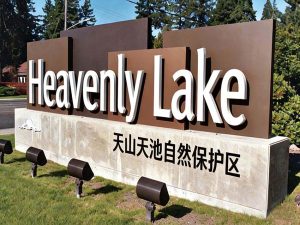
Customized Engraved Office Sign,Business Name Sign,bronze signs plaques,Door Number Sign,hotel Signs,Metal Letters,Copper Portrait Sculpture
### 4. **Logistics and Warehousing**
– **Logistics Management**:
– Select appropriate logistics companies to ensure the safe and timely delivery of products.
– Provide professional packaging and transportation services for large or fragile signboards.
– **Warehousing Management**:
– Plan the storage of raw materials and finished products rationally to reduce inventory costs.
– Use information systems (such as WMS) to enhance warehousing efficiency.
—
### 5. **Installation and Construction**
– **Site Survey**:
– Confirm the installation location, environmental conditions, and customer requirements.
– **Installation Team**:
– Provide professional installation services to ensure that the signboards are firm and aesthetically pleasing.
– **Construction Equipment**:
– Use equipment such as aerial work platforms, electric drills, and welding equipment to complete the installation.
—
### 6. **After-sales Service**
– **Maintenance and Care**:
– Provide regular maintenance services to extend the service life of the signboards.
– **Problem Resolution**:
– Offer timely repair or replacement services for damaged or defective signboards.
—
### 7. **Informationization and Intelligence**
– **Supply Chain Management System**:
– Optimize supply chain management by using systems such as ERP and SCM to enhance efficiency.
– **Data Analysis**:
– Optimize inventory, production, and logistics through data analysis.
– **Intelligent Technologies**:
– Integrate AI, IoT, and other technologies to achieve intelligent supply chain management.
—
### 8. **Environmental Protection and Sustainable Development**
– **Green Materials**:
– Select environmentally friendly materials to minimize the impact on the environment.
– **Waste Recycling**:
– Recycle waste generated during the production process to reduce waste.
– **Energy-efficient Production**:
– Adopt energy-efficient equipment and technologies to reduce energy consumption.
—
### Suggestions for Supply Chain Optimization
1. **Digital Management**: Introduce information systems to achieve data sharing and collaboration across all supply chain links.
2. **Supplier Partnership**: Establish long-term cooperative relationships with high-quality suppliers to ensure the quality and stability of raw material supply.
3. **Inventory Optimization**: Use data analysis to rationally control inventory and reduce capital occupation.
4. **Intelligent Upgrade**: Combine AI, IoT and other technologies to enhance the intelligence level of the supply chain.
—
By optimizing supply chain management, signboard enterprises can enhance production efficiency, reduce costs, and improve customer satisfaction, thereby gaining an edge in market competition.
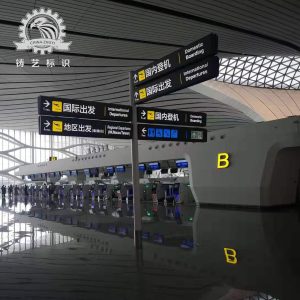
The Functions and Classification of Public Transport Station Signage and Guidance Systems

The so-called public transportation signs, including the airport, railway station and subway sign guidance systems, have the function of identification and indication. This function has two layers of meaning: one is the actual indication meaning, which points out the location, direction, road and behavioral momentum, such as the entrance of the place, the restroom, the parking lot, etc.; the other is the psychological identification of the wayfinder, that is, the form, shape, texture and placement of the guidance system design should reflect the cultural or regional context.
According to the first meaning of the communication function, the design of the subway sign guidance system can be divided into five major types: identification, direction, space, explanation and restriction.
Identification of wayfinding system design.
The identification wayfinding system design refers to the design that indicates where one is or what something is, mainly including designs aimed at distinction. For instance, landmark buildings, murals, sculptures, restrooms, and parking lots, etc.
2. Directional signage system design.
Directional signage system design mainly refers to the design of route signs that guide to specific places and facilities through indicators such as arrows. This type of design aims to guide the direction of passage and is suitable for situations where direct guidance to the destination is needed. For example: road signs, billboards and arrows, etc.
3. Spatial wayfinding system design.
The design of spatial wayfinding systems refers to the design that visually or tactilely represents positional relationships through maps or graphics. It is based on the principle of comprehensive guidance, allowing users to grasp the overall structure and selectively utilize spatial position information to guide them to their destinations.
4. Explain the design of the wayfinding system.
Wayfinding systems are typically found in environments prone to ambiguity or designed to explain situations, serving the functions of conveying the intentions of managers and the content of facilities. To more accurately explain ambiguity or situations, such wayfinding systems are often designed in the form of articles.
5. Management of wayfinding system design.
Management wayfinding system design refers to the design aimed at indicating legal and administrative regulations. Generally, it mainly represents items that require attention, and performs the function of urging people to pay attention to safety and abide by the order.