
We fabricate custom metal sculptures for parks, plazas, hotels and commercial developments: stainless steel, corten steel, bronze and FRP figures, letter sculptures and installation art with internal armatures, lighting and engineered base connections.
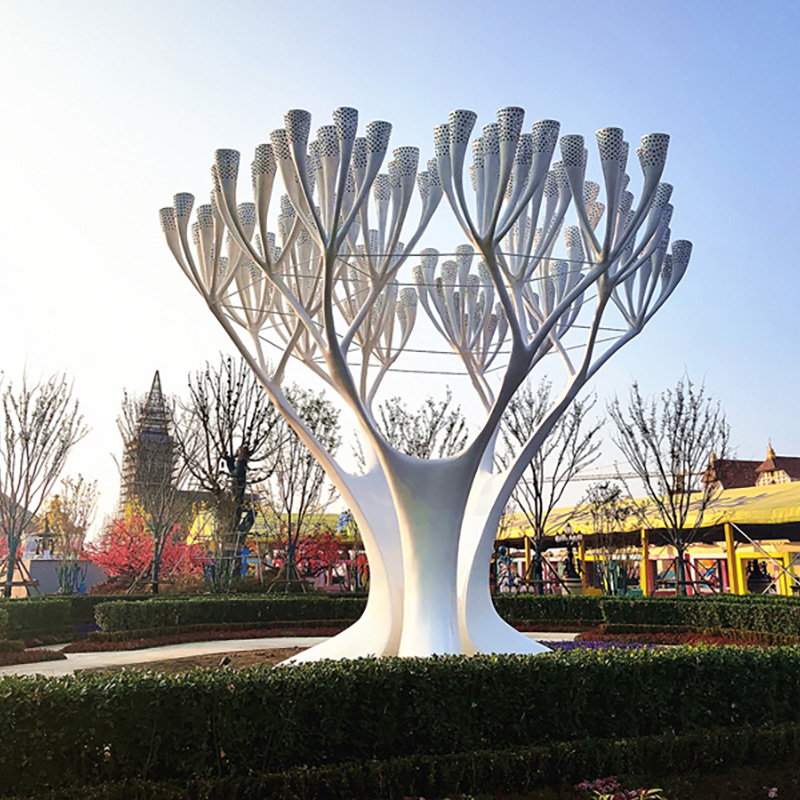
Installation sculpture products
SHENGYILONG
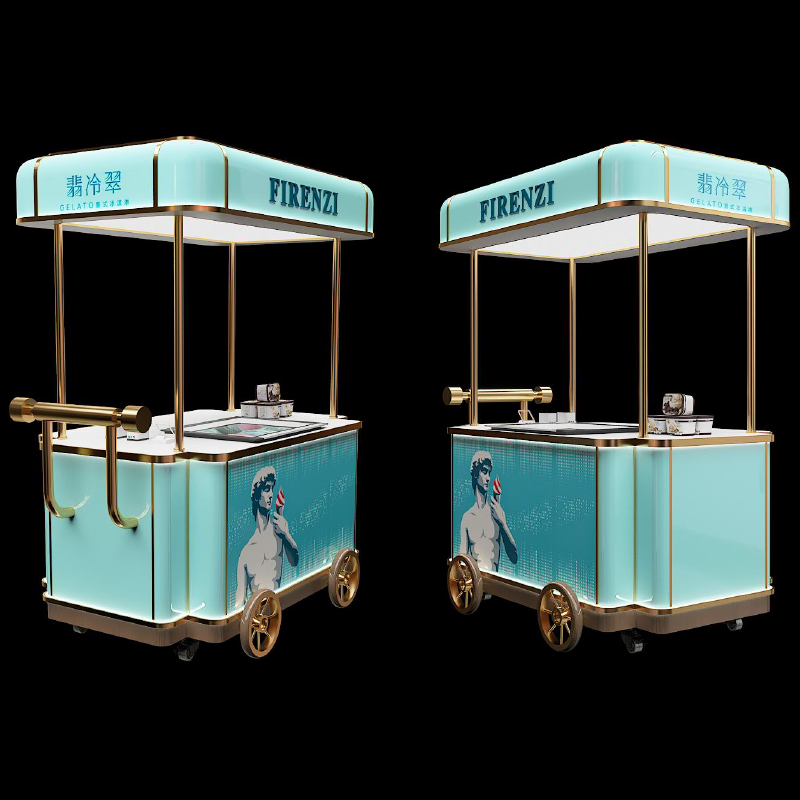
Mobile ice cream truck
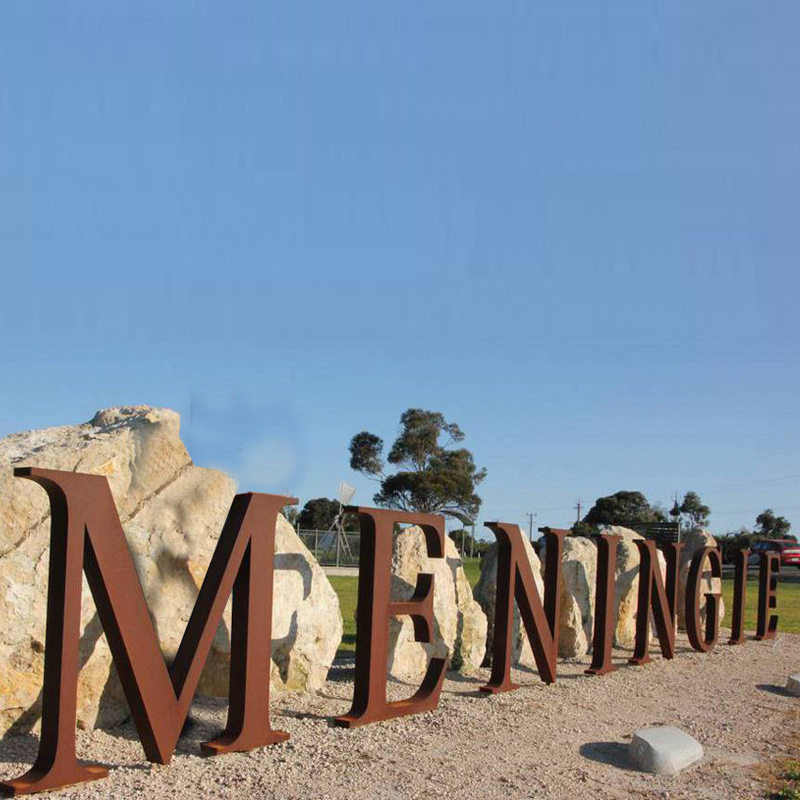
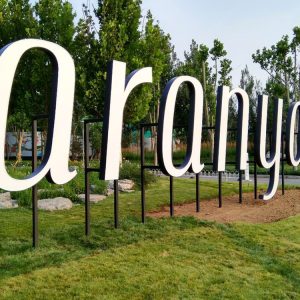
Weathering steel three-dimensional large characters
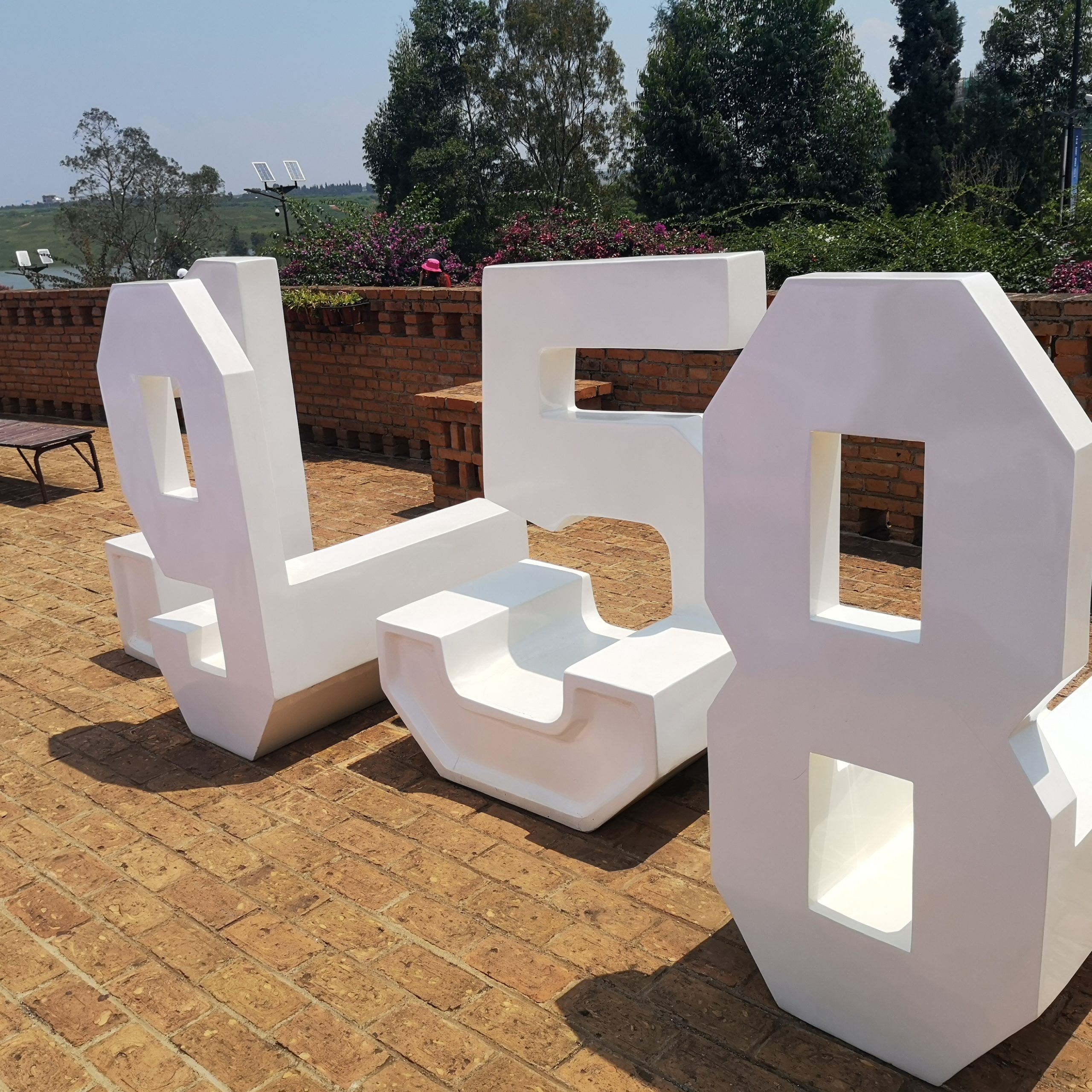
FRP art sculpture
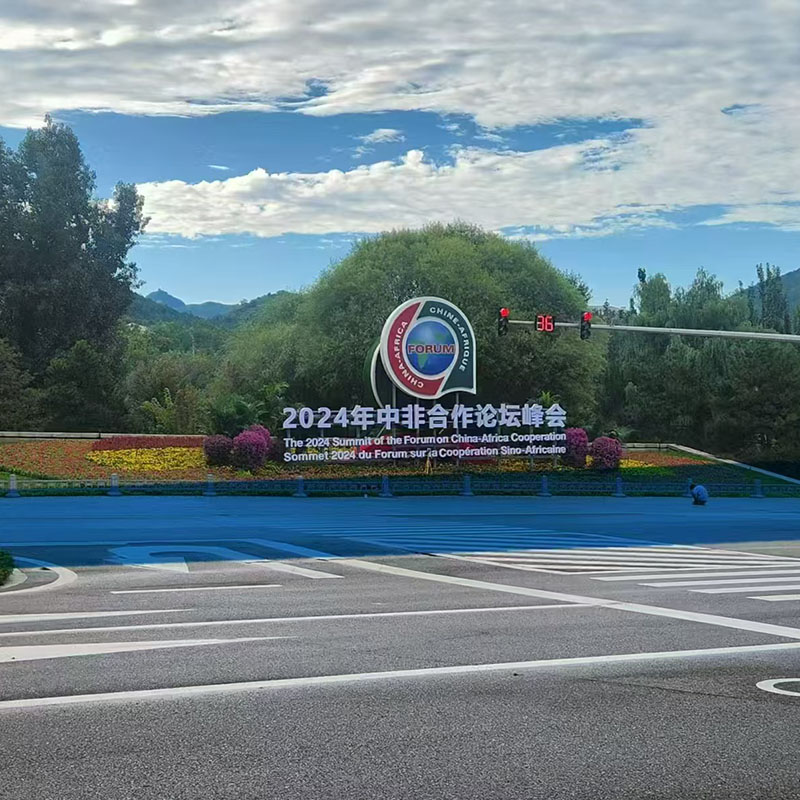
Vertical text decorative sculpture
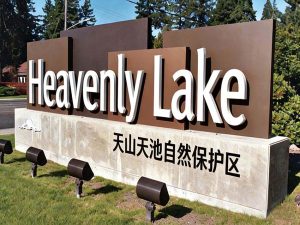
Weathering steel park gate
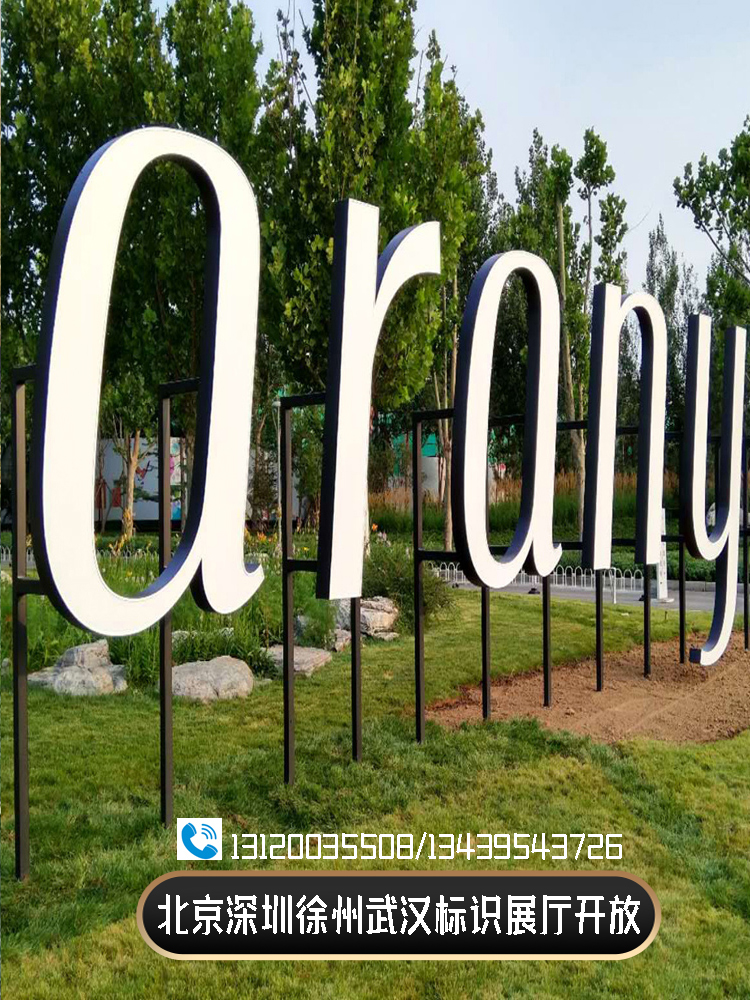
Large illuminated characters on the ground
ARTISTIC INSTALLATION
Artistic sculpture installations can be classified in several ways:
By material: Metal installations made from stainless steel, copper, or fiberglass are durable and have a distinctive texture. Wooden installations create a natural, warm atmosphere, while glass and ceramic works emphasize delicacy and lightness.
By approach: Figurative installations represent recognisable subjects; abstract installations express ideas and emotions through line, shape, and form; and symbolic installations capture the essence of a subject rather than its literal appearance.
By display space: Indoor installations are designed to complement their surroundings, while outdoor installations respond to natural and urban landscapes and often form part of a public art programme. Temporary installations are created for specific events or exhibitions and may be dismantled afterward.
THE VISUAL CLASSIFICATION OF SCULPTURES
The effects of sculpture installations can roughly be classified into the following categories:
### Visual Effects Categories
– **High-Impact Visuals**: These installations use large volumes, exaggerated forms, or strong colour contrasts to capture attention and create a memorable visual impact. For instance, some large-scale outdoor metal sculptures fall into this category.
– **Realistic Detail**: These works use precise craftsmanship to portray objects or figures in lifelike detail, creating an immersive, realistic experience.
– **Dreamlike and Fantastical Forms**: Unusual forms, unexpected colour combinations, and non-realistic spaces create dreamlike scenes that stimulate the imagination.
### Interactive Experience Effect Categories
– **Tactile Interaction**: These works invite visitors to touch them. Varied textures and surface treatments create a direct physical connection between the visitor and the artwork.
– **Behaviour-Triggered Interaction**: A visitor’s movement or sound can trigger changes such as flashing lights or moving mechanical parts, creating an engaging interactive experience.
### Emotional Atmosphere Creation Types
– **Warm and Restorative Atmospheres**: Gentle lines, warm colours, and emotionally rich themes create a calm, restorative atmosphere, as in installations inspired by family and animals.
– **Reflective and Inspirational Atmospheres**: Oblique themes and distinctive forms invite visitors to reflect on social and personal questions, creating a quiet, thoughtful atmosphere.
ABOUT THE INDUSTRY AND SHENGYILONG
The production of illuminated building sign letters usually involves several steps, including design, material selection, manufacturing and installation. Here is a detailed process:
### 1. Design
– **Font Selection**: Choose an appropriate font based on the brand or architectural style.
– **Size Determination**: Determine the font size based on the building’s size and viewing distance.
– **Color and Effects**: Select the luminous color and decide whether dynamic effects (such as gradient or flashing) are needed.
### 2. Material Selection
– **LED Lights**: LED lights are commonly used as the light source due to their energy efficiency, long lifespan, and high brightness.
– **Shell Materials**: Stainless steel, aluminum plates, and acrylic are frequently used. Stainless steel and aluminum plates are durable, while acrylic has good light transmittance.
– **Panel Materials**: Acrylic sheets are typically used for their uniform light transmission and variety of colors.
### 3. Production
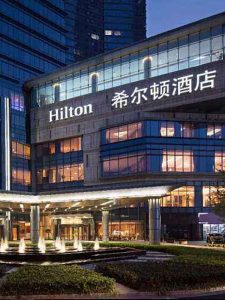
– **Production of letter casing**: Cut, weld and grind the letter casing according to the design drawings.
– **Installation of LED lights**: Evenly install LED lights inside the letter casing to ensure uniform light distribution.
– **Production of panels**: Cut acrylic sheets and fix them onto the letter casing.
### 4. Installation
– **Fixing the brackets**: Install the brackets on the building to ensure they are stable.
– **Connecting the circuit**: Connect the illuminated letters to the power supply to ensure the circuit is safe.
– **Testing**: After installation, test the illuminated effect to ensure uniform brightness.
### 5. Maintenance
– **Regular Inspection**: Regularly inspect the circuit and LED lights, and replace damaged parts in a timely manner.
– **Cleaning and Maintenance**: Regularly clean the surface to keep it looking good.
### Precautions
– **Safety**: Ensure the installation is secure and the circuit complies with safety standards.
– **Waterproof and Dustproof**: When used outdoors, make sure to take waterproof and dustproof measures.
– **Energy Conservation and Environmental Protection**: Choose energy-saving LED lights to reduce energy consumption.
By following these steps, building sign illuminated letters that meet the requirements can be produced.
The full name of Shengyi Long Company is “Beijing Shengyi Long International Sign Engineering Co., Ltd.” It has the qualification of an operator of foreign trade issued by the state and has opened a foreign exchange account.
In the Chinese mainland, we have provided processing and services for the real estate, scenic spots, hotels, medical care and other industries in many regions.
We have also cooperated with clients from the United States, the United Kingdom, Germany, Kazakhstan, Japan, Kenya, Australia, Taiwan and other regions.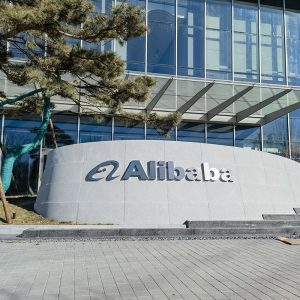
Robotics technology improves manufacturing by enhancing efficiency, precision and safety, while also reducing labor costs and minimizing repetitive work.
The robotics and signage industries are two distinct fields, but both have significant applications in modern industry. The following is a brief introduction to these two industries:
The robotics industry involves the design, manufacture, and application of robotic technology. Robots can be used in various fields, including manufacturing, healthcare, services, agriculture, and logistics. The development of robotic technology has greatly enhanced production efficiency, accuracy, and safety.
#### Main Application Areas:
1. **Industrial Robots**: Used for tasks such as assembly, welding, painting, and material handling on production lines.
2. **Service Robots**: Including household cleaning robots, medical care robots, and educational robots, etc.
3. **Specialized Robots**: Applied in hazardous environments, such as nuclear power plants, deep-sea exploration, and space exploration.
4. **Collaborative Robots (Cobots)**: Work alongside human workers to enhance production flexibility and safety.
#### Technology Trends:
– **Artificial Intelligence (AI)**: Endows robots with the ability to learn, make decisions, and adapt.
– **Internet of Things (IoT)**: Facilitates interconnection and data sharing among robots.
– **Machine Vision**: Enhances robots’ perception and recognition capabilities.
– **Soft Robotics**: Enables robots to handle more complex and delicate tasks.
The sign industry mainly involves the design, manufacture and installation of various signs for indication, guidance, advertising and information transmission. Signs are widely used in public places, commercial buildings, transportation systems, educational institutions, etc.
#### Main Types:
1. **Outdoor Signs**: Such as road signs, billboards, building signs, etc.
2. **Indoor Signs**: Such as office signs, shopping mall directional signs, exhibition display signs, etc.
3. **Traffic Signs**: Such as road direction signs, parking signs, traffic lights, etc.
4. **Electronic Signs**: Such as LED displays, digital billboards, etc.
#### Technology Trends:
– **Digitalization and Intelligence**: The widespread adoption of electronic signage and digital display technologies.
– **Eco-friendly Materials**: The use of sustainable and environmentally friendly materials in sign production.
– **Personalized Design**: Meeting the diverse needs of customers through customized design.
– **Interactive Technologies**: Such as touch screens, AR/VR technologies, to enhance user experience.
### Points of Convergence
In certain applications, the robotics and signage industries can converge. For instance:
– **Intelligent Tour Guide Robots**: By integrating robotics technology with electronic signage, they offer interactive tour guide services.
– **Automated Signage Installation**: Utilizing robots for the installation and maintenance of signage enhances efficiency and safety.
Both of these industries are constantly evolving and innovating, and there may be more cross-application and technological integration in the future.
AI is an artificial intelligence technology that can be integrated with the sign industry in various ways to promote its intelligence, digitalization, and efficiency. The following are several potential directions for the integration of DeepSeek technology with the sign industry:
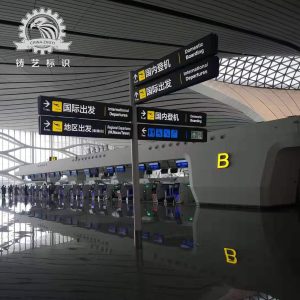
### 1. **Intelligent Design and Optimization**
– **AI-Assisted Design**: By leveraging DeepSeek’s AI technology, we develop intelligent design tools to assist designers in quickly generating signboard design proposals. By inputting requirements such as size, material, and style, the AI can automatically generate multiple design options for customers to choose from.
– **Personalized Customization**: Based on customer demand data, the AI can recommend personalized design elements (such as colors, fonts, and patterns), enhancing design efficiency.
—
### 2. **Intelligent Production and Process Optimization**
– **Automated Production**: By integrating AI and machine learning technologies, the production process of signboards is optimized, enabling automated cutting, engraving, printing, and other processes. This reduces labor costs and enhances production efficiency.
– **Quality Inspection**: Computer vision technology is employed to conduct real-time quality inspection of signboards during the production process, ensuring that the finished products meet the standards.
### 3. **Smart Installation and Maintenance**
– **AR-Assisted Installation**: By leveraging augmented reality (AR) technology, visual guidance is provided to installers to ensure the accuracy of the installation position and angle of the signboards.
– **Intelligent Maintenance Alerts**: Utilizing Internet of Things (IoT) and AI technologies, the status of the signboards (such as damage, fading, etc.) is monitored, and automatic alerts for maintenance or replacement are issued.
—
### 4. **Data Analysis and Market Insights**
– **Customer Demand Analysis**: By analyzing customers’ historical orders and preference data, AI can predict market demands, helping enterprises optimize their products and services.
– **Industry Trend Forecasting**: Utilizing big data analysis, it provides signboard enterprises with industry trend and competitive analysis, assisting them in formulating strategies.
—
### 5. **Intelligent Marketing and Customer Service**
– **Intelligent Customer Service**: By leveraging DeepSeek’s natural language processing (NLP) technology, an intelligent customer service system is developed to provide 24/7 consultation services to customers, addressing questions related to sign design, production, and installation.
– **Precision Marketing**: Through AI analysis of customer data, precision marketing is achieved, recommending suitable sign products and services to potential customers.
—
### 6. **Environmental Protection and Sustainable Development**
– **Material Optimization Suggestions**: AI can analyze the environmental performance of different materials, helping enterprises choose more eco-friendly materials and promoting sustainable development.
– **Waste Management**: By optimizing production processes through AI, material waste can be reduced and production costs lowered.
—
### 7. **Virtual Display and Experience**
– **Virtual Reality (VR) Display**: Utilizing VR technology, we offer customers a virtual display experience of signboards, allowing them to view the actual effect of the signboards in a virtual environment.
– **Online Customization Platform**: Develop an AI-based online customization platform where customers can adjust design parameters in real time and view the results, enhancing the user experience.
—
### 8. **Industry Training and Knowledge Sharing**
– **AI Training System**: Provide an AI-driven training system for professionals in the signboard industry to help them master the latest design, production, and management technologies.
– **Knowledge Base Construction**: Utilize AI technology to build an industry knowledge base, enabling enterprises to quickly access relevant technical and market information.
—
### Summary
DeepSeek’s AI technology can bring about a full-process intelligent upgrade for the signboard industry, from design, production to installation and maintenance, helping enterprises enhance efficiency, reduce costs, and improve customer experience. At the same time, it promotes the digital transformation and sustainable development of the industry. If you have specific needs or scenarios, we can further discuss how to customize and integrate DeepSeek’s technology.
The industry principles and charging standards for custom sign products vary depending on factors such as application scenarios, materials, processes, and design complexity. The following is an overview of the general principles and charging standards in the custom sign industry:
—
### Industry Principles
1. **Customer Needs First**
– Customized sign production prioritizes meeting customer needs, including functionality, aesthetics, and brand consistency.
– Designers must communicate thoroughly with customers to ensure that the design solutions meet their expectations.
2. **Quality Assurance**
– Sign production must comply with industry standards to ensure durability, clarity, and safety.
– Material selection, production processes, and installation procedures should all be strictly controlled.
3. **Environmental Protection and Sustainability**
– Prioritize the use of eco-friendly materials to minimize environmental impact.
– Consider energy conservation and recyclability in the design and production processes.
4. **Combining Innovation with Practicality**
– Integrate innovative elements into the design while ensuring the practicality and readability of the signs.
– Design appropriate signs for different scenarios (such as indoor, outdoor, and traffic).
5. **Compliance**
– Signage design must comply with relevant laws, regulations, and industry standards. For instance, traffic signs should conform to the national standard (GB/T 18833-2012).
– Signs used in public places should take into account barrier-free design to ensure that they are accessible to everyone.
—
### **Charging Standards**
The charging standards for customizing signs are usually based on the following factors:
#### 1. **Material Costs**
– The prices of different materials vary significantly. Common materials include:
– **Metals**: Stainless steel, aluminum sheets, copper, etc.
– **Plastics**: Acrylic, PVC, etc.
– **Wood**: Solid wood, density board, etc.
– **Glass**: Tempered glass, laminated glass, etc.
– **Electronic Materials**: LED displays, touch screens, etc.
– The choice of materials directly affects the cost. For instance, high-end metals or electronic materials are usually more expensive.
#### 2. **Design Costs**
– **Complexity of Design**: Simple text sign design costs less, while complex graphics, 3D effects, or customized designs cost more.
– **Designer’s Experience**: Senior designers usually charge more than junior designers.
– **Design Tools**: If high-end design software or special techniques (such as AR/VR design) are required, the cost may increase.
#### 3. **Manufacturing Process**
– **Printing Techniques**: Screen printing, UV printing, digital printing, etc.
– **Engraving Techniques**: Laser engraving, mechanical engraving, etc.
– **Surface Treatment**: Spray painting, electroplating, polishing, etc.
– **Assembly and Installation**: Complex structure signs may require additional assembly and installation fees.
#### 4. **Size and Quantity**
– **Size**: The larger the size of the sign, the more material is used and the higher the production cost.
– **Quantity**: Mass production usually reduces the unit price because fixed costs (such as design fees and mold fees) can be spread out.
#### 5. **Installation and Maintenance**
– **Installation Difficulty**: Installation at heights or in complex environments (such as underwater or high-temperature conditions) may increase costs.
– **Maintenance Services**: If regular maintenance or remote monitoring (such as for electronic signs) is required, additional fees may apply.
#### 6. **Additional Features**
– **Intelligent Functions**: Such as embedded sensors, LED lights, touch screens, etc., will increase costs.
– **Special Requirements**: Such as waterproof, fireproof, anti-corrosion and other special performance requirements.
—
### **Charging Model**
1. **Project-based Pricing**
– This is suitable for large or complex custom sign projects. Designers and manufacturers will provide an overall quote based on project requirements.
2. **Charging by Area**
– Applicable to flat signs, such as billboards and wall signs, etc., the cost is usually calculated per square meter.
3. **Per-piece Pricing**
– Applicable to small signs or batch production, such as doorplates, direction signs, etc.
4. **Design Fee + Production Fee**
– The design fee and production fee are calculated separately. The design fee is usually charged by the hour or per project, while the production fee is calculated based on materials and craftsmanship.
5. **Additional Service Fees**
– These include installation fees, transportation fees, maintenance fees, etc., and are usually quoted separately based on actual needs.
—
### **Examples of Price Ranges**
The following are the approximate price ranges for some common custom signboards (for reference only; actual prices may vary by region and supplier):
1. **Simple Door Signs**: 50 – 200 yuan per piece (Materials: Acrylic, Metal).
2. **Outdoor Advertising Boards**: 500 – 2000 yuan per square meter (Materials: Printed fabric, LED).
3. **Electronic Signboards**: 1000 – 5000 yuan per square meter (Material: LED display).
4. **High-End Custom Signboards**: Over 5000 yuan (Materials: Stainless steel, Copper; Processes: Engraving, Electroplating).
—
### **Summary**
The charging standards and principles in the custom sign industry vary depending on project requirements. When choosing a supplier, customers should comprehensively consider factors such as design, materials, craftsmanship, and installation. At the same time, selecting an experienced supplier can ensure the quality and compliance of the signs and prevent potential issues in the future.