
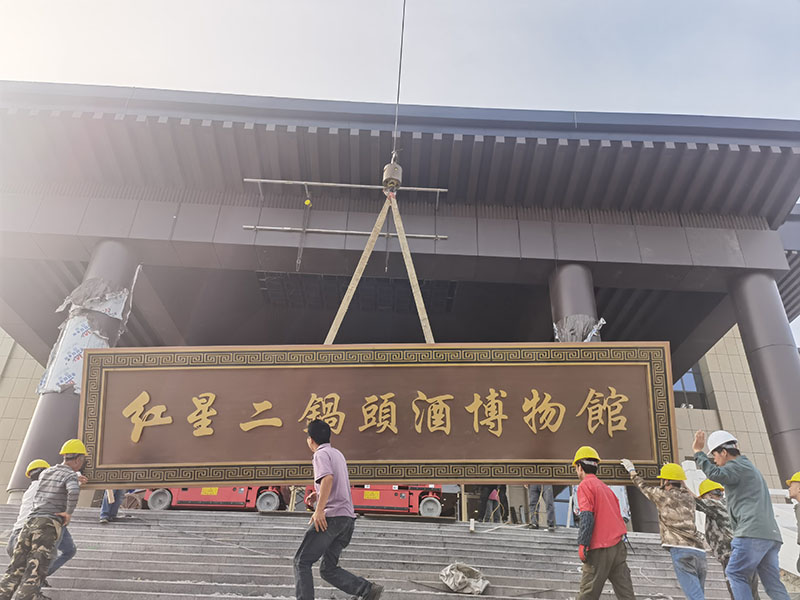
展厅设计搭建
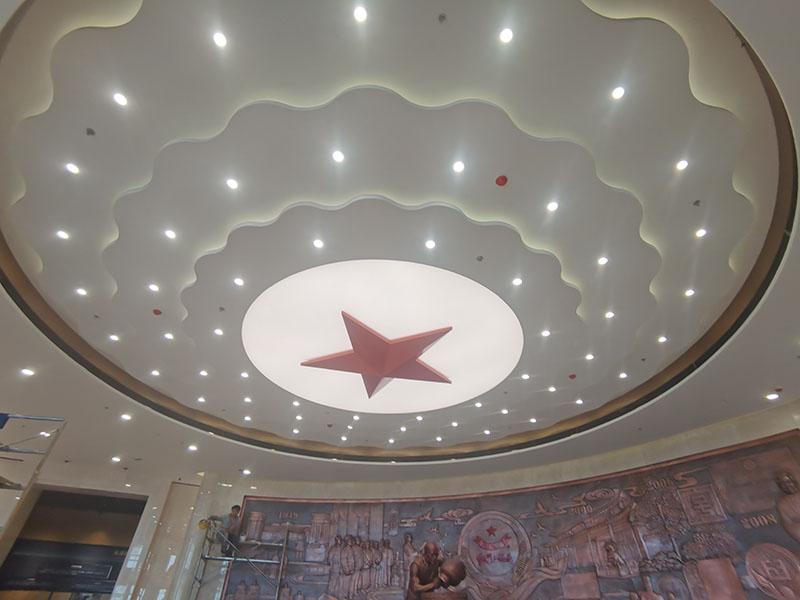
博物馆搭建
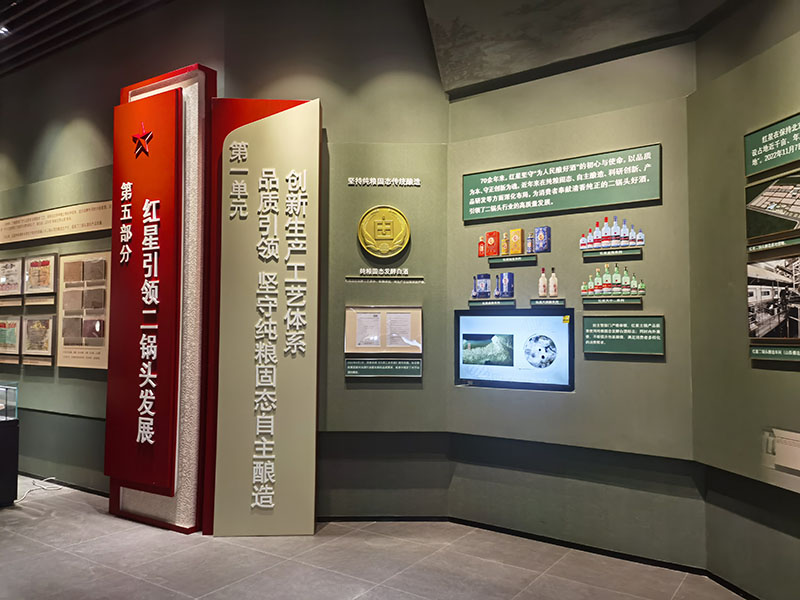
展陈装饰
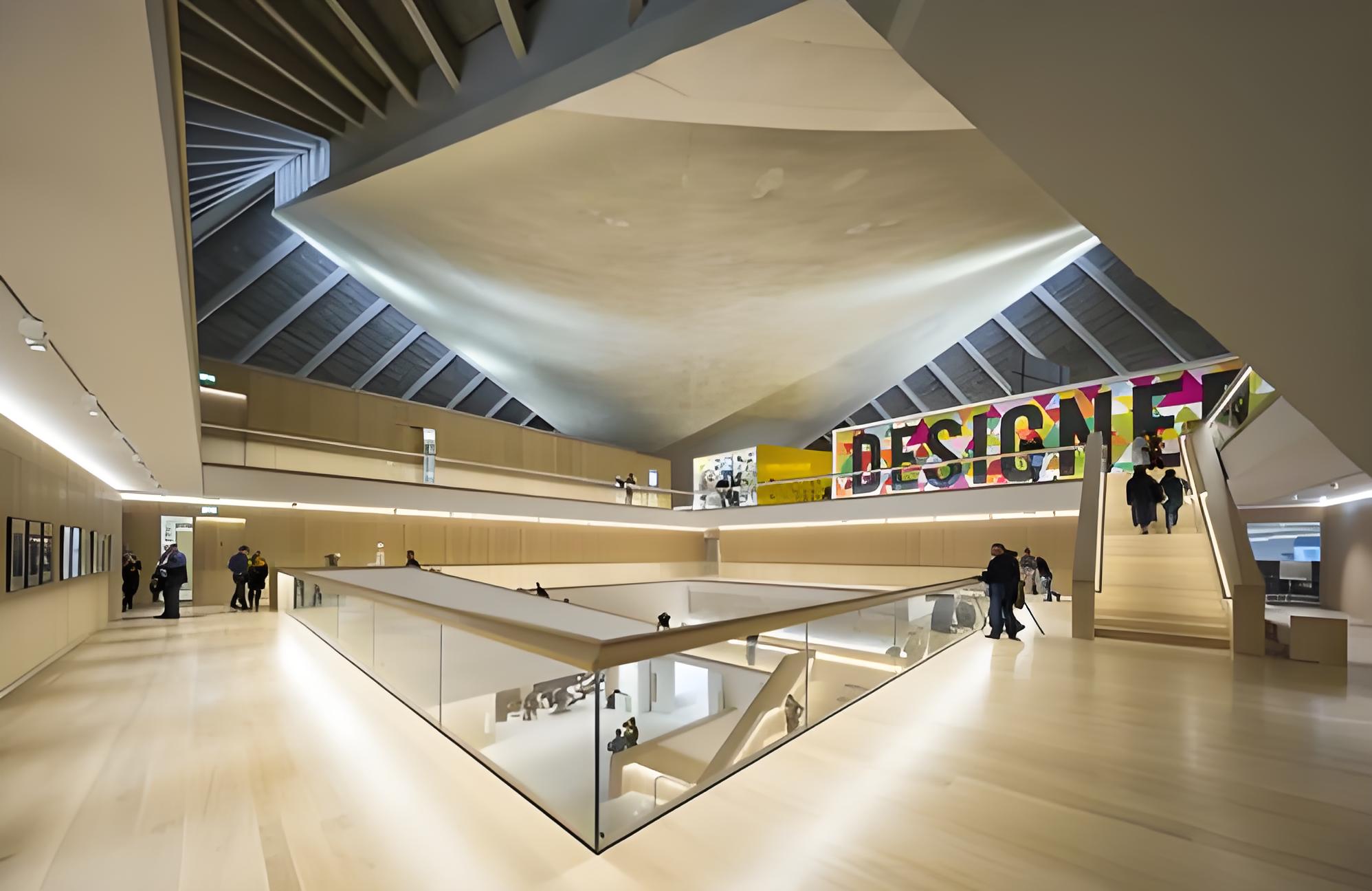
博物馆、展厅
设计搭建
设计、生产、搭建、服务
展厅展馆设计与搭建
### 展厅搭建的设计
展厅设计要明确主题,围绕展示内容核心,通过空间规划、色彩搭配、灯光设计等手段营造独特氛围。空间布局需合理,设置参观流线,确保观众能有序浏览。色彩选择要契合品牌形象或展示主题,以增强视觉吸引力。灯光运用要巧妙,突出重点展品,营造层次感。同时,融入多媒体元素,如电子屏、互动装置等,提升观众参与度与体验感。
### 展厅搭建的施工
施工前要做好充分准备,熟悉设计图纸,准备好所需材料和工具。施工过程严格按照规范进行,确保结构安全稳固。基础框架搭建要精准,墙面、地面处理要平整。对于展示道具的安装,要保证位置准确、安装牢固。在电气安装方面,注意线路铺设安全,确保用电设备正常运行。施工中还要注重细节,如边角处理要光滑,避免划伤观众。完成后进行全面检查,对发现的问题及时整改,保证展厅以最佳状态呈现。
展馆展厅的防火要求
展厅材料防火要求严格。墙面材料应选用不燃或难燃的,如防火石膏板等,避免使用易燃的化纤织物。地面可采用防火地板、不燃地毯等。吊顶部分,优先选择轻钢龙骨搭配防火板材。电气线路要穿阻燃管保护,防止漏电引发火灾。装饰材料尽量选阻燃性好的,从源头降低火灾风险,保障参观者安全与展厅安全。
找到我们给您包办
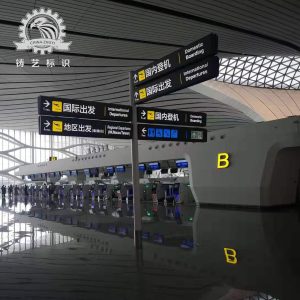
The Functions and Classification of Public Transport Station Signage and Guidance Systems

The so-called public transportation signs, including the airport, railway station and subway sign guidance systems, have the function of identification and indication. This function has two layers of meaning: one is the actual indication meaning, which points out the location, direction, road and behavioral momentum, such as the entrance of the place, the restroom, the parking lot, etc.; the other is the psychological identification of the wayfinder, that is, the form, shape, texture and placement of the guidance system design should reflect the cultural or regional context.
According to the first meaning of the communication function, the design of the subway sign guidance system can be divided into five major types: identification, direction, space, explanation and restriction.
Identification of wayfinding system design.
The identification wayfinding system design refers to the design that indicates where one is or what something is, mainly including designs aimed at distinction. For instance, landmark buildings, murals, sculptures, restrooms, and parking lots, etc.
2. Directional signage system design.
Directional signage system design mainly refers to the design of route signs that guide to specific places and facilities through indicators such as arrows. This type of design aims to guide the direction of passage and is suitable for situations where direct guidance to the destination is needed. For example: road signs, billboards and arrows, etc.
3. Spatial wayfinding system design.
The design of spatial wayfinding systems refers to the design that visually or tactilely represents positional relationships through maps or graphics. It is based on the principle of comprehensive guidance, allowing users to grasp the overall structure and selectively utilize spatial position information to guide them to their destinations.
4. Explain the design of the wayfinding system.
Wayfinding systems are typically found in environments prone to ambiguity or designed to explain situations, serving the functions of conveying the intentions of managers and the content of facilities. To more accurately explain ambiguity or situations, such wayfinding systems are often designed in the form of articles.
5. Management of wayfinding system design.
Management wayfinding system design refers to the design aimed at indicating legal and administrative regulations. Generally, it mainly represents items that require attention, and performs the function of urging people to pay attention to safety and abide by the order.
The industry principles and charging standards for custom sign products vary depending on factors such as application scenarios, materials, processes, and design complexity. The following is an overview of the general principles and charging standards in the custom sign industry:
—
### Industry Principles
1. **Customer Needs First**
– Customized sign production prioritizes meeting customer needs, including functionality, aesthetics, and brand consistency.
– Designers must communicate thoroughly with customers to ensure that the design solutions meet their expectations.
2. **Quality Assurance**
– Sign production must comply with industry standards to ensure durability, clarity, and safety.
– Material selection, production processes, and installation procedures should all be strictly controlled.
3. **Environmental Protection and Sustainability**
– Prioritize the use of eco-friendly materials to minimize environmental impact.
– Consider energy conservation and recyclability in the design and production processes.
4. **Combining Innovation with Practicality**
– Integrate innovative elements into the design while ensuring the practicality and readability of the signs.
– Design appropriate signs for different scenarios (such as indoor, outdoor, and traffic).
5. **Compliance**
– Signage design must comply with relevant laws, regulations, and industry standards. For instance, traffic signs should conform to the national standard (GB/T 18833-2012).
– Signs used in public places should take into account barrier-free design to ensure that they are accessible to everyone.
—
### **Charging Standards**
The charging standards for customizing signs are usually based on the following factors:
#### 1. **Material Costs**
– The prices of different materials vary significantly. Common materials include:
– **Metals**: Stainless steel, aluminum sheets, copper, etc.
– **Plastics**: Acrylic, PVC, etc.
– **Wood**: Solid wood, density board, etc.
– **Glass**: Tempered glass, laminated glass, etc.
– **Electronic Materials**: LED displays, touch screens, etc.
– The choice of materials directly affects the cost. For instance, high-end metals or electronic materials are usually more expensive.
#### 2. **Design Costs**
– **Complexity of Design**: Simple text sign design costs less, while complex graphics, 3D effects, or customized designs cost more.
– **Designer’s Experience**: Senior designers usually charge more than junior designers.
– **Design Tools**: If high-end design software or special techniques (such as AR/VR design) are required, the cost may increase.
#### 3. **Manufacturing Process**
– **Printing Techniques**: Screen printing, UV printing, digital printing, etc.
– **Engraving Techniques**: Laser engraving, mechanical engraving, etc.
– **Surface Treatment**: Spray painting, electroplating, polishing, etc.
– **Assembly and Installation**: Complex structure signs may require additional assembly and installation fees.
#### 4. **Size and Quantity**
– **Size**: The larger the size of the sign, the more material is used and the higher the production cost.
– **Quantity**: Mass production usually reduces the unit price because fixed costs (such as design fees and mold fees) can be spread out.
#### 5. **Installation and Maintenance**
– **Installation Difficulty**: Installation at heights or in complex environments (such as underwater or high-temperature conditions) may increase costs.
– **Maintenance Services**: If regular maintenance or remote monitoring (such as for electronic signs) is required, additional fees may apply.
#### 6. **Additional Features**
– **Intelligent Functions**: Such as embedded sensors, LED lights, touch screens, etc., will increase costs.
– **Special Requirements**: Such as waterproof, fireproof, anti-corrosion and other special performance requirements.
—
### **Charging Model**
1. **Project-based Pricing**
– This is suitable for large or complex custom sign projects. Designers and manufacturers will provide an overall quote based on project requirements.
2. **Charging by Area**
– Applicable to flat signs, such as billboards and wall signs, etc., the cost is usually calculated per square meter.
3. **Per-piece Pricing**
– Applicable to small signs or batch production, such as doorplates, direction signs, etc.
4. **Design Fee + Production Fee**
– The design fee and production fee are calculated separately. The design fee is usually charged by the hour or per project, while the production fee is calculated based on materials and craftsmanship.
5. **Additional Service Fees**
– These include installation fees, transportation fees, maintenance fees, etc., and are usually quoted separately based on actual needs.
—
### **Examples of Price Ranges**
The following are the approximate price ranges for some common custom signboards (for reference only; actual prices may vary by region and supplier):
1. **Simple Door Signs**: 50 – 200 yuan per piece (Materials: Acrylic, Metal).
2. **Outdoor Advertising Boards**: 500 – 2000 yuan per square meter (Materials: Printed fabric, LED).
3. **Electronic Signboards**: 1000 – 5000 yuan per square meter (Material: LED display).
4. **High-End Custom Signboards**: Over 5000 yuan (Materials: Stainless steel, Copper; Processes: Engraving, Electroplating).
—
### **Summary**
The charging standards and principles in the custom sign industry vary depending on project requirements. When choosing a supplier, customers should comprehensively consider factors such as design, materials, craftsmanship, and installation. At the same time, selecting an experienced supplier can ensure the quality and compliance of the signs and prevent potential issues in the future.
Robotics technology improves manufacturing by enhancing efficiency, precision and safety, while also reducing labor costs and minimizing repetitive work.
The robotics and signage industries are two distinct fields, but both have significant applications in modern industry. The following is a brief introduction to these two industries:
The robotics industry involves the design, manufacture, and application of robotic technology. Robots can be used in various fields, including manufacturing, healthcare, services, agriculture, and logistics. The development of robotic technology has greatly enhanced production efficiency, accuracy, and safety.
#### Main Application Areas:
1. **Industrial Robots**: Used for tasks such as assembly, welding, painting, and material handling on production lines.
2. **Service Robots**: Including household cleaning robots, medical care robots, and educational robots, etc.
3. **Specialized Robots**: Applied in hazardous environments, such as nuclear power plants, deep-sea exploration, and space exploration.
4. **Collaborative Robots (Cobots)**: Work alongside human workers to enhance production flexibility and safety.
#### Technology Trends:
– **Artificial Intelligence (AI)**: Endows robots with the ability to learn, make decisions, and adapt.
– **Internet of Things (IoT)**: Facilitates interconnection and data sharing among robots.
– **Machine Vision**: Enhances robots’ perception and recognition capabilities.
– **Soft Robotics**: Enables robots to handle more complex and delicate tasks.
The sign industry mainly involves the design, manufacture and installation of various signs for indication, guidance, advertising and information transmission. Signs are widely used in public places, commercial buildings, transportation systems, educational institutions, etc.
#### Main Types:
1. **Outdoor Signs**: Such as road signs, billboards, building signs, etc.
2. **Indoor Signs**: Such as office signs, shopping mall directional signs, exhibition display signs, etc.
3. **Traffic Signs**: Such as road direction signs, parking signs, traffic lights, etc.
4. **Electronic Signs**: Such as LED displays, digital billboards, etc.
#### Technology Trends:
– **Digitalization and Intelligence**: The widespread adoption of electronic signage and digital display technologies.
– **Eco-friendly Materials**: The use of sustainable and environmentally friendly materials in sign production.
– **Personalized Design**: Meeting the diverse needs of customers through customized design.
– **Interactive Technologies**: Such as touch screens, AR/VR technologies, to enhance user experience.
### Points of Convergence
In certain applications, the robotics and signage industries can converge. For instance:
– **Intelligent Tour Guide Robots**: By integrating robotics technology with electronic signage, they offer interactive tour guide services.
– **Automated Signage Installation**: Utilizing robots for the installation and maintenance of signage enhances efficiency and safety.
Both of these industries are constantly evolving and innovating, and there may be more cross-application and technological integration in the future.
The process of customizing signboards usually includes the following steps:
### 1. **Requirement Communication**
– **Clarify the Purpose**: Determine the purpose of the sign (such as directional signs, warning signs, advertising signs, etc.).
– **Size and Material**: Select the appropriate size and material (such as metal, acrylic, PVC, etc.) based on the installation environment and budget.
– **Design Style**: Determine the design style, color, font, etc., to ensure coordination with the brand or environment.
### 2. **Design Phase**
– **Initial Design**: The designer provides an initial plan based on the requirements.
– **Feedback and Revision**: The client offers revision suggestions, and the designer makes adjustments.
– **Design Confirmation**: The client finally confirms the design plan.
### 3. **Production Stage**
– **Material Procurement**: Purchase the required materials based on the design.
– **Production Processing**: Carry out processes such as cutting, engraving, printing, and spray painting.
– **Quality Inspection**: Ensure that the finished products meet the design requirements and quality standards.
### 4. **Installation Phase**
– **Site Survey**: Confirm the installation location and environment.
– **Installation Work**: Install according to the on-site conditions, ensuring it is secure and aesthetically pleasing.
– **Acceptance**: The customer conducts the acceptance inspection. Once confirmed to be correct, the delivery is completed.
### 5. **After-sales Service**
– **Maintenance and Care**: Provide maintenance suggestions to ensure the long-term use of the signboards.
– **Problem Resolution**: In case of quality issues, promptly offer solutions.
### Notes
– **Time Management**: Plan ahead to ensure timely completion.
– **Budget Control**: Select appropriate materials and processes within the budget.
– **Compliance**: Ensure that the signboards comply with relevant regulations and standards.
Through the above process, it can be ensured that each link from the design to the installation of the signboard is effectively controlled, and ultimately the customer’s requirements are met.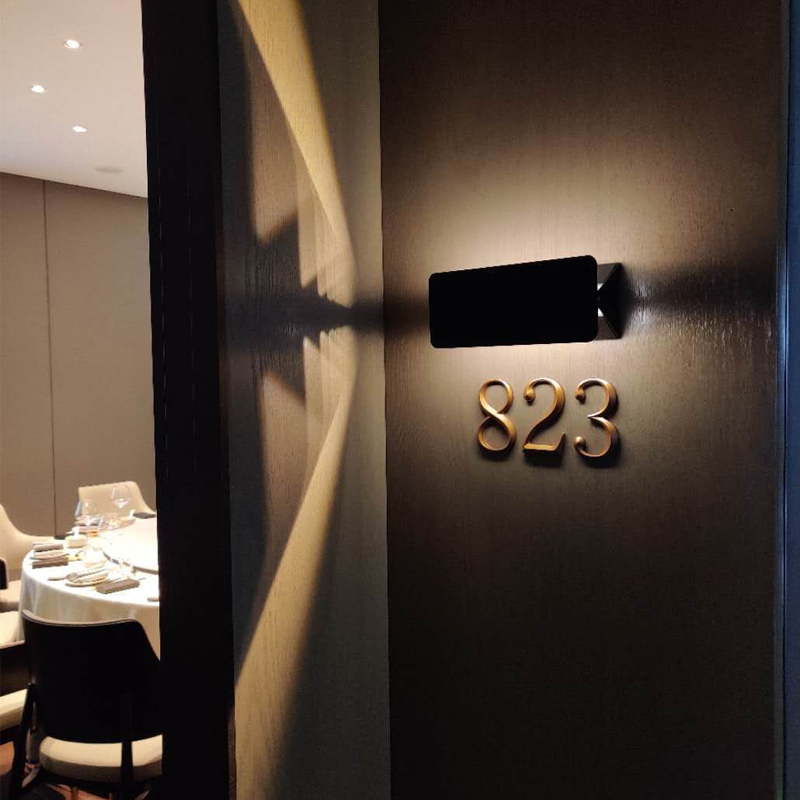
AI is an artificial intelligence technology that can be integrated with the sign industry in various ways to promote its intelligence, digitalization, and efficiency. The following are several potential directions for the integration of DeepSeek technology with the sign industry:
### 1. **Intelligent Design and Optimization**
– **AI-Assisted Design**: By leveraging DeepSeek’s AI technology, we develop intelligent design tools to assist designers in quickly generating signboard design proposals. By inputting requirements such as size, material, and style, the AI can automatically generate multiple design options for customers to choose from.
– **Personalized Customization**: Based on customer demand data, the AI can recommend personalized design elements (such as colors, fonts, and patterns), enhancing design efficiency.
—
### 2. **Intelligent Production and Process Optimization**
– **Automated Production**: By integrating AI and machine learning technologies, the production process of signboards is optimized, enabling automated cutting, engraving, printing, and other processes. This reduces labor costs and enhances production efficiency.
– **Quality Inspection**: Computer vision technology is employed to conduct real-time quality inspection of signboards during the production process, ensuring that the finished products meet the standards.
### 3. **Smart Installation and Maintenance**
– **AR-Assisted Installation**: By leveraging augmented reality (AR) technology, visual guidance is provided to installers to ensure the accuracy of the installation position and angle of the signboards.
– **Intelligent Maintenance Alerts**: Utilizing Internet of Things (IoT) and AI technologies, the status of the signboards (such as damage, fading, etc.) is monitored, and automatic alerts for maintenance or replacement are issued.
—
### 4. **Data Analysis and Market Insights**
– **Customer Demand Analysis**: By analyzing customers’ historical orders and preference data, AI can predict market demands, helping enterprises optimize their products and services.
– **Industry Trend Forecasting**: Utilizing big data analysis, it provides signboard enterprises with industry trend and competitive analysis, assisting them in formulating strategies.
—
### 5. **Intelligent Marketing and Customer Service**
– **Intelligent Customer Service**: By leveraging DeepSeek’s natural language processing (NLP) technology, an intelligent customer service system is developed to provide 24/7 consultation services to customers, addressing questions related to sign design, production, and installation.
– **Precision Marketing**: Through AI analysis of customer data, precision marketing is achieved, recommending suitable sign products and services to potential customers.
—
### 6. **Environmental Protection and Sustainable Development**
– **Material Optimization Suggestions**: AI can analyze the environmental performance of different materials, helping enterprises choose more eco-friendly materials and promoting sustainable development.
– **Waste Management**: By optimizing production processes through AI, material waste can be reduced and production costs lowered.
—
### 7. **Virtual Display and Experience**
– **Virtual Reality (VR) Display**: Utilizing VR technology, we offer customers a virtual display experience of signboards, allowing them to view the actual effect of the signboards in a virtual environment.
– **Online Customization Platform**: Develop an AI-based online customization platform where customers can adjust design parameters in real time and view the results, enhancing the user experience.
—
### 8. **Industry Training and Knowledge Sharing**
– **AI Training System**: Provide an AI-driven training system for professionals in the signboard industry to help them master the latest design, production, and management technologies.
– **Knowledge Base Construction**: Utilize AI technology to build an industry knowledge base, enabling enterprises to quickly access relevant technical and market information.
—
### Summary
DeepSeek’s AI technology can bring about a full-process intelligent upgrade for the signboard industry, from design, production to installation and maintenance, helping enterprises enhance efficiency, reduce costs, and improve customer experience. At the same time, it promotes the digital transformation and sustainable development of the industry. If you have specific needs or scenarios, we can further discuss how to customize and integrate DeepSeek’s technology.