

Design and engineering
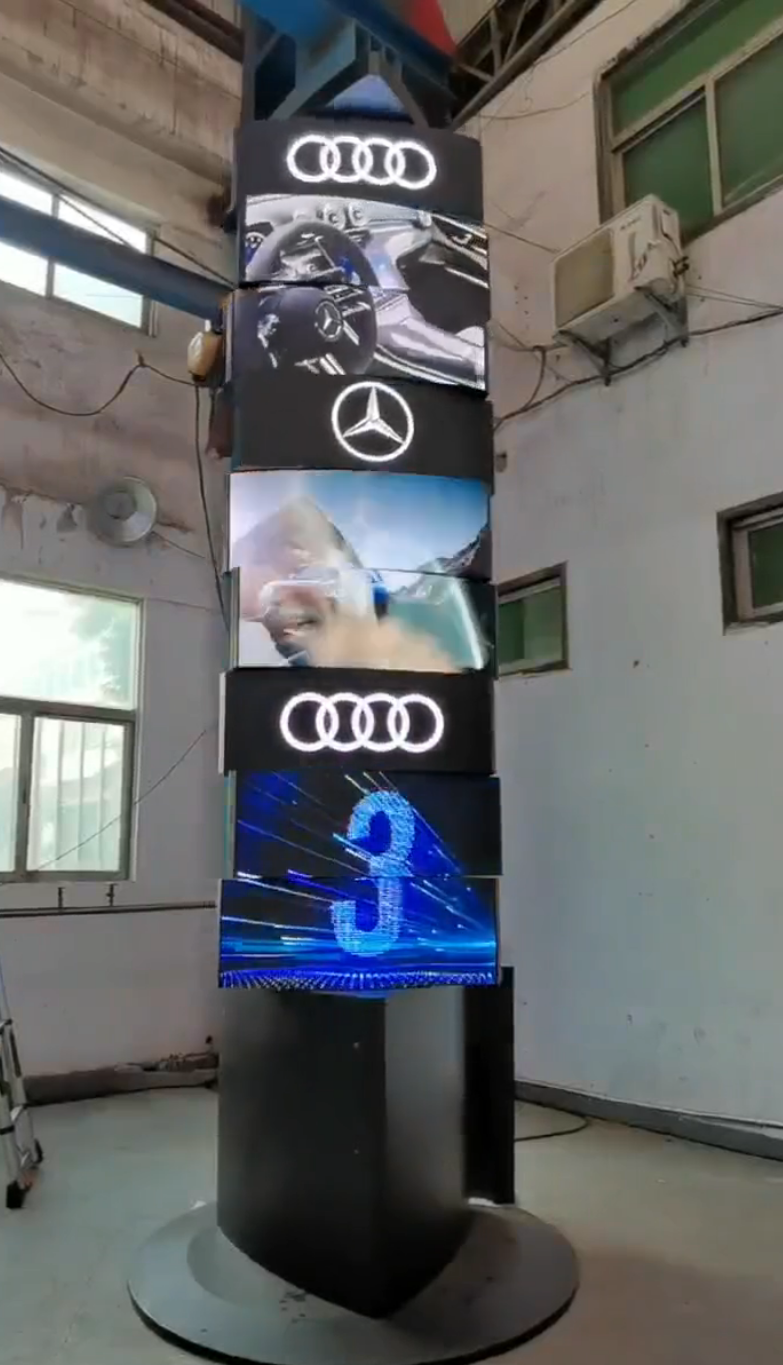
Integrated LED Wayfinding
It can be customized as a rotating LED display that creates a strong visual impact.
Top Quality
We use high-quality materials and skilled craftsmanship to deliver results you can rely on.
Stylish Modern
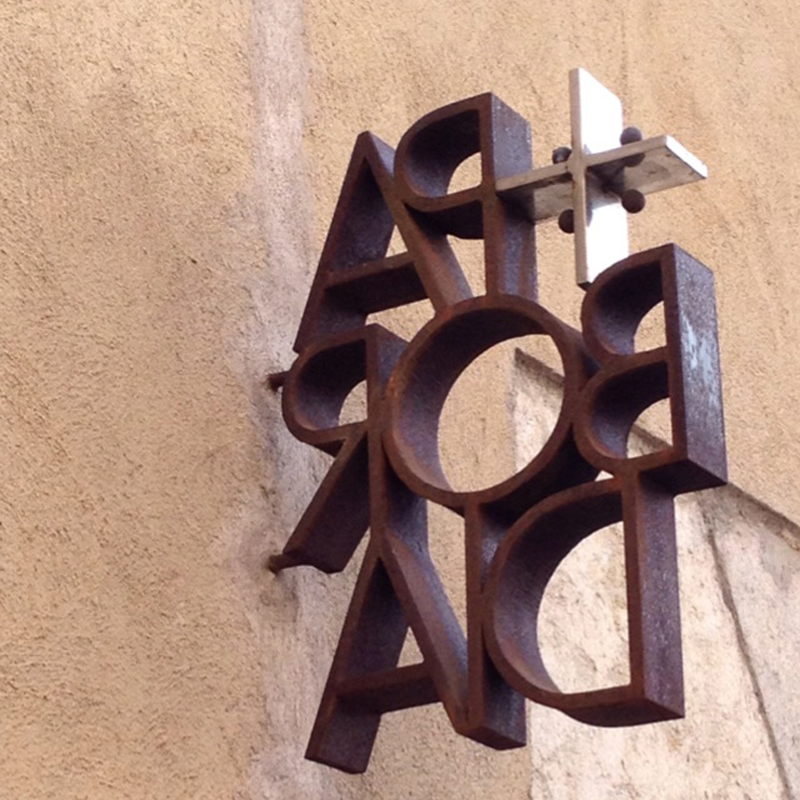
Systematic design and years of experience give each logo a clear, memorable presence.
Services
You just imagine it, and we will make it happen.
Urban Furniture Design
Our concept and detail design teams draw on years of experience to create the result you want.
Signage Manufacture
The factory has a production area of 4,000 square meters, equipped with all kinds of equipment such as laser machines, slotting machines, welding machines, and paint curing rooms.
Interior Design
1. Navigation System and Information Classification (Functional Core)
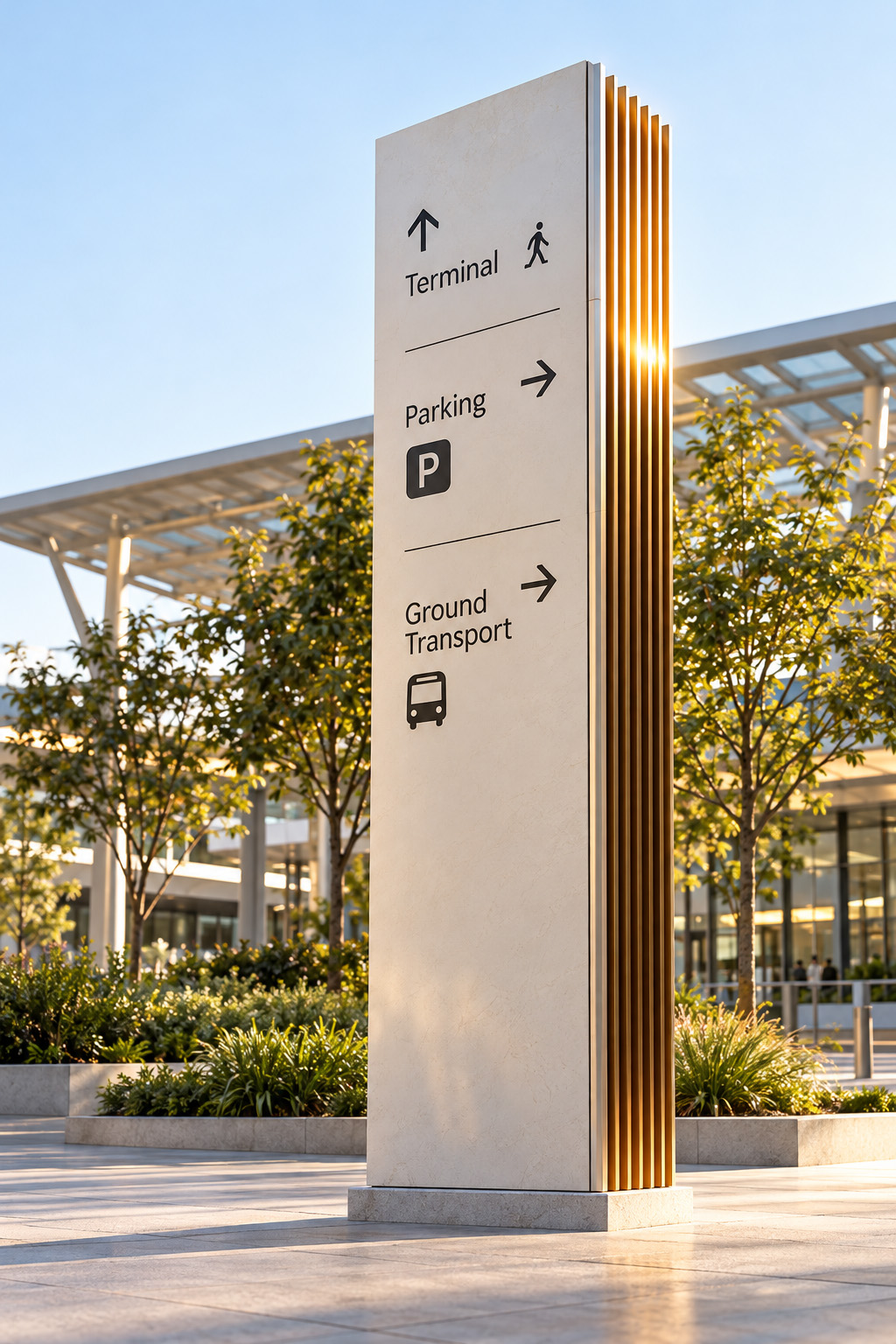
– Signs are classified into five categories based on function:Direction Guidance (indicating directions) →Floor Indexing (floor level index, floor plan) → Identification (room / area names) → Information (descriptions, announcements) → Control** (safety, prohibitions).
– Navigation forms a continuous chain: Entrance → Decision Points (diversion points, elevator lobbies) → Path Confirmation Points → Destination, any break in this chain will cause people to get lost.
– Hierarchical Design: Level 1 – Overall Index → Level 2 – Path Guidance → Level 3 – Room Identification, progressing layer by layer.
2. Information Content and Levels
– Clearly distinguish between primary and secondary information: place the destination name first (primary information), then the auxiliary description (secondary information).
– Keep the text concise and use consistent language throughout the building; handle multiple languages by prioritizing.
– Control the amount of information: a single directional sign should generally not exceed 3 to 5 destinations; excessive information will make it impossible for people to read.
3. Ergonomics and Readability (Most Easily Ignored)
– Increase the font height as the viewing distance increases (reference: approximately every 10 meters of viewing distance, the font height should be no less than 80-100mm).
– Installation height: 2.2 meters or above for hanging signs; 1.4-1.7 meters for wall-mounted signs; also include floor-standing and ground-mounted types.
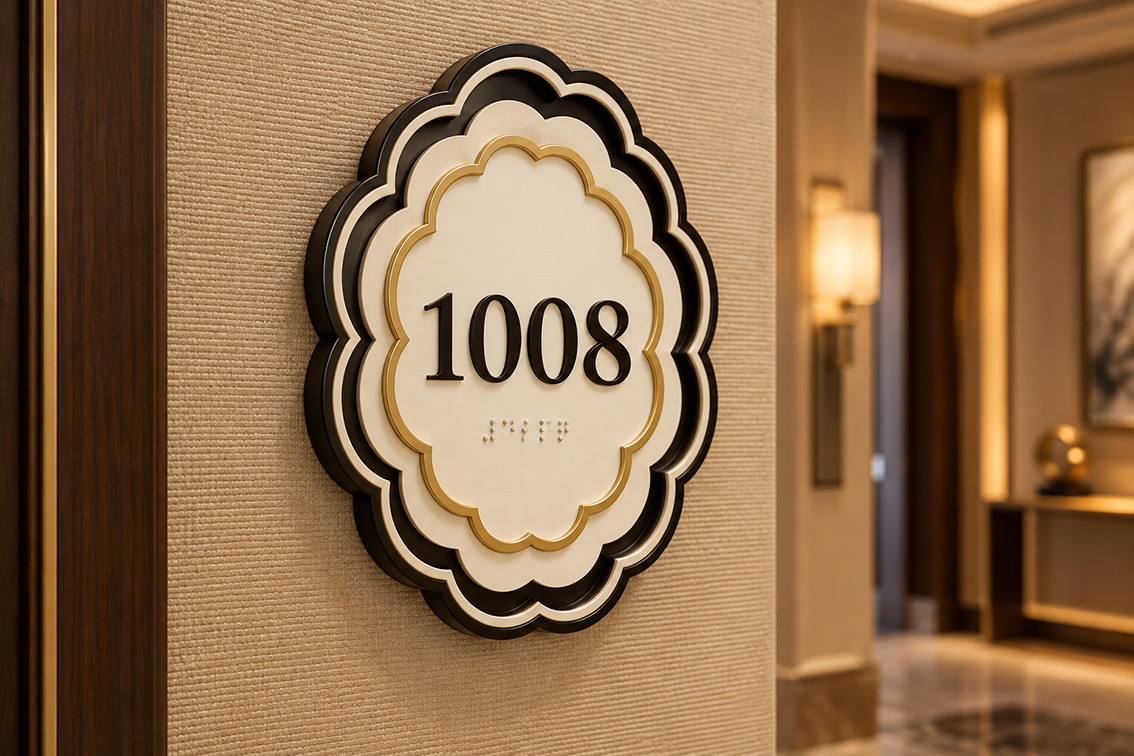
– Accessibility: make blind text and tactile signs in accordance with GB 50763; ensure anti-glare and contrast between background and text.
4. Visual System and Brand Consistency
– Uniformity in font, color, and layout throughout the building; clear division of brand color + functional color (safety color, direction color).
– Use international standard graphic symbols (ISO 7001); ensure consistent directionality of arrow symbols.
– Uniform material texture, coordinating the sign with the building decoration or creating a clear contrast.
5. Material Technology and Durability
– Common materials: acrylic, metal (aluminum / stainless steel), stone, wood; lighting types (LED backlighting, neon).
– Common techniques: silk printing, UV printing, laser engraving / CNC, corrosion, painting.
– Focus on weather resistance, scratch resistance, easy cleaning, anti-fingerprint properties, and convenience for later replacement and maintenance (modular design is better).
6. Spatial Environment and Safety Compliance**
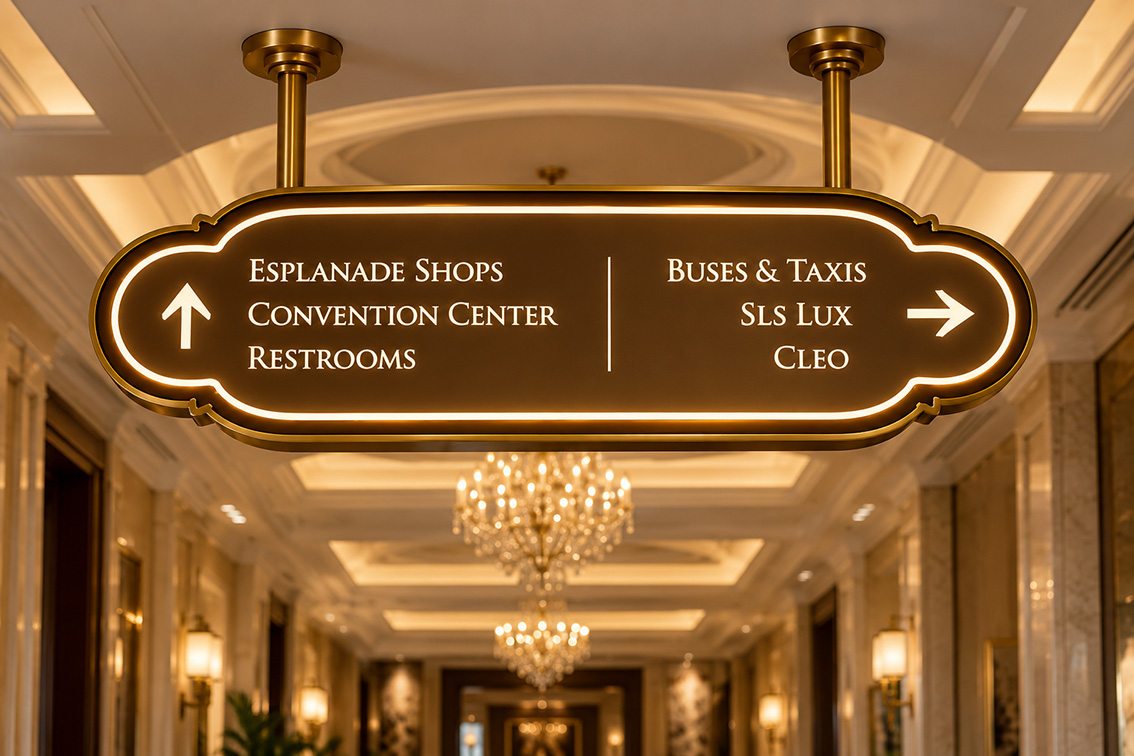
– Use illuminated or backlit signs in dark environments / lobbies and other scenarios; the scale should match the space (for example, for distant viewing in the hall, for close viewing in the corridor).
Outdoor Sign Design
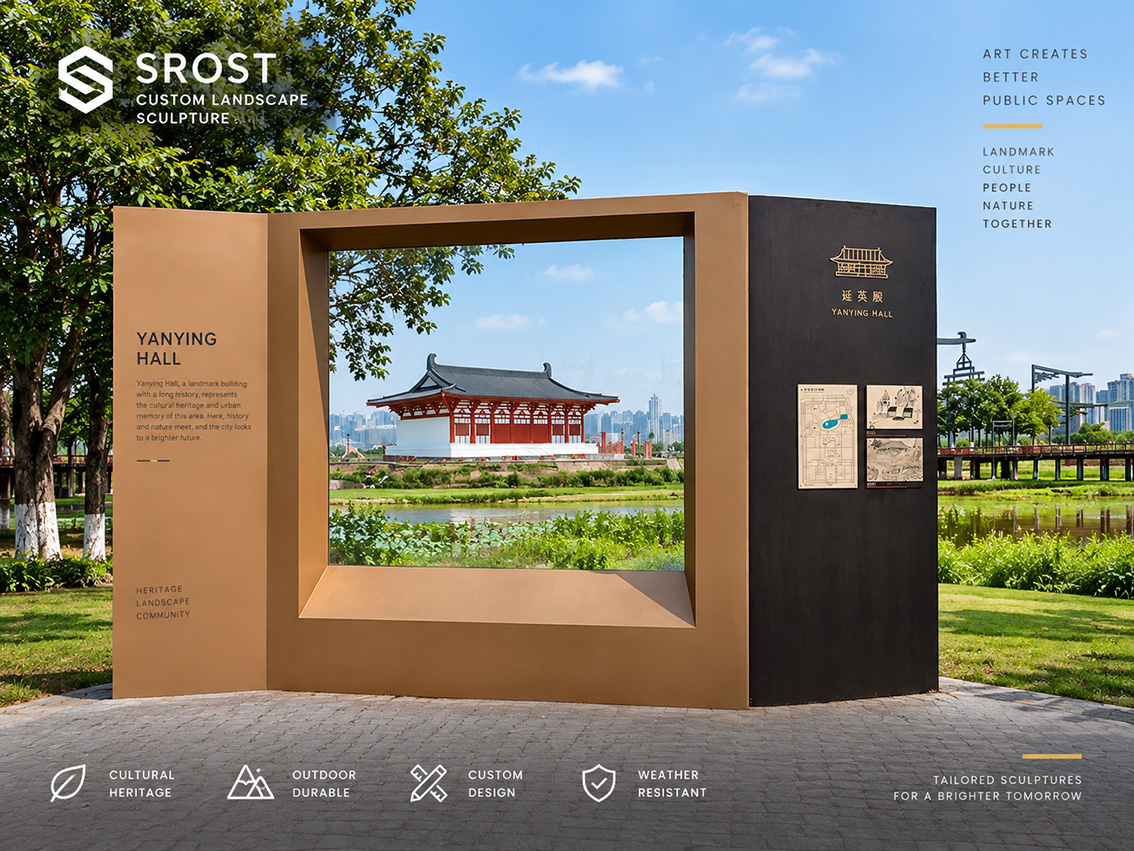
1. Visibility and Scale – “Visible” This is the top priority. The size of the sign is determined by the viewing distance: the height of the characters (mm) is approximately 1/250 to 1/300 of the viewing distance (m), that is, for a distance of 60 meters, the characters should be clearly visible, with a minimum height of 20 cm. At the same time, the information should be concise – pedestrians and drivers only have a few seconds to scan, and the layout should be controlled within 3 to 7 seconds to be able to read, prioritizing the most important information.
2. Location and Flow – “Placed Right” Avoid obstructions in the line of sight (trees, utility poles, buildings); determine the height and orientation based on the viewing method: for vehicle signs (15-30° horizontal slanting, fast reading of large characters), for pedestrian signs (horizontal height of 1.4-1.7m), for ground signs (from a downward perspective, the font should be elongated to correct the perspective distortion).
3. Materials and Durability – “Lasts Long” Outdoor signs need to withstand UV fading, temperature differences, rain, and coastal salt spray. Common combinations: stainless steel / aluminum plate + electrostatic powder coating or weather-resistant ink, acrylic panel, stone / cast aluminum (ground type). In terms of structure, wind load and anchoring should be calculated to prevent loosening, tipping, and edge warping.
4. Day and Night Visibility – “Effective Day and Night” Choose one or a combination of night lighting options: illuminated characters / light boxes (internal lighting), wall washer lights (external lighting), reflective or luminescent materials. Ground signs commonly use luminescent (night light) stone materials or reflective strips. Even in rainy or foggy weather, the identification should remain clear.
5. Compliance and Safety – “No Trouble” Pay attention to the prohibition of extreme language in advertising laws (“most”, “first”, “only”): outdoor advertising settings must comply with urban management / setting permission regulations; fire protection, warning signs must follow national standards; fonts and patterns have copyrights; installation should prevent falling, tripping, and tripping.
6. Maintenance and Economy – “Easy to Maintain” The initial cost vs. the total life cycle cost should be calculated together. Select easy-to-clean (anti-graffiti coating), modular replaceable (lamps, panels can be replaced separately) solutions. The maintenance cost often turns out to be more worth controlling than the initial installation cost.
Bespoke Design
Creating spaces that enhance the human experience
A comfortable environment enables people to relax both physically and mentally. Every detail is designed to achieve this goal.
Stay in touch
Talk to our design team
Everything begins with communication.