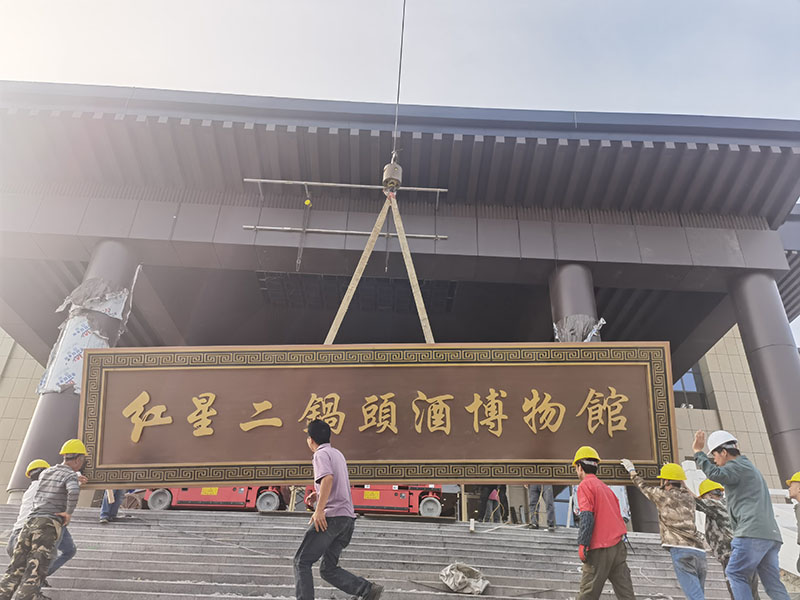
展厅设计搭建
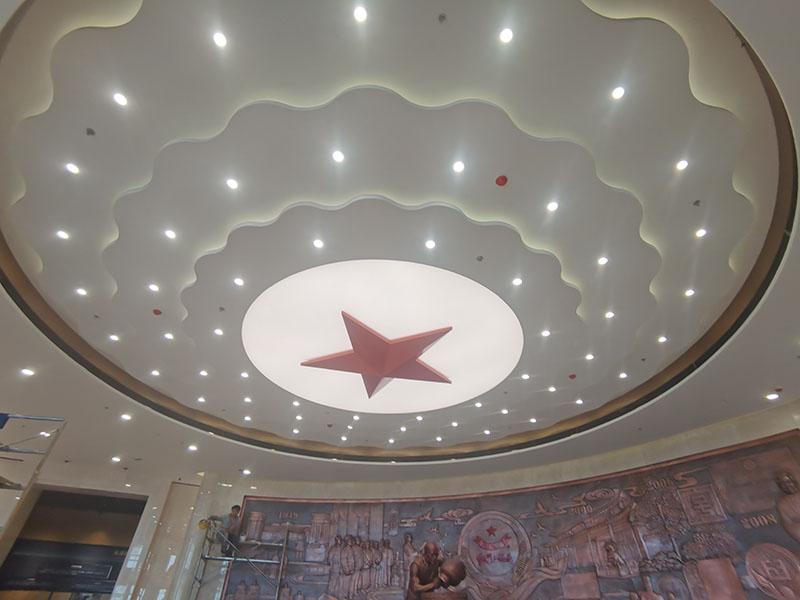
博物馆搭建
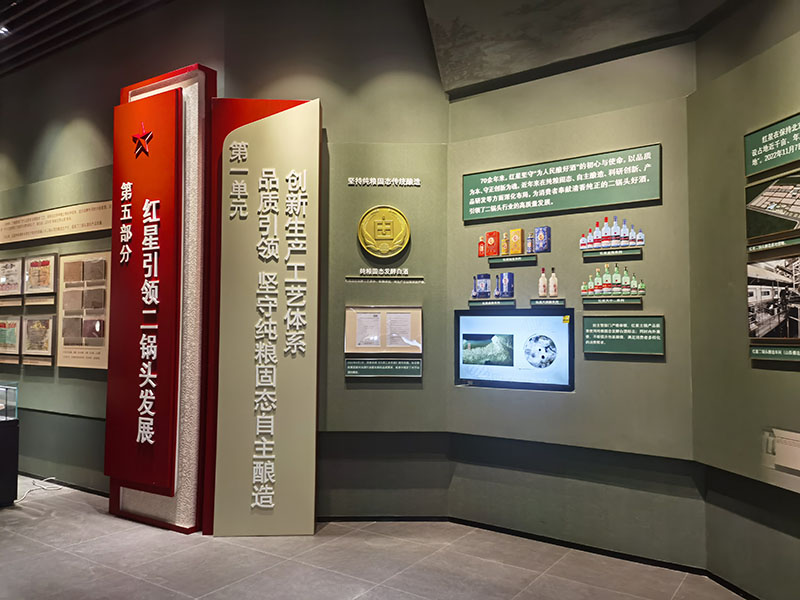
展陈装饰
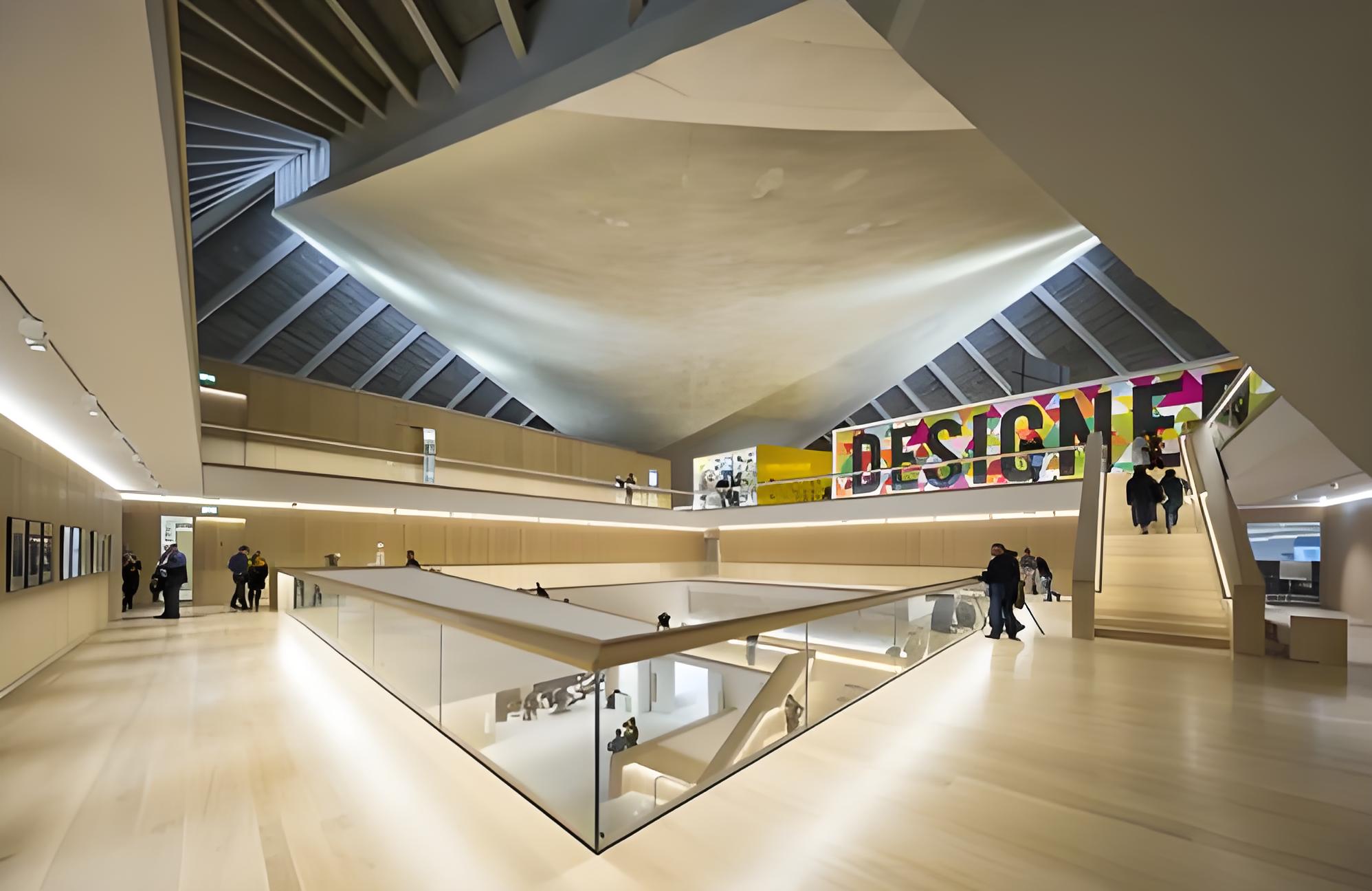
博物馆、展厅
设计搭建
设计、生产、搭建、服务
展厅展馆设计与搭建
### 展厅搭建的设计
展厅设计要明确主题,围绕展示内容核心,通过空间规划、色彩搭配、灯光设计等手段营造独特氛围。空间布局需合理,设置参观流线,确保观众能有序浏览。色彩选择要契合品牌形象或展示主题,以增强视觉吸引力。灯光运用要巧妙,突出重点展品,营造层次感。同时,融入多媒体元素,如电子屏、互动装置等,提升观众参与度与体验感。
### 展厅搭建的施工
施工前要做好充分准备,熟悉设计图纸,准备好所需材料和工具。施工过程严格按照规范进行,确保结构安全稳固。基础框架搭建要精准,墙面、地面处理要平整。对于展示道具的安装,要保证位置准确、安装牢固。在电气安装方面,注意线路铺设安全,确保用电设备正常运行。施工中还要注重细节,如边角处理要光滑,避免划伤观众。完成后进行全面检查,对发现的问题及时整改,保证展厅以最佳状态呈现。
展馆展厅的防火要求
展厅材料防火要求严格。墙面材料应选用不燃或难燃的,如防火石膏板等,避免使用易燃的化纤织物。地面可采用防火地板、不燃地毯等。吊顶部分,优先选择轻钢龙骨搭配防火板材。电气线路要穿阻燃管保护,防止漏电引发火灾。装饰材料尽量选阻燃性好的,从源头降低火灾风险,保障参观者安全与展厅安全。
找到我们给您包办
The Functions and Classification of Public Transport Station Signage and Guidance Systems

The so-called public transportation signs, including the airport, railway station and subway sign guidance systems, have the function of identification and indication. This function has two layers of meaning: one is the actual indication meaning, which points out the location, direction, road and behavioral momentum, such as the entrance of the place, the restroom, the parking lot, etc.; the other is the psychological identification of the wayfinder, that is, the form, shape, texture and placement of the guidance system design should reflect the cultural or regional context.
According to the first meaning of the communication function, the design of the subway sign guidance system can be divided into five major types: identification, direction, space, explanation and restriction.
Identification of wayfinding system design.
The identification wayfinding system design refers to the design that indicates where one is or what something is, mainly including designs aimed at distinction. For instance, landmark buildings, murals, sculptures, restrooms, and parking lots, etc.
2. Directional signage system design.
Directional signage system design mainly refers to the design of route signs that guide to specific places and facilities through indicators such as arrows. This type of design aims to guide the direction of passage and is suitable for situations where direct guidance to the destination is needed. For example: road signs, billboards and arrows, etc.
3. Spatial wayfinding system design.
The design of spatial wayfinding systems refers to the design that visually or tactilely represents positional relationships through maps or graphics. It is based on the principle of comprehensive guidance, allowing users to grasp the overall structure and selectively utilize spatial position information to guide them to their destinations.
4. Explain the design of the wayfinding system.
Wayfinding systems are typically found in environments prone to ambiguity or designed to explain situations, serving the functions of conveying the intentions of managers and the content of facilities. To more accurately explain ambiguity or situations, such wayfinding systems are often designed in the form of articles.
5. Management of wayfinding system design.
Management wayfinding system design refers to the design aimed at indicating legal and administrative regulations. Generally, it mainly represents items that require attention, and performs the function of urging people to pay attention to safety and abide by the order.
Robotics technology improves manufacturing by enhancing efficiency, precision and safety, while also reducing labor costs and minimizing repetitive work.
The robotics and signage industries are two distinct fields, but both have significant applications in modern industry. The following is a brief introduction to these two industries:
The robotics industry involves the design, manufacture, and application of robotic technology. Robots can be used in various fields, including manufacturing, healthcare, services, agriculture, and logistics. The development of robotic technology has greatly enhanced production efficiency, accuracy, and safety.
#### Main Application Areas:
1. **Industrial Robots**: Used for tasks such as assembly, welding, painting, and material handling on production lines.
2. **Service Robots**: Including household cleaning robots, medical care robots, and educational robots, etc.
3. **Specialized Robots**: Applied in hazardous environments, such as nuclear power plants, deep-sea exploration, and space exploration.
4. **Collaborative Robots (Cobots)**: Work alongside human workers to enhance production flexibility and safety.
#### Technology Trends:
– **Artificial Intelligence (AI)**: Endows robots with the ability to learn, make decisions, and adapt.
– **Internet of Things (IoT)**: Facilitates interconnection and data sharing among robots.
– **Machine Vision**: Enhances robots’ perception and recognition capabilities.
– **Soft Robotics**: Enables robots to handle more complex and delicate tasks.
The sign industry mainly involves the design, manufacture and installation of various signs for indication, guidance, advertising and information transmission. Signs are widely used in public places, commercial buildings, transportation systems, educational institutions, etc.
#### Main Types:
1. **Outdoor Signs**: Such as road signs, billboards, building signs, etc.
2. **Indoor Signs**: Such as office signs, shopping mall directional signs, exhibition display signs, etc.
3. **Traffic Signs**: Such as road direction signs, parking signs, traffic lights, etc.
4. **Electronic Signs**: Such as LED displays, digital billboards, etc.
#### Technology Trends:
– **Digitalization and Intelligence**: The widespread adoption of electronic signage and digital display technologies.
– **Eco-friendly Materials**: The use of sustainable and environmentally friendly materials in sign production.
– **Personalized Design**: Meeting the diverse needs of customers through customized design.
– **Interactive Technologies**: Such as touch screens, AR/VR technologies, to enhance user experience.
### Points of Convergence
In certain applications, the robotics and signage industries can converge. For instance:
– **Intelligent Tour Guide Robots**: By integrating robotics technology with electronic signage, they offer interactive tour guide services.
– **Automated Signage Installation**: Utilizing robots for the installation and maintenance of signage enhances efficiency and safety.
Both of these industries are constantly evolving and innovating, and there may be more cross-application and technological integration in the future.
The supply chain of the sign and plaque industry involves multiple links, from raw material supply to the final product delivery, covering several stages such as design, production, logistics, and installation. The following are the main links in the supply chain of the sign and plaque industry and their key points:
—
### 1. **Raw Material Supply**
– **Key Materials**:
– **Metal Materials**: Such as stainless steel, aluminum plates, copper plates, etc., used for making high-end signboards.
– **Plastic Materials**: Such as acrylic, PVC, PC, etc., used for making lightweight and durable signboards.
– **Wood**: Used for making retro or natural style signboards.
– **Luminous Materials**: Such as LED lights, phosphor, etc., used for making luminous signboards.
– **Coatings and Inks**: Used for surface treatment and printing.
– **Supplier Management**:
– Ensure the quality, price, and delivery time of raw materials.
– Establish long-term cooperative relationships to guarantee the stability of the supply chain.
—
### 2. **Design and R&D**
– **Design Software and Tools**:
– Use design software such as CAD, AI, and PS for signboard design.
– Provide customized design solutions based on customer needs.
– **Innovation and R&D**:
– Develop new materials and processes to enhance product competitiveness.
– Optimize the design process by integrating intelligent technologies such as AR/VR.
—
### 3. **Production and Manufacturing**
– **Production Processes**:
– **Cutting and Engraving**: Precise processing is carried out using equipment such as laser cutters and CNC engraving machines.
– **Printing and Painting**: Patterns and text are created using technologies like UV printing and screen printing.
– **Assembly and Welding**: Different components are assembled into complete signboards.
– **Surface Treatment**: Processes such as polishing, electroplating, and painting are applied to enhance the appearance quality.
– **Production Equipment**:
– Laser cutters, engraving machines, UV printers, welding equipment, etc.
– **Quality Control**:
– Strict quality inspections are conducted during the production process to ensure that products meet standards.
—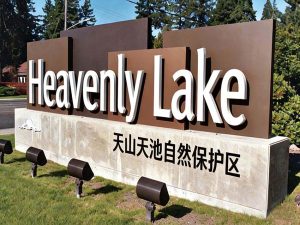
Customized Engraved Office Sign,Business Name Sign,bronze signs plaques,Door Number Sign,hotel Signs,Metal Letters,Copper Portrait Sculpture
### 4. **Logistics and Warehousing**
– **Logistics Management**:
– Select appropriate logistics companies to ensure the safe and timely delivery of products.
– Provide professional packaging and transportation services for large or fragile signboards.
– **Warehousing Management**:
– Plan the storage of raw materials and finished products rationally to reduce inventory costs.
– Use information systems (such as WMS) to enhance warehousing efficiency.
—
### 5. **Installation and Construction**
– **Site Survey**:
– Confirm the installation location, environmental conditions, and customer requirements.
– **Installation Team**:
– Provide professional installation services to ensure that the signboards are firm and aesthetically pleasing.
– **Construction Equipment**:
– Use equipment such as aerial work platforms, electric drills, and welding equipment to complete the installation.
—
### 6. **After-sales Service**
– **Maintenance and Care**:
– Provide regular maintenance services to extend the service life of the signboards.
– **Problem Resolution**:
– Offer timely repair or replacement services for damaged or defective signboards.
—
### 7. **Informationization and Intelligence**
– **Supply Chain Management System**:
– Optimize supply chain management by using systems such as ERP and SCM to enhance efficiency.
– **Data Analysis**:
– Optimize inventory, production, and logistics through data analysis.
– **Intelligent Technologies**:
– Integrate AI, IoT, and other technologies to achieve intelligent supply chain management.
—
### 8. **Environmental Protection and Sustainable Development**
– **Green Materials**:
– Select environmentally friendly materials to minimize the impact on the environment.
– **Waste Recycling**:
– Recycle waste generated during the production process to reduce waste.
– **Energy-efficient Production**:
– Adopt energy-efficient equipment and technologies to reduce energy consumption.
—
### Suggestions for Supply Chain Optimization
1. **Digital Management**: Introduce information systems to achieve data sharing and collaboration across all supply chain links.
2. **Supplier Partnership**: Establish long-term cooperative relationships with high-quality suppliers to ensure the quality and stability of raw material supply.
3. **Inventory Optimization**: Use data analysis to rationally control inventory and reduce capital occupation.
4. **Intelligent Upgrade**: Combine AI, IoT and other technologies to enhance the intelligence level of the supply chain.
—
By optimizing supply chain management, signboard enterprises can enhance production efficiency, reduce costs, and improve customer satisfaction, thereby gaining an edge in market competition.
The process of customizing signboards usually includes the following steps:
### 1. **Requirement Communication**
– **Clarify the Purpose**: Determine the purpose of the sign (such as directional signs, warning signs, advertising signs, etc.).
– **Size and Material**: Select the appropriate size and material (such as metal, acrylic, PVC, etc.) based on the installation environment and budget.
– **Design Style**: Determine the design style, color, font, etc., to ensure coordination with the brand or environment.
### 2. **Design Phase**
– **Initial Design**: The designer provides an initial plan based on the requirements.
– **Feedback and Revision**: The client offers revision suggestions, and the designer makes adjustments.
– **Design Confirmation**: The client finally confirms the design plan.
### 3. **Production Stage**
– **Material Procurement**: Purchase the required materials based on the design.
– **Production Processing**: Carry out processes such as cutting, engraving, printing, and spray painting.
– **Quality Inspection**: Ensure that the finished products meet the design requirements and quality standards.
### 4. **Installation Phase**
– **Site Survey**: Confirm the installation location and environment.
– **Installation Work**: Install according to the on-site conditions, ensuring it is secure and aesthetically pleasing.
– **Acceptance**: The customer conducts the acceptance inspection. Once confirmed to be correct, the delivery is completed.
### 5. **After-sales Service**
– **Maintenance and Care**: Provide maintenance suggestions to ensure the long-term use of the signboards.
– **Problem Resolution**: In case of quality issues, promptly offer solutions.
### Notes
– **Time Management**: Plan ahead to ensure timely completion.
– **Budget Control**: Select appropriate materials and processes within the budget.
– **Compliance**: Ensure that the signboards comply with relevant regulations and standards.
Through the above process, it can be ensured that each link from the design to the installation of the signboard is effectively controlled, and ultimately the customer’s requirements are met.
The full name of Shengyi Long Company is “Beijing Shengyi Long International Sign Engineering Co., Ltd.” It has the qualification of an operator of foreign trade issued by the state and has opened a foreign exchange account.
In the Chinese mainland, we have provided processing and services for the real estate, scenic spots, hotels, medical care and other industries in many regions.
We have also cooperated with clients from the United States, the United Kingdom, Germany, Kazakhstan, Japan, Kenya, Australia, Taiwan and other regions.