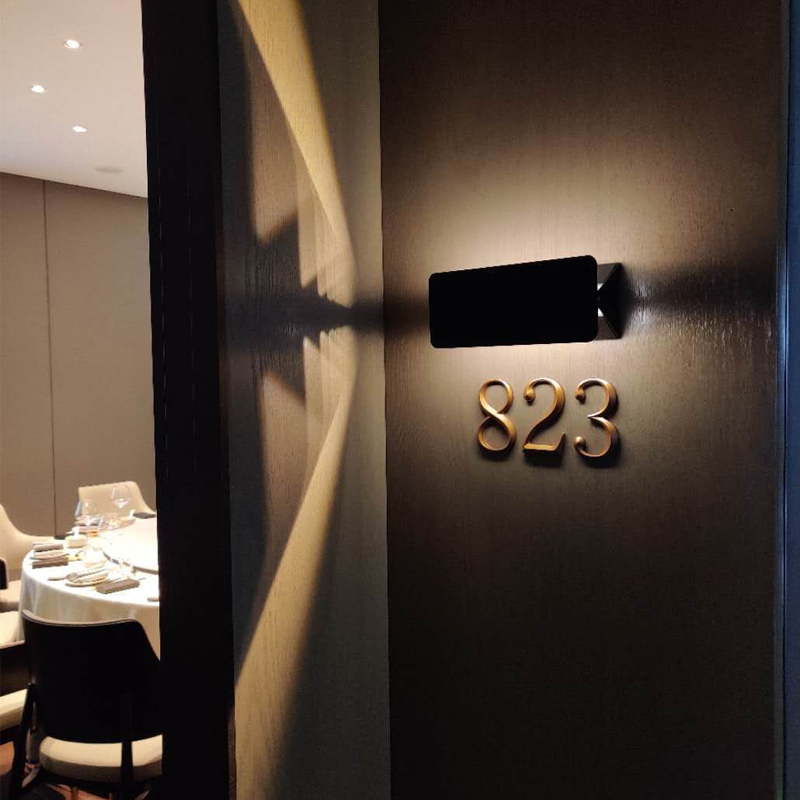
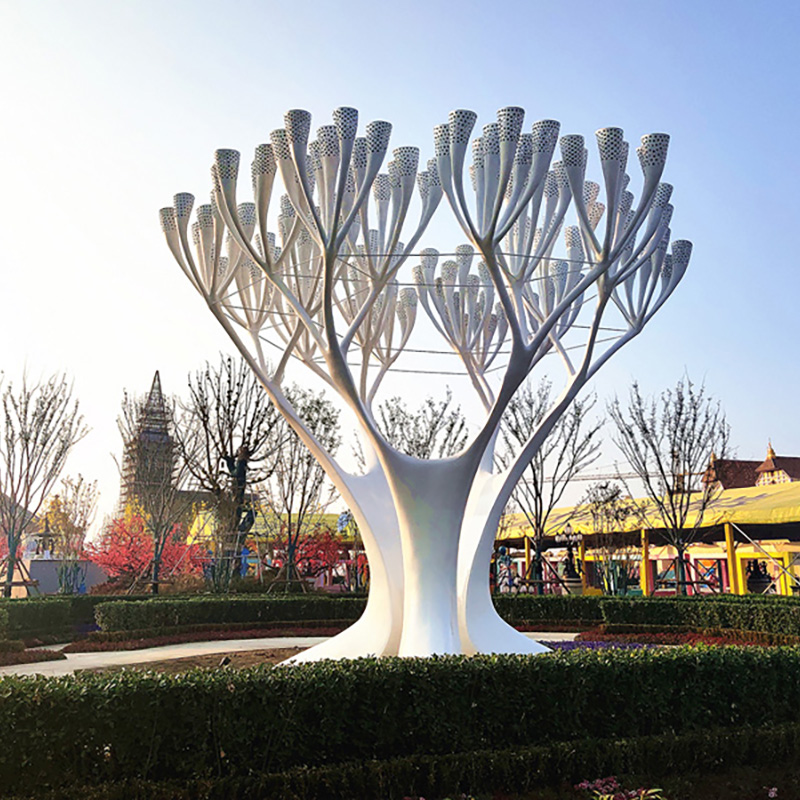
Installation sculpture products
SHENGYILONG
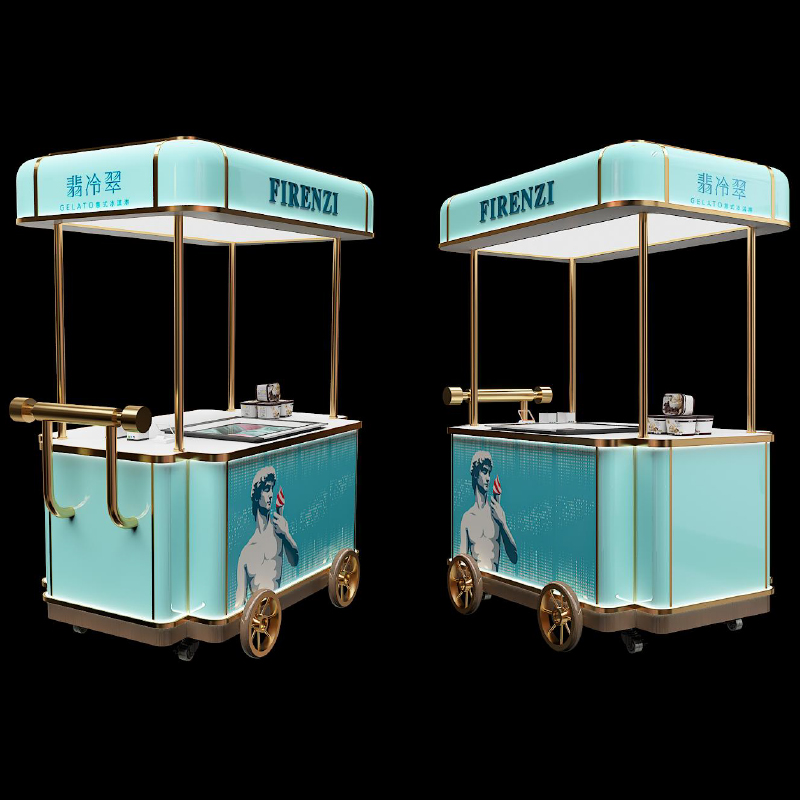
Mobile ice cream truck

Weathering steel three-dimensional large characters
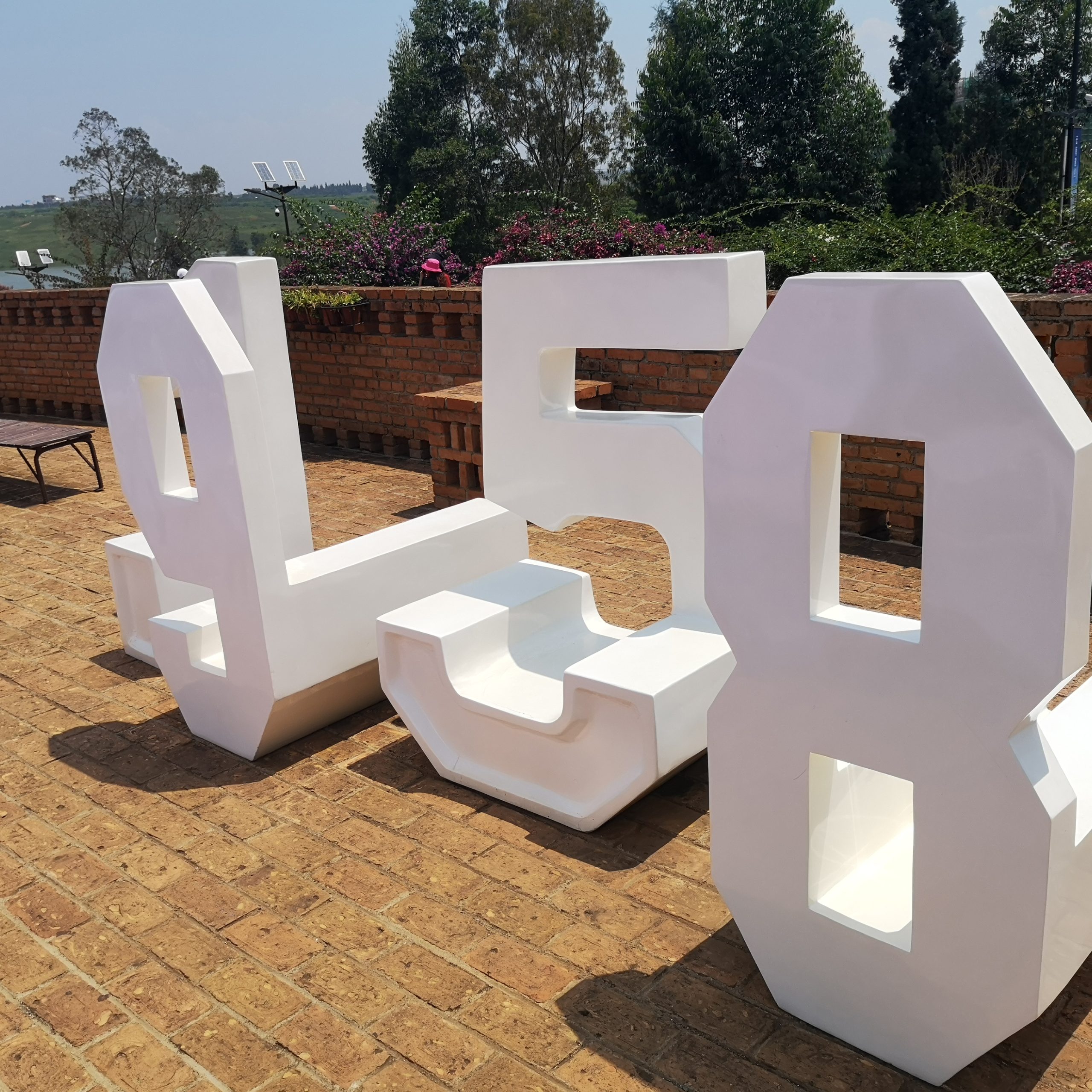
FRP art sculpture
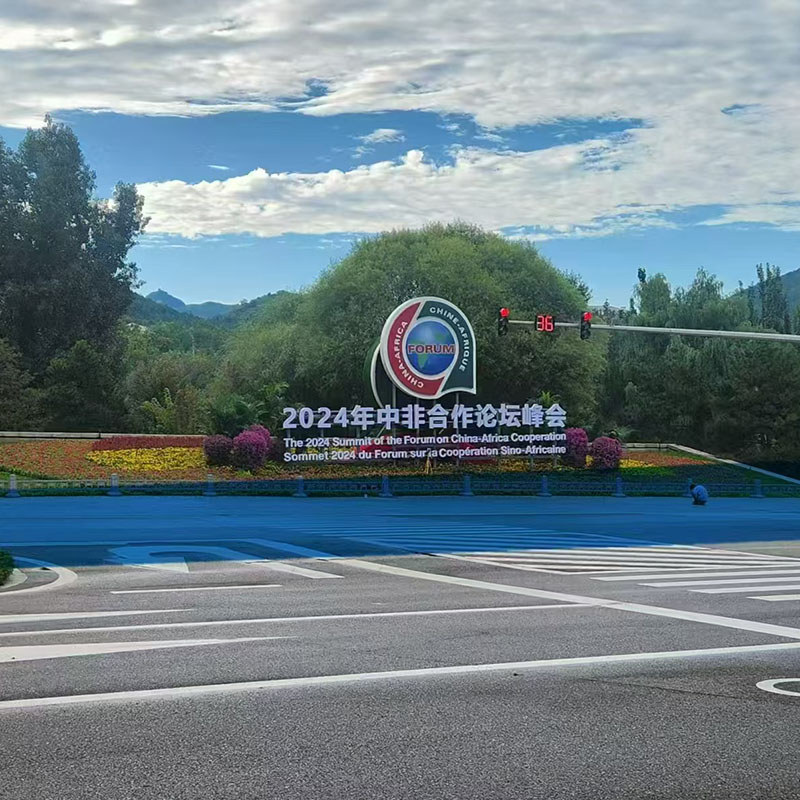
Vertical text decorative sculpture

Weathering steel park gate
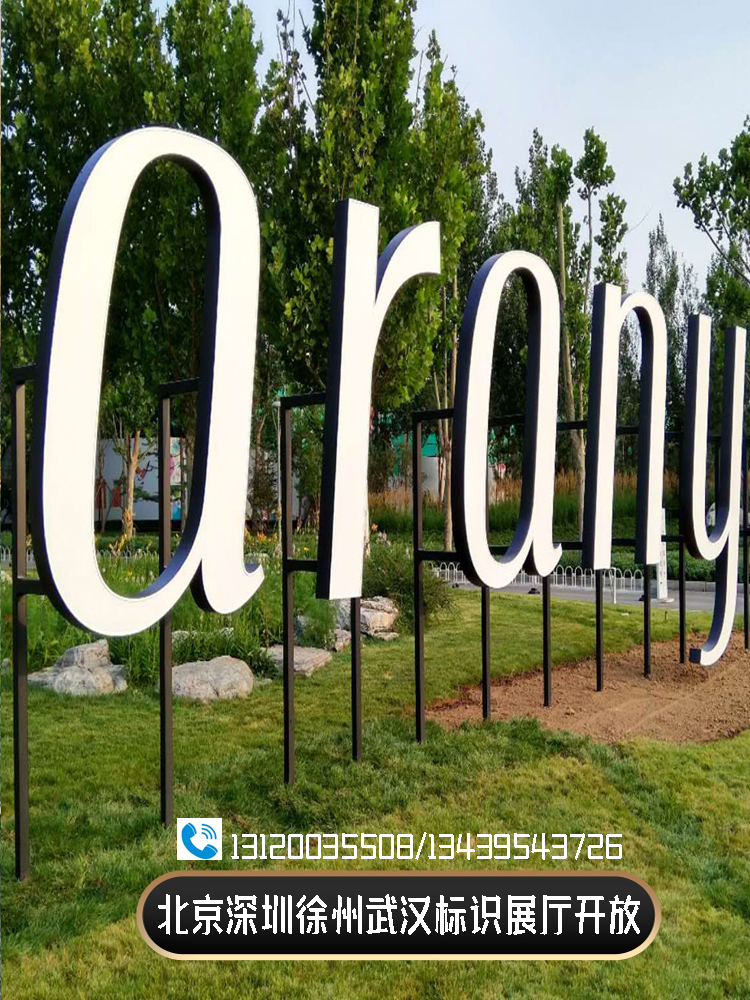
Large illuminated characters on the ground
ARTISTIC INSTALLATION
Artistic sculpture installations can be classified from multiple perspectives:
By material: There are metal sculpture installations, such as those made of stainless steel, copper, fiberglass, etc., which are sturdy and have a unique texture; wooden sculpture installations, which bring a natural and simple atmosphere; and works made of glass, ceramics, etc., which showcase delicacy and agility.
By creation method: Figurative sculpture installations, which highly reproduce the form of objects, allowing viewers to immediately recognize the depicted subjects; abstract sculpture installations, which convey emotions and concepts through lines, shapes, and other elements, triggering endless associations among viewers; and in-between, the imagery sculpture installations, which capture the essence for creation.
By display space: Indoor sculpture installations, which blend with the indoor environment and focus on coordinating with the spatial atmosphere; outdoor sculpture installations, which need to harmonize with nature and urban landscapes, often serving as part of public art. Additionally, there are some temporary sculpture installations, mostly created for specific events or exhibitions, and may be dismantled after the event concludes.
THE VISUAL CLASSIFICATION OF SCULPTURES
The effects of sculpture installations can roughly be classified into the following categories:
### Visual Effects Categories
– **Stunning Visual Type**: This category of sculpture installations typically features large volumes, exaggerated shapes, or strong color contrasts, which can instantly capture the audience’s attention and provide a powerful visual impact, leaving a deep impression. For instance, some large-scale outdoor metal sculptures fall into this category.
– **Exquisite Realistic Type**: With highly detailed and exquisite craftsmanship, these works vividly present objects or figures, allowing viewers to feel as if they can touch every texture in the work and immerse themselves in a realistic visual experience, such as hyper-realistic figure sculptures.
– **Dreamy and Fantastical Type**: By using unique shapes, strange color combinations, or non-realistic spatial constructions, they create dreamlike, otherworldly scenes that stimulate the audience’s imagination, such as sculpture installations with strong sci-fi elements.
### Interactive Experience Effect Categories
– **Touch Interaction Type**: Encourages the audience to touch with their bodies. Through different material textures and surface treatments, it allows the audience to feel the uniqueness of the work and enhances the direct connection between the audience and the work.
– **Behavior Trigger Type**: Certain behaviors of the audience, such as walking or making sounds, can trigger changes in the sculpture installation, such as flashing lights or the movement of mechanical parts, providing a novel and interesting interactive experience.
### Emotional Atmosphere Creation Types
– **Warm and Healing Type**: By using gentle lines, warm colors, and emotionally rich themes, it conveys a warm and soothing sentiment, making the audience feel calm and healed inside, such as some sculpture installations themed around family and animals.
– **Contemplative and Inspirational Type**: Through obscure themes and unique expression methods, it provokes the audience to deeply reflect on social and life issues, creating a quiet and profound atmosphere.
ABOUT THE INDUSTRY AND SHENGYILONG
There are generally two forms of artistic manhole covers.
The first type is the colored manhole cover.
The second type is the copper-faced manhole cover.
Let’s start with the first type, the colored manhole cover. Colored manhole covers are usually made by applying outdoor wear-resistant resin, fluorocarbon and other materials on the surface of cast iron manhole covers. Generally, the way manhole covers are made in Japan falls into this category.
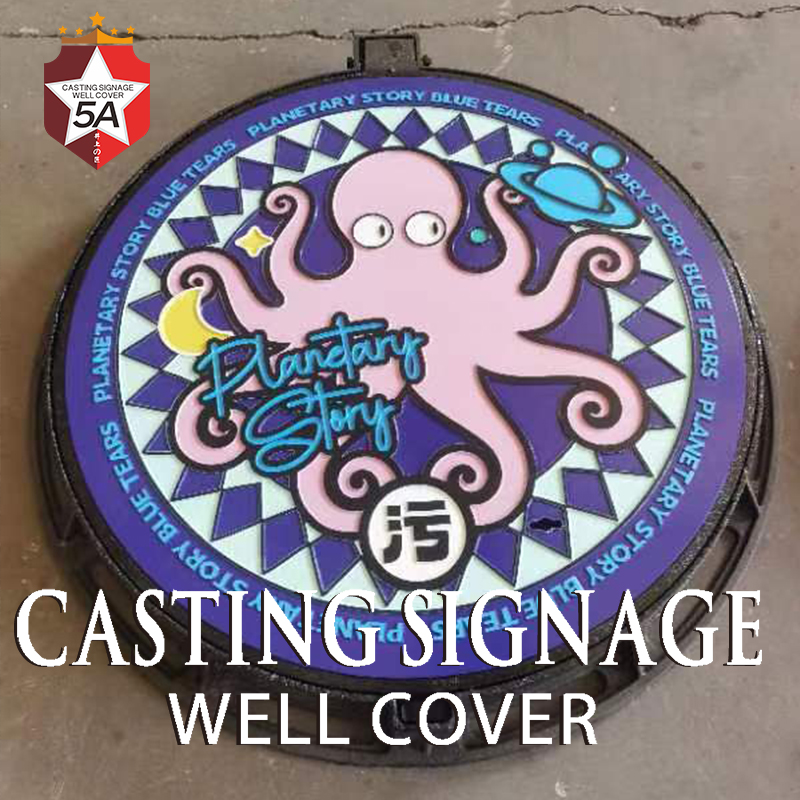
Let’s talk about the second type, the copper-faced manhole cover.
There are four methods to make copper surface manhole covers with the effects of bronze, brass or red copper.
1. Casting bronze or red copper requires a large amount of copper and is relatively expensive, but it is suitable for long-term use.
2. Using cast iron as the load-bearing base and placing an 8-millimeter thick embossed copper plate in the surface grooves, the two materials are physically combined to form a complete finished manhole cover. This method is suitable for small batches and can be used for a long time.
3. Casting patterns and characters with cast iron and covering the surface with a 0.5 – 1-millimeter thick layer of bronze, brass or red copper by laser. This can reduce production costs. It can be used for 6-8 years without wearing out, and even if it wears out, it still looks good, making it suitable for long-term use.
4. Casting patterns and characters with cast iron and electroplating a 0.1-millimeter thick layer of bronze, brass or red copper on the surface to reduce production costs. It can be used for one year before wearing out, but it is very cheap and not suitable for long-term use.
The full name of Shengyi Long Company is “Beijing Shengyi Long International Sign Engineering Co., Ltd.” It has the qualification of an operator of foreign trade issued by the state and has opened a foreign exchange account.
In the Chinese mainland, we have provided processing and services for the real estate, scenic spots, hotels, medical care and other industries in many regions.
We have also cooperated with clients from the United States, the United Kingdom, Germany, Kazakhstan, Japan, Kenya, Australia, Taiwan and other regions.
Robotics technology improves manufacturing by enhancing efficiency, precision and safety, while also reducing labor costs and minimizing repetitive work.
The robotics and signage industries are two distinct fields, but both have significant applications in modern industry. The following is a brief introduction to these two industries:
The robotics industry involves the design, manufacture, and application of robotic technology. Robots can be used in various fields, including manufacturing, healthcare, services, agriculture, and logistics. The development of robotic technology has greatly enhanced production efficiency, accuracy, and safety.
#### Main Application Areas:
1. **Industrial Robots**: Used for tasks such as assembly, welding, painting, and material handling on production lines.
2. **Service Robots**: Including household cleaning robots, medical care robots, and educational robots, etc.
3. **Specialized Robots**: Applied in hazardous environments, such as nuclear power plants, deep-sea exploration, and space exploration.
4. **Collaborative Robots (Cobots)**: Work alongside human workers to enhance production flexibility and safety.
#### Technology Trends:
– **Artificial Intelligence (AI)**: Endows robots with the ability to learn, make decisions, and adapt.
– **Internet of Things (IoT)**: Facilitates interconnection and data sharing among robots.
– **Machine Vision**: Enhances robots’ perception and recognition capabilities.
– **Soft Robotics**: Enables robots to handle more complex and delicate tasks.
The sign industry mainly involves the design, manufacture and installation of various signs for indication, guidance, advertising and information transmission. Signs are widely used in public places, commercial buildings, transportation systems, educational institutions, etc.
#### Main Types:
1. **Outdoor Signs**: Such as road signs, billboards, building signs, etc.
2. **Indoor Signs**: Such as office signs, shopping mall directional signs, exhibition display signs, etc.
3. **Traffic Signs**: Such as road direction signs, parking signs, traffic lights, etc.
4. **Electronic Signs**: Such as LED displays, digital billboards, etc.
#### Technology Trends:
– **Digitalization and Intelligence**: The widespread adoption of electronic signage and digital display technologies.
– **Eco-friendly Materials**: The use of sustainable and environmentally friendly materials in sign production.
– **Personalized Design**: Meeting the diverse needs of customers through customized design.
– **Interactive Technologies**: Such as touch screens, AR/VR technologies, to enhance user experience.
### Points of Convergence
In certain applications, the robotics and signage industries can converge. For instance:
– **Intelligent Tour Guide Robots**: By integrating robotics technology with electronic signage, they offer interactive tour guide services.
– **Automated Signage Installation**: Utilizing robots for the installation and maintenance of signage enhances efficiency and safety.
Both of these industries are constantly evolving and innovating, and there may be more cross-application and technological integration in the future.
Industry 4.0, a revolution in the manufacturing and industrial sectors, aims to comprehensively upgrade the production process through intelligent, digital and automated technologies. As an important part of both industry and service sectors, the sign and plaque industry has also undergone significant changes under the impetus of Industry 4.0. The following are the convergence points and impacts of Industry 4.0 on the sign and plaque industry, with Beijing Shengyilong Signage gradually moving forward:
—
### Core Characteristics of Industry 4.0
The core technologies of Industry 4.0 include:
1. **Internet of Things (IoT)**: Interconnection among devices, machines, and systems.
2. **Big Data Analytics**: Optimizing production processes and decision-making through data.
3. **Artificial Intelligence (AI)**: Enabling intelligent control and predictive maintenance.
4. **Automation and Robotics**: Enhancing production efficiency and precision.
5. **Digital Twin**: Real-time synchronization between virtual models and physical entities.
6. **Cloud Computing and Edge Computing**: Enabling distributed capabilities for data storage and processing.
These technologies have not only transformed traditional manufacturing industries but also had a profound impact on the sign and plaque industry.
—
The Impact of Industry 4.0 on the Signage Industry
#### 1. **Intelligent Production**
– **Automated Production Lines**: Industry 4.0 has driven the automation of sign production, such as using robots for cutting, engraving, printing, and assembly, reducing manual intervention and enhancing efficiency and accuracy.
– **Customized Production**: Through digital technology, signs can be produced in small batches and customized to meet diverse customer needs.
#### 2. **Digital Design and Manufacturing**
– **Digital Twin Technology**: During the design phase, the actual effect of the sign can be simulated through digital twin technology to optimize the design plan.
– **3D Printing**: It is used to manufacture signs with complex shapes or special materials, shortening the production cycle.
#### 3. **Integration of Smart Signage and Internet of Things**
– **Digital Signage**: The advent of Industry 4.0 has led to the widespread adoption of digital signage, such as LED displays and touch screens, which can update information in real time and interact with users.
– **IoT Signage**: Signage can be embedded with sensors and communication modules to enable remote monitoring and management. For instance, traffic signs can adjust their display content based on real-time traffic conditions.
#### 4. **Data-Driven and Intelligent Management**
– **Big Data Analysis**: By analyzing the usage data of signs (such as foot traffic and user interaction data), the design and layout of signs can be optimized.
– **Predictive Maintenance**: Real-time monitoring of electronic signs to predict faults and perform maintenance in advance, reducing downtime.
#### 5. **Environmental Protection and Sustainable Development**
– **Smart Materials**: Industry 4.0 has promoted the use of environmentally friendly materials, such as recyclable materials or low-energy electronic components.
– **Energy-saving Design**: Through intelligent control, electronic signs can automatically adjust their brightness based on ambient light or foot traffic, reducing energy consumption.
—
Applications of Signage and Signboards in Industry 4.0
#### 1. **Smart Factory**
– **Equipment Identification**: By using QR codes, RFID tags or electronic nameplates, intelligent management of equipment is achieved, such as tracking equipment status, maintenance records, etc.
– **Production Line Guidance**: Dynamic electronic nameplates are used to display production progress, fault information or operation instructions in real time.
#### 2. **Smart City**
– **Intelligent Traffic Signs**: Dynamically adjust display content based on real-time traffic data to optimize traffic flow.
– **Public Information Signs**: Provide real-time weather, news, emergency notifications, and other information.
#### 3. **Retail and Commerce**
– **Interactive Billboards**: Offer immersive shopping experiences through touch screens or AR technology.
– **Smart Navigation**: Provide navigation services in shopping malls or exhibition halls using electronic signs or robots.
#### 4. **Logistics and Warehousing**
– **Smart Warehouse Signage**: Utilizing electronic signage to display inventory information, goods locations, etc., to enhance warehouse management efficiency.
– **Automated Sorting**: Combining identification technology and robots to achieve automated sorting and transportation of goods.
—
### Future Trends
1. **Wider Intelligence**: Signage will become more intelligent, capable of real-time interaction with users, the environment, and other devices.
2. **Cross-Border Integration**: The signage industry will deeply integrate with technologies such as the Internet of Things, artificial intelligence, and AR/VR, creating more innovative applications.
3. **Green and Environmentally Friendly**: With the popularization of sustainable development concepts, the use of eco-friendly materials and energy-saving designs will become important development directions for the signage industry.
—
In conclusion, Industry 4.0 has brought significant opportunities and challenges to the sign and plaque industry. By embracing new technologies, the sign and plaque industry can achieve a transformation and upgrade from traditional manufacturing to intelligent and digital manufacturing, providing users with more efficient and intelligent services.
The process of customizing signboards usually includes the following steps:
### 1. **Requirement Communication**
– **Clarify the Purpose**: Determine the purpose of the sign (such as directional signs, warning signs, advertising signs, etc.).
– **Size and Material**: Select the appropriate size and material (such as metal, acrylic, PVC, etc.) based on the installation environment and budget.
– **Design Style**: Determine the design style, color, font, etc., to ensure coordination with the brand or environment.
### 2. **Design Phase**
– **Initial Design**: The designer provides an initial plan based on the requirements.
– **Feedback and Revision**: The client offers revision suggestions, and the designer makes adjustments.
– **Design Confirmation**: The client finally confirms the design plan.
### 3. **Production Stage**
– **Material Procurement**: Purchase the required materials based on the design.
– **Production Processing**: Carry out processes such as cutting, engraving, printing, and spray painting.
– **Quality Inspection**: Ensure that the finished products meet the design requirements and quality standards.
### 4. **Installation Phase**
– **Site Survey**: Confirm the installation location and environment.
– **Installation Work**: Install according to the on-site conditions, ensuring it is secure and aesthetically pleasing.
– **Acceptance**: The customer conducts the acceptance inspection. Once confirmed to be correct, the delivery is completed.
### 5. **After-sales Service**
– **Maintenance and Care**: Provide maintenance suggestions to ensure the long-term use of the signboards.
– **Problem Resolution**: In case of quality issues, promptly offer solutions.
### Notes
– **Time Management**: Plan ahead to ensure timely completion.
– **Budget Control**: Select appropriate materials and processes within the budget.
– **Compliance**: Ensure that the signboards comply with relevant regulations and standards.
Through the above process, it can be ensured that each link from the design to the installation of the signboard is effectively controlled, and ultimately the customer’s requirements are met.