
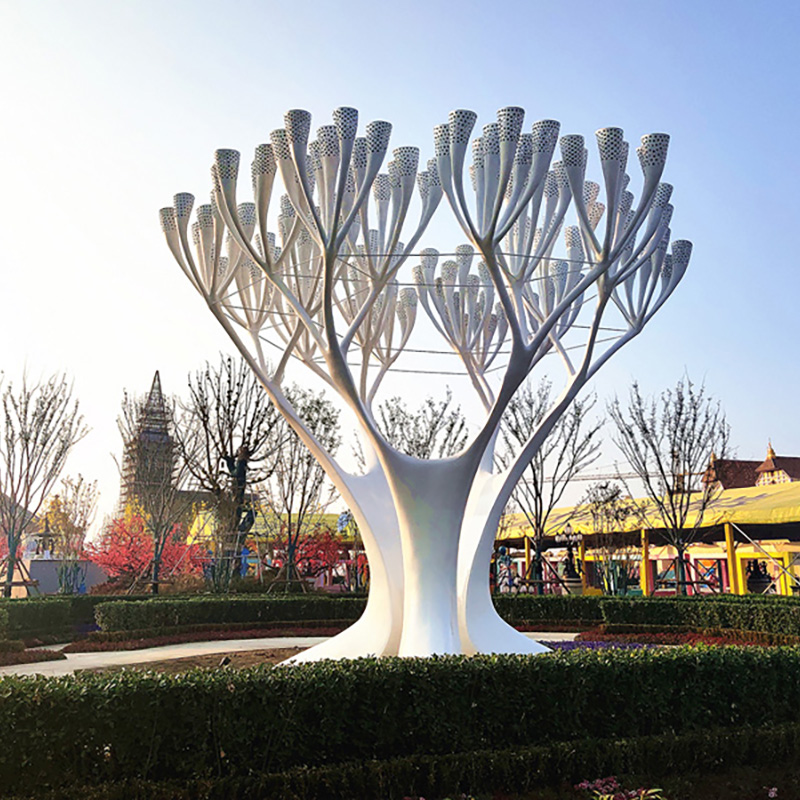
Installation sculpture products
SHENGYILONG
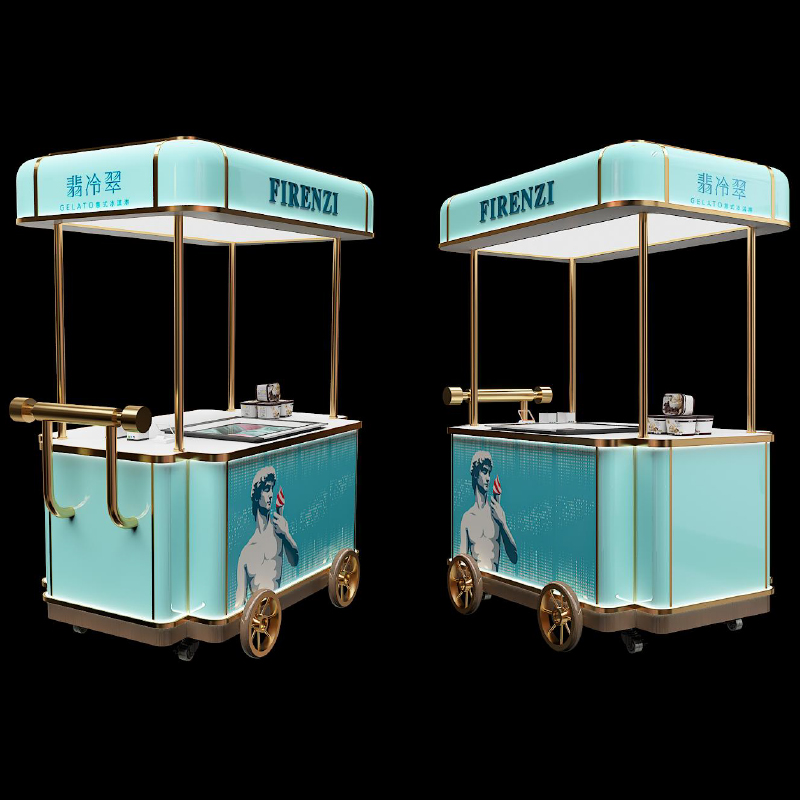
Mobile ice cream truck

Weathering steel three-dimensional large characters
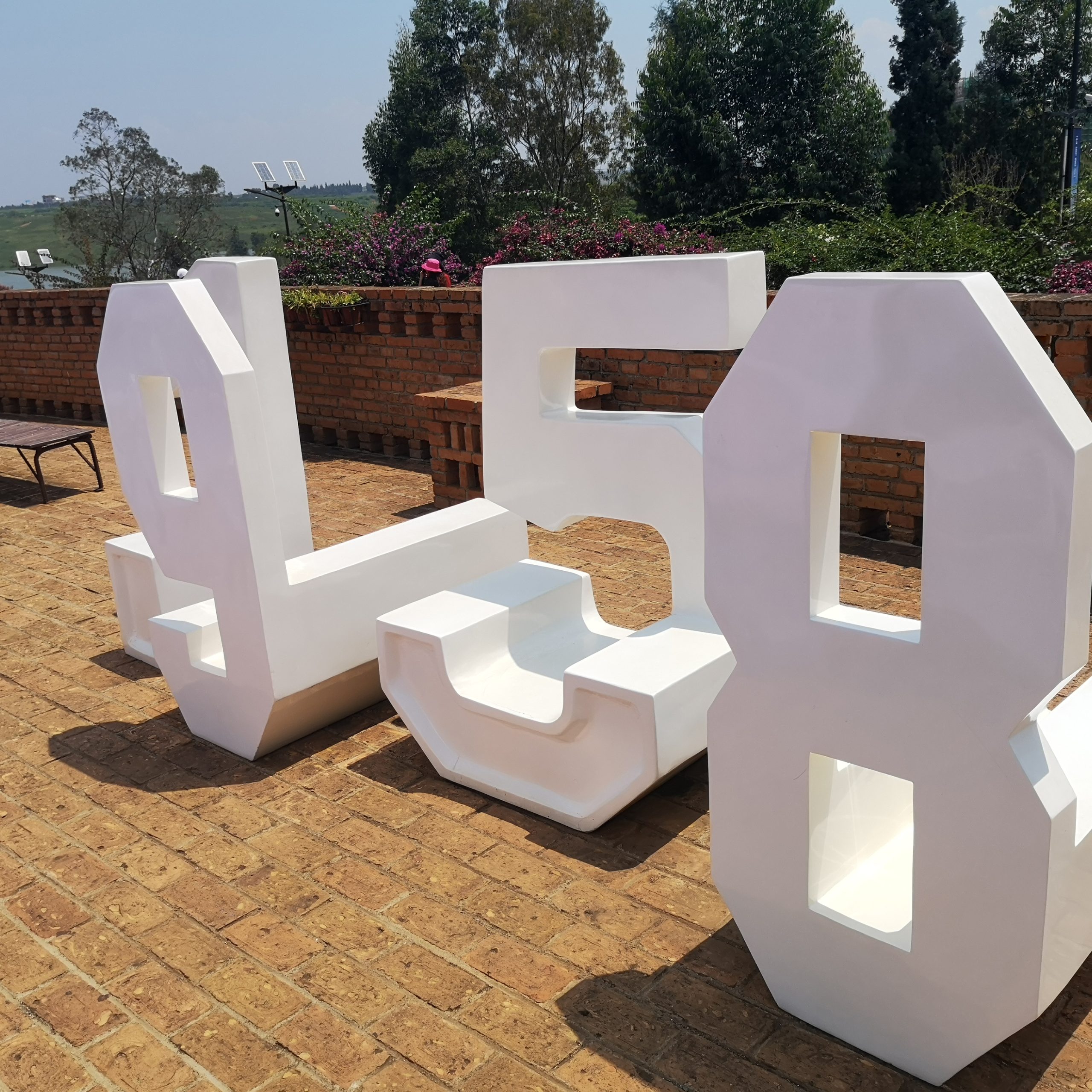
FRP art sculpture
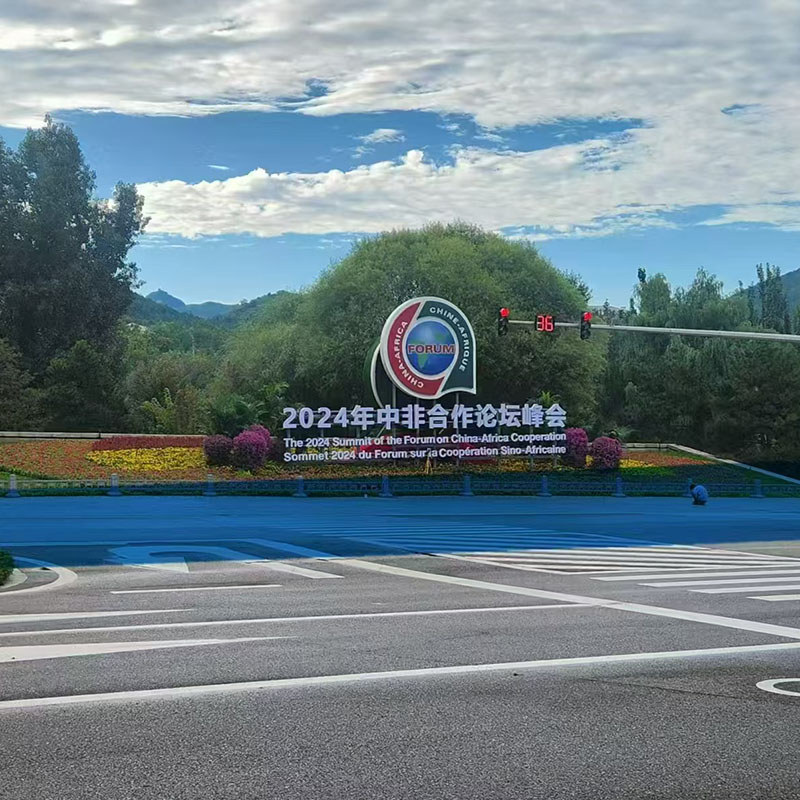
Vertical text decorative sculpture
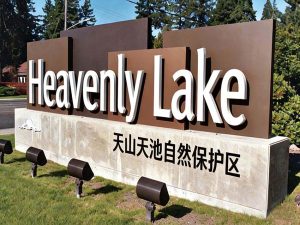
Weathering steel park gate
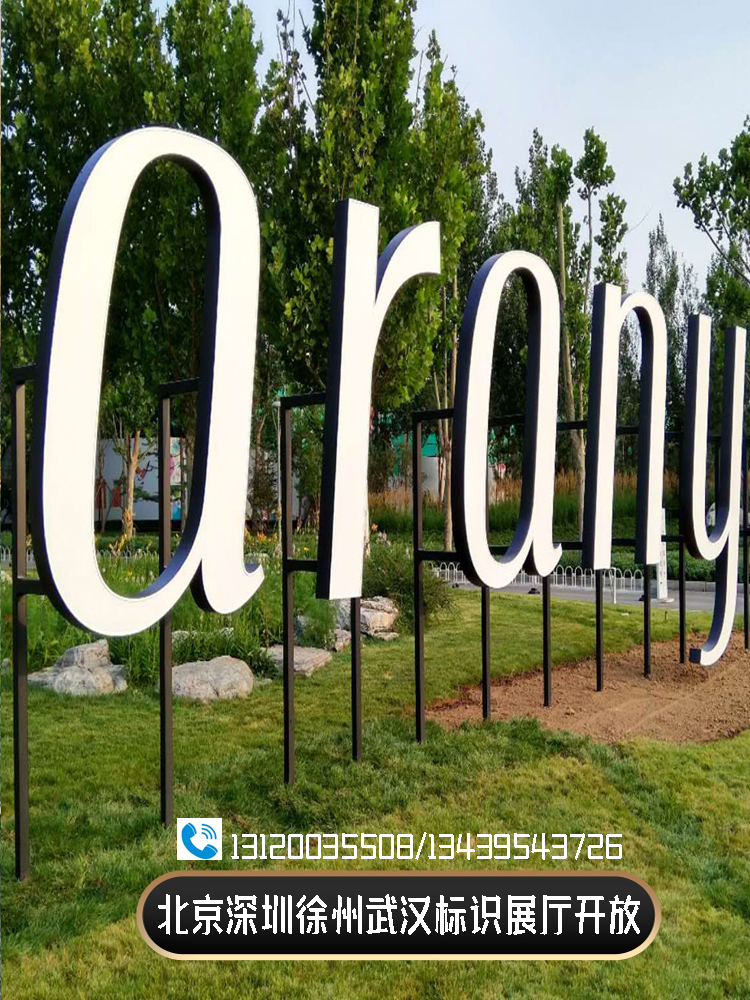
Large illuminated characters on the ground
ARTISTIC INSTALLATION
Artistic sculpture installations can be classified from multiple perspectives:
By material: There are metal sculpture installations, such as those made of stainless steel, copper, fiberglass, etc., which are sturdy and have a unique texture; wooden sculpture installations, which bring a natural and simple atmosphere; and works made of glass, ceramics, etc., which showcase delicacy and agility.
By creation method: Figurative sculpture installations, which highly reproduce the form of objects, allowing viewers to immediately recognize the depicted subjects; abstract sculpture installations, which convey emotions and concepts through lines, shapes, and other elements, triggering endless associations among viewers; and in-between, the imagery sculpture installations, which capture the essence for creation.
By display space: Indoor sculpture installations, which blend with the indoor environment and focus on coordinating with the spatial atmosphere; outdoor sculpture installations, which need to harmonize with nature and urban landscapes, often serving as part of public art. Additionally, there are some temporary sculpture installations, mostly created for specific events or exhibitions, and may be dismantled after the event concludes.
THE VISUAL CLASSIFICATION OF SCULPTURES
The effects of sculpture installations can roughly be classified into the following categories:
### Visual Effects Categories
– **Stunning Visual Type**: This category of sculpture installations typically features large volumes, exaggerated shapes, or strong color contrasts, which can instantly capture the audience’s attention and provide a powerful visual impact, leaving a deep impression. For instance, some large-scale outdoor metal sculptures fall into this category.
– **Exquisite Realistic Type**: With highly detailed and exquisite craftsmanship, these works vividly present objects or figures, allowing viewers to feel as if they can touch every texture in the work and immerse themselves in a realistic visual experience, such as hyper-realistic figure sculptures.
– **Dreamy and Fantastical Type**: By using unique shapes, strange color combinations, or non-realistic spatial constructions, they create dreamlike, otherworldly scenes that stimulate the audience’s imagination, such as sculpture installations with strong sci-fi elements.
### Interactive Experience Effect Categories
– **Touch Interaction Type**: Encourages the audience to touch with their bodies. Through different material textures and surface treatments, it allows the audience to feel the uniqueness of the work and enhances the direct connection between the audience and the work.
– **Behavior Trigger Type**: Certain behaviors of the audience, such as walking or making sounds, can trigger changes in the sculpture installation, such as flashing lights or the movement of mechanical parts, providing a novel and interesting interactive experience.
### Emotional Atmosphere Creation Types
– **Warm and Healing Type**: By using gentle lines, warm colors, and emotionally rich themes, it conveys a warm and soothing sentiment, making the audience feel calm and healed inside, such as some sculpture installations themed around family and animals.
– **Contemplative and Inspirational Type**: Through obscure themes and unique expression methods, it provokes the audience to deeply reflect on social and life issues, creating a quiet and profound atmosphere.
ABOUT THE INDUSTRY AND SHENGYILONG
The Functions and Classification of Public Transport Station Signage and Guidance Systems

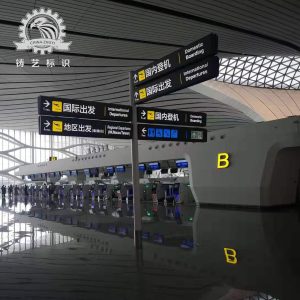
The so-called public transportation signs, including the airport, railway station and subway sign guidance systems, have the function of identification and indication. This function has two layers of meaning: one is the actual indication meaning, which points out the location, direction, road and behavioral momentum, such as the entrance of the place, the restroom, the parking lot, etc.; the other is the psychological identification of the wayfinder, that is, the form, shape, texture and placement of the guidance system design should reflect the cultural or regional context.
According to the first meaning of the communication function, the design of the subway sign guidance system can be divided into five major types: identification, direction, space, explanation and restriction.
Identification of wayfinding system design.
The identification wayfinding system design refers to the design that indicates where one is or what something is, mainly including designs aimed at distinction. For instance, landmark buildings, murals, sculptures, restrooms, and parking lots, etc.
2. Directional signage system design.
Directional signage system design mainly refers to the design of route signs that guide to specific places and facilities through indicators such as arrows. This type of design aims to guide the direction of passage and is suitable for situations where direct guidance to the destination is needed. For example: road signs, billboards and arrows, etc.
3. Spatial wayfinding system design.
The design of spatial wayfinding systems refers to the design that visually or tactilely represents positional relationships through maps or graphics. It is based on the principle of comprehensive guidance, allowing users to grasp the overall structure and selectively utilize spatial position information to guide them to their destinations.
4. Explain the design of the wayfinding system.
Wayfinding systems are typically found in environments prone to ambiguity or designed to explain situations, serving the functions of conveying the intentions of managers and the content of facilities. To more accurately explain ambiguity or situations, such wayfinding systems are often designed in the form of articles.
5. Management of wayfinding system design.
Management wayfinding system design refers to the design aimed at indicating legal and administrative regulations. Generally, it mainly represents items that require attention, and performs the function of urging people to pay attention to safety and abide by the order.
AI is an artificial intelligence technology that can be integrated with the sign industry in various ways to promote its intelligence, digitalization, and efficiency. The following are several potential directions for the integration of DeepSeek technology with the sign industry:
### 1. **Intelligent Design and Optimization**
– **AI-Assisted Design**: By leveraging DeepSeek’s AI technology, we develop intelligent design tools to assist designers in quickly generating signboard design proposals. By inputting requirements such as size, material, and style, the AI can automatically generate multiple design options for customers to choose from.
– **Personalized Customization**: Based on customer demand data, the AI can recommend personalized design elements (such as colors, fonts, and patterns), enhancing design efficiency.
—
### 2. **Intelligent Production and Process Optimization**
– **Automated Production**: By integrating AI and machine learning technologies, the production process of signboards is optimized, enabling automated cutting, engraving, printing, and other processes. This reduces labor costs and enhances production efficiency.
– **Quality Inspection**: Computer vision technology is employed to conduct real-time quality inspection of signboards during the production process, ensuring that the finished products meet the standards.
### 3. **Smart Installation and Maintenance**
– **AR-Assisted Installation**: By leveraging augmented reality (AR) technology, visual guidance is provided to installers to ensure the accuracy of the installation position and angle of the signboards.
– **Intelligent Maintenance Alerts**: Utilizing Internet of Things (IoT) and AI technologies, the status of the signboards (such as damage, fading, etc.) is monitored, and automatic alerts for maintenance or replacement are issued.
—
### 4. **Data Analysis and Market Insights**
– **Customer Demand Analysis**: By analyzing customers’ historical orders and preference data, AI can predict market demands, helping enterprises optimize their products and services.
– **Industry Trend Forecasting**: Utilizing big data analysis, it provides signboard enterprises with industry trend and competitive analysis, assisting them in formulating strategies.
—
### 5. **Intelligent Marketing and Customer Service**
– **Intelligent Customer Service**: By leveraging DeepSeek’s natural language processing (NLP) technology, an intelligent customer service system is developed to provide 24/7 consultation services to customers, addressing questions related to sign design, production, and installation.
– **Precision Marketing**: Through AI analysis of customer data, precision marketing is achieved, recommending suitable sign products and services to potential customers.
—
### 6. **Environmental Protection and Sustainable Development**
– **Material Optimization Suggestions**: AI can analyze the environmental performance of different materials, helping enterprises choose more eco-friendly materials and promoting sustainable development.
– **Waste Management**: By optimizing production processes through AI, material waste can be reduced and production costs lowered.
—
### 7. **Virtual Display and Experience**
– **Virtual Reality (VR) Display**: Utilizing VR technology, we offer customers a virtual display experience of signboards, allowing them to view the actual effect of the signboards in a virtual environment.
– **Online Customization Platform**: Develop an AI-based online customization platform where customers can adjust design parameters in real time and view the results, enhancing the user experience.
—
### 8. **Industry Training and Knowledge Sharing**
– **AI Training System**: Provide an AI-driven training system for professionals in the signboard industry to help them master the latest design, production, and management technologies.
– **Knowledge Base Construction**: Utilize AI technology to build an industry knowledge base, enabling enterprises to quickly access relevant technical and market information.
—
### Summary
DeepSeek’s AI technology can bring about a full-process intelligent upgrade for the signboard industry, from design, production to installation and maintenance, helping enterprises enhance efficiency, reduce costs, and improve customer experience. At the same time, it promotes the digital transformation and sustainable development of the industry. If you have specific needs or scenarios, we can further discuss how to customize and integrate DeepSeek’s technology.
The supply chain of the sign and plaque industry involves multiple links, from raw material supply to the final product delivery, covering several stages such as design, production, logistics, and installation. The following are the main links in the supply chain of the sign and plaque industry and their key points:
—
### 1. **Raw Material Supply**
– **Key Materials**:
– **Metal Materials**: Such as stainless steel, aluminum plates, copper plates, etc., used for making high-end signboards.
– **Plastic Materials**: Such as acrylic, PVC, PC, etc., used for making lightweight and durable signboards.
– **Wood**: Used for making retro or natural style signboards.
– **Luminous Materials**: Such as LED lights, phosphor, etc., used for making luminous signboards.
– **Coatings and Inks**: Used for surface treatment and printing.
– **Supplier Management**:
– Ensure the quality, price, and delivery time of raw materials.
– Establish long-term cooperative relationships to guarantee the stability of the supply chain.
—
### 2. **Design and R&D**
– **Design Software and Tools**:
– Use design software such as CAD, AI, and PS for signboard design.
– Provide customized design solutions based on customer needs.
– **Innovation and R&D**:
– Develop new materials and processes to enhance product competitiveness.
– Optimize the design process by integrating intelligent technologies such as AR/VR.
—
### 3. **Production and Manufacturing**
– **Production Processes**:
– **Cutting and Engraving**: Precise processing is carried out using equipment such as laser cutters and CNC engraving machines.
– **Printing and Painting**: Patterns and text are created using technologies like UV printing and screen printing.
– **Assembly and Welding**: Different components are assembled into complete signboards.
– **Surface Treatment**: Processes such as polishing, electroplating, and painting are applied to enhance the appearance quality.
– **Production Equipment**:
– Laser cutters, engraving machines, UV printers, welding equipment, etc.
– **Quality Control**:
– Strict quality inspections are conducted during the production process to ensure that products meet standards.
—
Customized Engraved Office Sign,Business Name Sign,bronze signs plaques,Door Number Sign,hotel Signs,Metal Letters,Copper Portrait Sculpture
### 4. **Logistics and Warehousing**
– **Logistics Management**:
– Select appropriate logistics companies to ensure the safe and timely delivery of products.
– Provide professional packaging and transportation services for large or fragile signboards.
– **Warehousing Management**:
– Plan the storage of raw materials and finished products rationally to reduce inventory costs.
– Use information systems (such as WMS) to enhance warehousing efficiency.
—
### 5. **Installation and Construction**
– **Site Survey**:
– Confirm the installation location, environmental conditions, and customer requirements.
– **Installation Team**:
– Provide professional installation services to ensure that the signboards are firm and aesthetically pleasing.
– **Construction Equipment**:
– Use equipment such as aerial work platforms, electric drills, and welding equipment to complete the installation.
—
### 6. **After-sales Service**
– **Maintenance and Care**:
– Provide regular maintenance services to extend the service life of the signboards.
– **Problem Resolution**:
– Offer timely repair or replacement services for damaged or defective signboards.
—
### 7. **Informationization and Intelligence**
– **Supply Chain Management System**:
– Optimize supply chain management by using systems such as ERP and SCM to enhance efficiency.
– **Data Analysis**:
– Optimize inventory, production, and logistics through data analysis.
– **Intelligent Technologies**:
– Integrate AI, IoT, and other technologies to achieve intelligent supply chain management.
—
### 8. **Environmental Protection and Sustainable Development**
– **Green Materials**:
– Select environmentally friendly materials to minimize the impact on the environment.
– **Waste Recycling**:
– Recycle waste generated during the production process to reduce waste.
– **Energy-efficient Production**:
– Adopt energy-efficient equipment and technologies to reduce energy consumption.
—
### Suggestions for Supply Chain Optimization
1. **Digital Management**: Introduce information systems to achieve data sharing and collaboration across all supply chain links.
2. **Supplier Partnership**: Establish long-term cooperative relationships with high-quality suppliers to ensure the quality and stability of raw material supply.
3. **Inventory Optimization**: Use data analysis to rationally control inventory and reduce capital occupation.
4. **Intelligent Upgrade**: Combine AI, IoT and other technologies to enhance the intelligence level of the supply chain.
—
By optimizing supply chain management, signboard enterprises can enhance production efficiency, reduce costs, and improve customer satisfaction, thereby gaining an edge in market competition.
The full name of Shengyi Long Company is “Beijing Shengyi Long International Sign Engineering Co., Ltd.” It has the qualification of an operator of foreign trade issued by the state and has opened a foreign exchange account.
In the Chinese mainland, we have provided processing and services for the real estate, scenic spots, hotels, medical care and other industries in many regions.
We have also cooperated with clients from the United States, the United Kingdom, Germany, Kazakhstan, Japan, Kenya, Australia, Taiwan and other regions.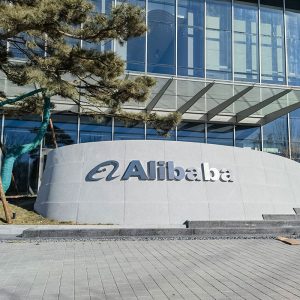
The production of illuminated building sign letters usually involves several steps, including design, material selection, manufacturing and installation. Here is a detailed process:
### 1. Design
– **Font Selection**: Choose an appropriate font based on the brand or architectural style.
– **Size Determination**: Determine the font size based on the building’s size and viewing distance.
– **Color and Effects**: Select the luminous color and decide whether dynamic effects (such as gradient or flashing) are needed.
### 2. Material Selection
– **LED Lights**: LED lights are commonly used as the light source due to their energy efficiency, long lifespan, and high brightness.
– **Shell Materials**: Stainless steel, aluminum plates, and acrylic are frequently used. Stainless steel and aluminum plates are durable, while acrylic has good light transmittance.
– **Panel Materials**: Acrylic sheets are typically used for their uniform light transmission and variety of colors.
### 3. Production
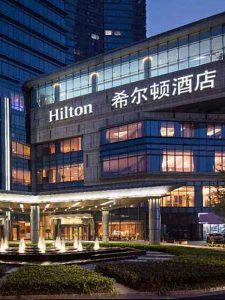
– **Production of letter casing**: Cut, weld and grind the letter casing according to the design drawings.
– **Installation of LED lights**: Evenly install LED lights inside the letter casing to ensure uniform light distribution.
– **Production of panels**: Cut acrylic sheets and fix them onto the letter casing.
### 4. Installation
– **Fixing the brackets**: Install the brackets on the building to ensure they are stable.
– **Connecting the circuit**: Connect the illuminated letters to the power supply to ensure the circuit is safe.
– **Testing**: After installation, test the illuminated effect to ensure uniform brightness.
### 5. Maintenance
– **Regular Inspection**: Regularly inspect the circuit and LED lights, and replace damaged parts in a timely manner.
– **Cleaning and Maintenance**: Regularly clean the surface to keep it looking good.
### Precautions
– **Safety**: Ensure the installation is secure and the circuit complies with safety standards.
– **Waterproof and Dustproof**: When used outdoors, make sure to take waterproof and dustproof measures.
– **Energy Conservation and Environmental Protection**: Choose energy-saving LED lights to reduce energy consumption.
By following these steps, building sign illuminated letters that meet the requirements can be produced.