

DESIGN AND MANUFACTURING
Technology and Art

Custom-made invisible brass manhole covers

Aluminum art manhole cover with combination type

Electroplated copper cast iron manhole cover
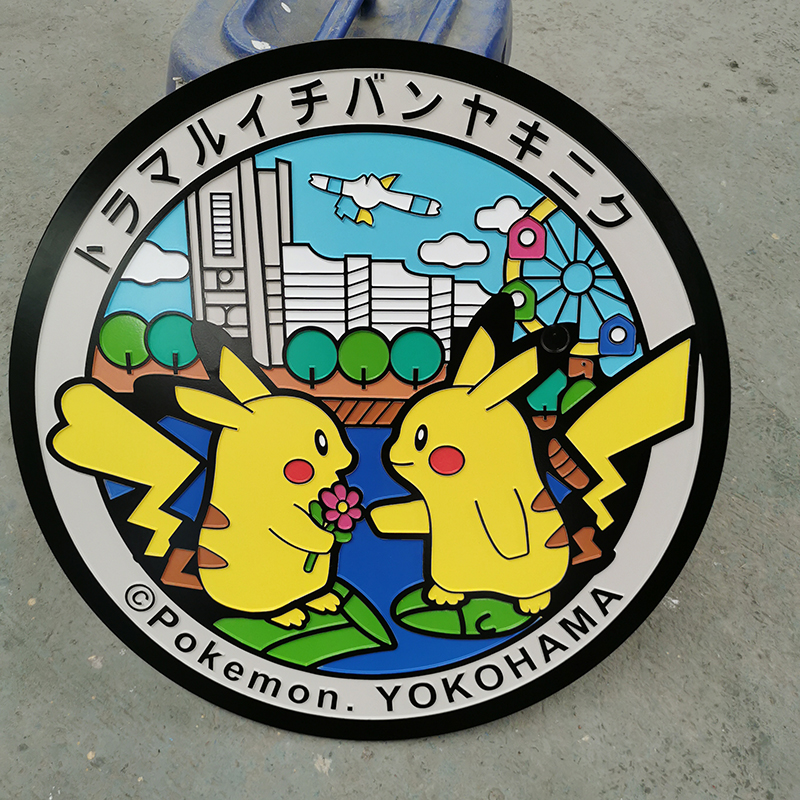
Custom-made combined manhole covers
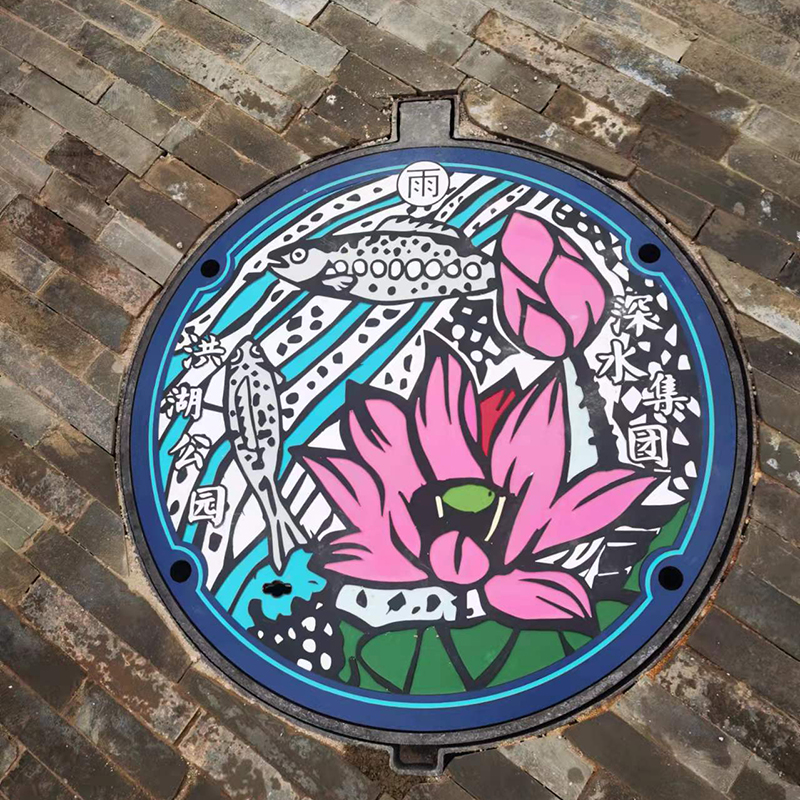
Integrated color aluminum art manhole cover
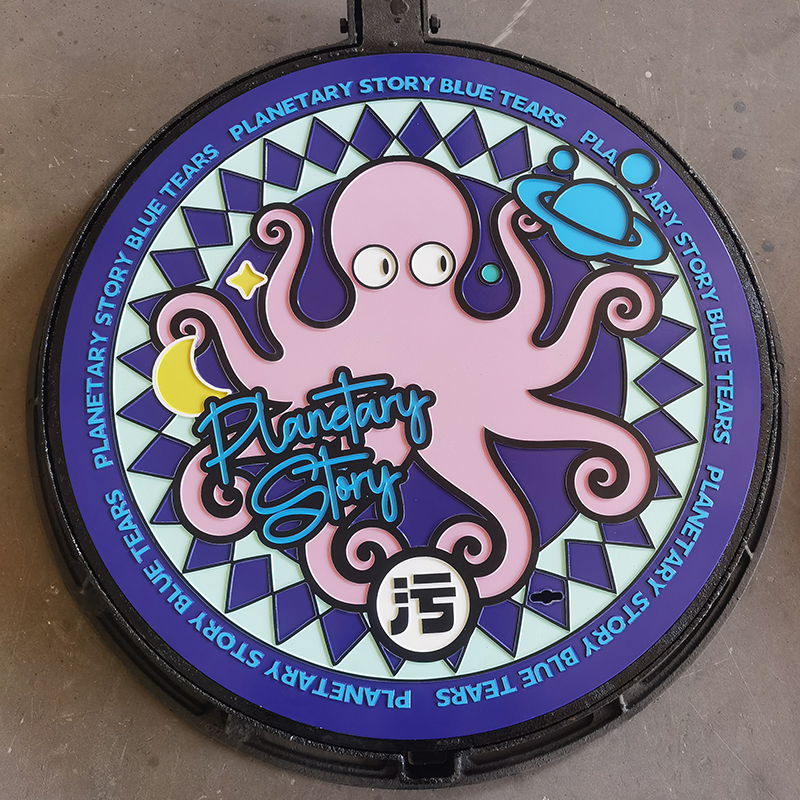
Colorful artistic manhole covers

Artistic copper-iron combined manhole cover
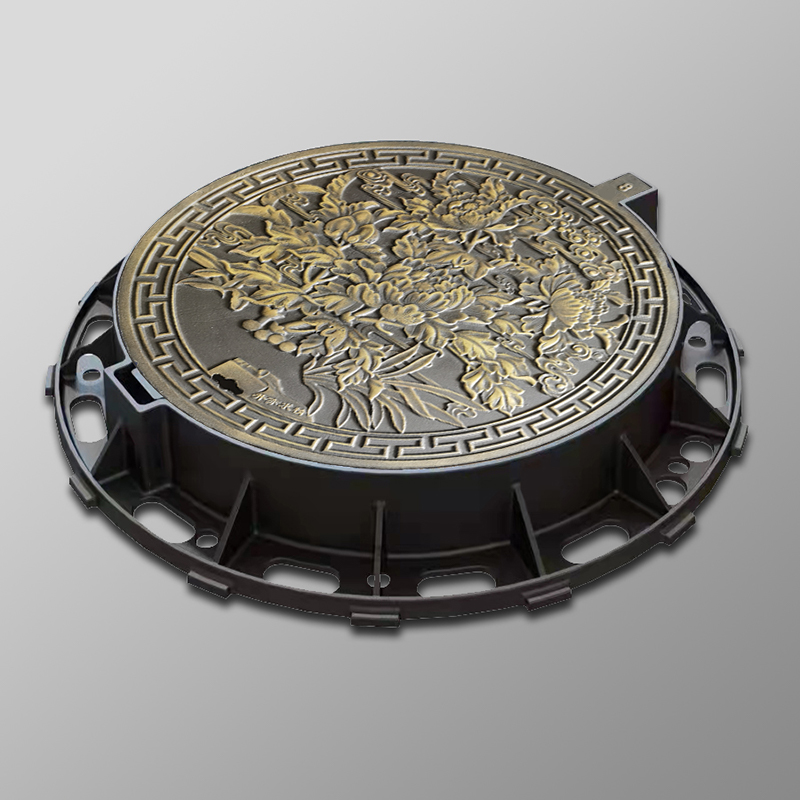
Cast iron copper-plated manhole cover
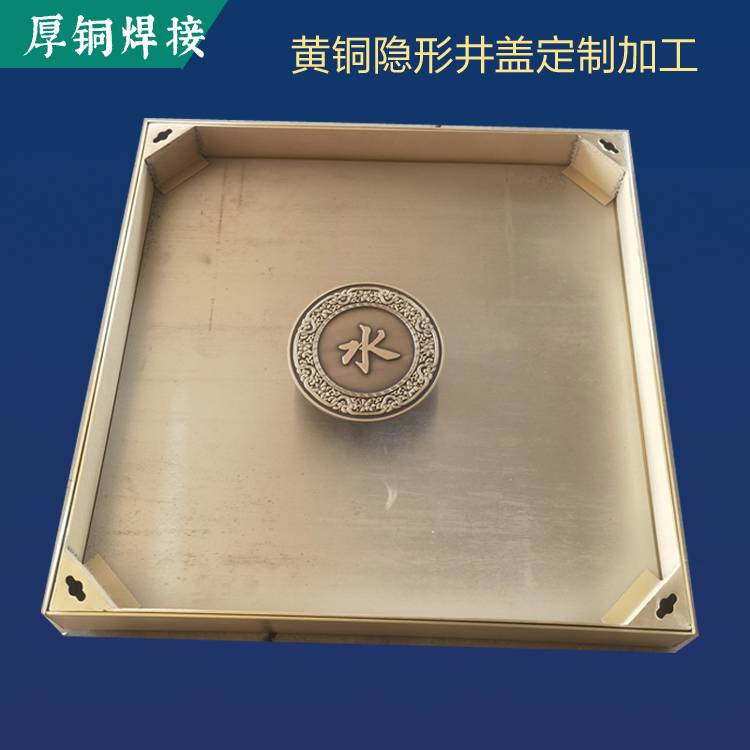
Invisible brass manhole cover
CLASSIFICATION OF ARTISTIC MANHOLE COVERS
Artistic manhole covers usually come in two forms.
The first type is the colored manhole cover.
The second type is the copper-faced manhole cover.
1、COLORFUL ARTISTIC MANHOLE COVERS
Colored manhole covers are usually made by applying outdoor wear-resistant resin, fluorocarbon and other materials on the surface of cast iron manhole covers or the combination type (iron and aluminum relief, aluminum base with aluminum relief), forming richly colored patterns on the surface. Generally, Japanese manhole covers are mostly made by filling resin on cast iron. If the custom quantity is small or the pattern is required to be fine, the aluminum combination type artistic manhole cover of Master Jingshang can be adopted.
2、COPPER-EFFECT FINISH MANHOLE COVER
可以做成青铜、黄铜、红铜的效果,有4种方法,可以做成的铜表面井盖
1.Casting bronze or red copper requires a large amount of copper, which makes it relatively expensive, but it is suitable for long-term use.
2. Cast iron is used as the load-bearing base, and an 8-millimeter-thick embossed copper plate is placed in the surface grooves. The two materials are physically combined to form a complete finished manhole cover. This method is suitable for small batches and can be used for a long time.
3. Patterns and characters are cast in cast iron and then covered with a 0.5 – 1mm thick layer of bronze, brass or red copper by laser to reduce production costs. It can be used for 6 – 8 years without wearing out. Even if it does wear out, it still looks good and is suitable for long-term use.
4. Patterns and characters are cast in cast iron and then electroplated with 0.1-millimeter-thick bronze, brass or red copper to reduce production costs. It can be used for one year before wearing out, but it is very cheap and not suitable for long-term use.
ONLINE DESIGN
We offer online consultation and design services. Please tell us your needs and a professional customer service representative will provide one-on-one service for you.
SAMPLE VISIT
We have an exhibition hall in Songzhuang, Beijing. We can also arrange for you to visit the sites of our previous clients.
FREQUENTLY ASKED QUESTIONS ABOUT RELATED SERVICES
The process of customizing signboards usually includes the following steps:
### 1. **Requirement Communication**
– **Clarify the Purpose**: Determine the purpose of the sign (such as directional signs, warning signs, advertising signs, etc.).
– **Size and Material**: Select the appropriate size and material (such as metal, acrylic, PVC, etc.) based on the installation environment and budget.
– **Design Style**: Determine the design style, color, font, etc., to ensure coordination with the brand or environment.
### 2. **Design Phase**
– **Initial Design**: The designer provides an initial plan based on the requirements.
– **Feedback and Revision**: The client offers revision suggestions, and the designer makes adjustments.
– **Design Confirmation**: The client finally confirms the design plan.
### 3. **Production Stage**
– **Material Procurement**: Purchase the required materials based on the design.
– **Production Processing**: Carry out processes such as cutting, engraving, printing, and spray painting.
– **Quality Inspection**: Ensure that the finished products meet the design requirements and quality standards.
### 4. **Installation Phase**
– **Site Survey**: Confirm the installation location and environment.
– **Installation Work**: Install according to the on-site conditions, ensuring it is secure and aesthetically pleasing.
– **Acceptance**: The customer conducts the acceptance inspection. Once confirmed to be correct, the delivery is completed.
### 5. **After-sales Service**
– **Maintenance and Care**: Provide maintenance suggestions to ensure the long-term use of the signboards.
– **Problem Resolution**: In case of quality issues, promptly offer solutions.
### Notes
– **Time Management**: Plan ahead to ensure timely completion.
– **Budget Control**: Select appropriate materials and processes within the budget.
– **Compliance**: Ensure that the signboards comply with relevant regulations and standards.
Through the above process, it can be ensured that each link from the design to the installation of the signboard is effectively controlled, and ultimately the customer’s requirements are met.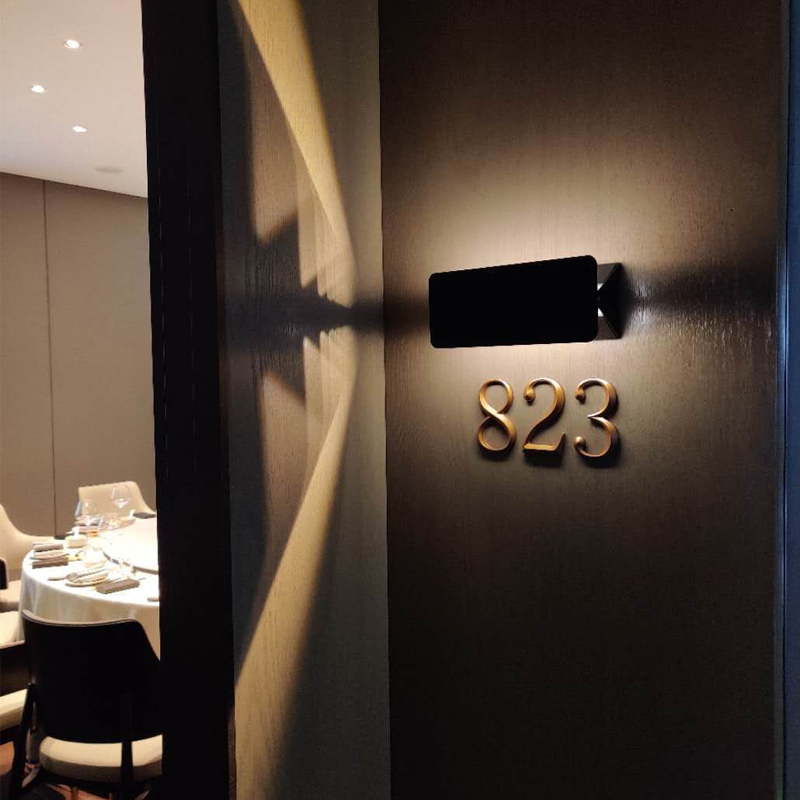
The industry principles and charging standards for custom sign products vary depending on factors such as application scenarios, materials, processes, and design complexity. The following is an overview of the general principles and charging standards in the custom sign industry:
—
### Industry Principles
1. **Customer Needs First**
– Customized sign production prioritizes meeting customer needs, including functionality, aesthetics, and brand consistency.
– Designers must communicate thoroughly with customers to ensure that the design solutions meet their expectations.
2. **Quality Assurance**
– Sign production must comply with industry standards to ensure durability, clarity, and safety.
– Material selection, production processes, and installation procedures should all be strictly controlled.
3. **Environmental Protection and Sustainability**
– Prioritize the use of eco-friendly materials to minimize environmental impact.
– Consider energy conservation and recyclability in the design and production processes.
4. **Combining Innovation with Practicality**
– Integrate innovative elements into the design while ensuring the practicality and readability of the signs.
– Design appropriate signs for different scenarios (such as indoor, outdoor, and traffic).
5. **Compliance**
– Signage design must comply with relevant laws, regulations, and industry standards. For instance, traffic signs should conform to the national standard (GB/T 18833-2012).
– Signs used in public places should take into account barrier-free design to ensure that they are accessible to everyone.
—
### **Charging Standards**
The charging standards for customizing signs are usually based on the following factors:
#### 1. **Material Costs**
– The prices of different materials vary significantly. Common materials include:
– **Metals**: Stainless steel, aluminum sheets, copper, etc.
– **Plastics**: Acrylic, PVC, etc.
– **Wood**: Solid wood, density board, etc.
– **Glass**: Tempered glass, laminated glass, etc.
– **Electronic Materials**: LED displays, touch screens, etc.
– The choice of materials directly affects the cost. For instance, high-end metals or electronic materials are usually more expensive.
#### 2. **Design Costs**
– **Complexity of Design**: Simple text sign design costs less, while complex graphics, 3D effects, or customized designs cost more.
– **Designer’s Experience**: Senior designers usually charge more than junior designers.
– **Design Tools**: If high-end design software or special techniques (such as AR/VR design) are required, the cost may increase.
#### 3. **Manufacturing Process**
– **Printing Techniques**: Screen printing, UV printing, digital printing, etc.
– **Engraving Techniques**: Laser engraving, mechanical engraving, etc.
– **Surface Treatment**: Spray painting, electroplating, polishing, etc.
– **Assembly and Installation**: Complex structure signs may require additional assembly and installation fees.
#### 4. **Size and Quantity**
– **Size**: The larger the size of the sign, the more material is used and the higher the production cost.
– **Quantity**: Mass production usually reduces the unit price because fixed costs (such as design fees and mold fees) can be spread out.
#### 5. **Installation and Maintenance**
– **Installation Difficulty**: Installation at heights or in complex environments (such as underwater or high-temperature conditions) may increase costs.
– **Maintenance Services**: If regular maintenance or remote monitoring (such as for electronic signs) is required, additional fees may apply.
#### 6. **Additional Features**
– **Intelligent Functions**: Such as embedded sensors, LED lights, touch screens, etc., will increase costs.
– **Special Requirements**: Such as waterproof, fireproof, anti-corrosion and other special performance requirements.
—
### **Charging Model**
1. **Project-based Pricing**
– This is suitable for large or complex custom sign projects. Designers and manufacturers will provide an overall quote based on project requirements.
2. **Charging by Area**
– Applicable to flat signs, such as billboards and wall signs, etc., the cost is usually calculated per square meter.
3. **Per-piece Pricing**
– Applicable to small signs or batch production, such as doorplates, direction signs, etc.
4. **Design Fee + Production Fee**
– The design fee and production fee are calculated separately. The design fee is usually charged by the hour or per project, while the production fee is calculated based on materials and craftsmanship.
5. **Additional Service Fees**
– These include installation fees, transportation fees, maintenance fees, etc., and are usually quoted separately based on actual needs.
—
### **Examples of Price Ranges**
The following are the approximate price ranges for some common custom signboards (for reference only; actual prices may vary by region and supplier):
1. **Simple Door Signs**: 50 – 200 yuan per piece (Materials: Acrylic, Metal).
2. **Outdoor Advertising Boards**: 500 – 2000 yuan per square meter (Materials: Printed fabric, LED).
3. **Electronic Signboards**: 1000 – 5000 yuan per square meter (Material: LED display).
4. **High-End Custom Signboards**: Over 5000 yuan (Materials: Stainless steel, Copper; Processes: Engraving, Electroplating).
—
### **Summary**
The charging standards and principles in the custom sign industry vary depending on project requirements. When choosing a supplier, customers should comprehensively consider factors such as design, materials, craftsmanship, and installation. At the same time, selecting an experienced supplier can ensure the quality and compliance of the signs and prevent potential issues in the future.
The supply chain of the sign and plaque industry involves multiple links, from raw material supply to the final product delivery, covering several stages such as design, production, logistics, and installation. The following are the main links in the supply chain of the sign and plaque industry and their key points:
—
### 1. **Raw Material Supply**
– **Key Materials**:
– **Metal Materials**: Such as stainless steel, aluminum plates, copper plates, etc., used for making high-end signboards.
– **Plastic Materials**: Such as acrylic, PVC, PC, etc., used for making lightweight and durable signboards.
– **Wood**: Used for making retro or natural style signboards.
– **Luminous Materials**: Such as LED lights, phosphor, etc., used for making luminous signboards.
– **Coatings and Inks**: Used for surface treatment and printing.
– **Supplier Management**:
– Ensure the quality, price, and delivery time of raw materials.
– Establish long-term cooperative relationships to guarantee the stability of the supply chain.
—
### 2. **Design and R&D**
– **Design Software and Tools**:
– Use design software such as CAD, AI, and PS for signboard design.
– Provide customized design solutions based on customer needs.
– **Innovation and R&D**:
– Develop new materials and processes to enhance product competitiveness.
– Optimize the design process by integrating intelligent technologies such as AR/VR.
—
### 3. **Production and Manufacturing**
– **Production Processes**:
– **Cutting and Engraving**: Precise processing is carried out using equipment such as laser cutters and CNC engraving machines.
– **Printing and Painting**: Patterns and text are created using technologies like UV printing and screen printing.
– **Assembly and Welding**: Different components are assembled into complete signboards.
– **Surface Treatment**: Processes such as polishing, electroplating, and painting are applied to enhance the appearance quality.
– **Production Equipment**:
– Laser cutters, engraving machines, UV printers, welding equipment, etc.
– **Quality Control**:
– Strict quality inspections are conducted during the production process to ensure that products meet standards.
—
Customized Engraved Office Sign,Business Name Sign,bronze signs plaques,Door Number Sign,hotel Signs,Metal Letters,Copper Portrait Sculpture
### 4. **Logistics and Warehousing**
– **Logistics Management**:
– Select appropriate logistics companies to ensure the safe and timely delivery of products.
– Provide professional packaging and transportation services for large or fragile signboards.
– **Warehousing Management**:
– Plan the storage of raw materials and finished products rationally to reduce inventory costs.
– Use information systems (such as WMS) to enhance warehousing efficiency.
—
### 5. **Installation and Construction**
– **Site Survey**:
– Confirm the installation location, environmental conditions, and customer requirements.
– **Installation Team**:
– Provide professional installation services to ensure that the signboards are firm and aesthetically pleasing.
– **Construction Equipment**:
– Use equipment such as aerial work platforms, electric drills, and welding equipment to complete the installation.
—
### 6. **After-sales Service**
– **Maintenance and Care**:
– Provide regular maintenance services to extend the service life of the signboards.
– **Problem Resolution**:
– Offer timely repair or replacement services for damaged or defective signboards.
—
### 7. **Informationization and Intelligence**
– **Supply Chain Management System**:
– Optimize supply chain management by using systems such as ERP and SCM to enhance efficiency.
– **Data Analysis**:
– Optimize inventory, production, and logistics through data analysis.
– **Intelligent Technologies**:
– Integrate AI, IoT, and other technologies to achieve intelligent supply chain management.
—
### 8. **Environmental Protection and Sustainable Development**
– **Green Materials**:
– Select environmentally friendly materials to minimize the impact on the environment.
– **Waste Recycling**:
– Recycle waste generated during the production process to reduce waste.
– **Energy-efficient Production**:
– Adopt energy-efficient equipment and technologies to reduce energy consumption.
—
### Suggestions for Supply Chain Optimization
1. **Digital Management**: Introduce information systems to achieve data sharing and collaboration across all supply chain links.
2. **Supplier Partnership**: Establish long-term cooperative relationships with high-quality suppliers to ensure the quality and stability of raw material supply.
3. **Inventory Optimization**: Use data analysis to rationally control inventory and reduce capital occupation.
4. **Intelligent Upgrade**: Combine AI, IoT and other technologies to enhance the intelligence level of the supply chain.
—
By optimizing supply chain management, signboard enterprises can enhance production efficiency, reduce costs, and improve customer satisfaction, thereby gaining an edge in market competition.
The full name of Shengyi Long Company is “Beijing Shengyi Long International Sign Engineering Co., Ltd.” It has the qualification of an operator of foreign trade issued by the state and has opened a foreign exchange account.
In the Chinese mainland, we have provided processing and services for the real estate, scenic spots, hotels, medical care and other industries in many regions.
We have also cooperated with clients from the United States, the United Kingdom, Germany, Kazakhstan, Japan, Kenya, Australia, Taiwan and other regions.
Industry 4.0, a revolution in the manufacturing and industrial sectors, aims to comprehensively upgrade the production process through intelligent, digital and automated technologies. As an important part of both industry and service sectors, the sign and plaque industry has also undergone significant changes under the impetus of Industry 4.0. The following are the convergence points and impacts of Industry 4.0 on the sign and plaque industry, with Beijing Shengyilong Signage gradually moving forward:
—
### Core Characteristics of Industry 4.0
The core technologies of Industry 4.0 include:
1. **Internet of Things (IoT)**: Interconnection among devices, machines, and systems.
2. **Big Data Analytics**: Optimizing production processes and decision-making through data.
3. **Artificial Intelligence (AI)**: Enabling intelligent control and predictive maintenance.
4. **Automation and Robotics**: Enhancing production efficiency and precision.
5. **Digital Twin**: Real-time synchronization between virtual models and physical entities.
6. **Cloud Computing and Edge Computing**: Enabling distributed capabilities for data storage and processing.
These technologies have not only transformed traditional manufacturing industries but also had a profound impact on the sign and plaque industry.
—
The Impact of Industry 4.0 on the Signage Industry
#### 1. **Intelligent Production**
– **Automated Production Lines**: Industry 4.0 has driven the automation of sign production, such as using robots for cutting, engraving, printing, and assembly, reducing manual intervention and enhancing efficiency and accuracy.
– **Customized Production**: Through digital technology, signs can be produced in small batches and customized to meet diverse customer needs.
#### 2. **Digital Design and Manufacturing**
– **Digital Twin Technology**: During the design phase, the actual effect of the sign can be simulated through digital twin technology to optimize the design plan.
– **3D Printing**: It is used to manufacture signs with complex shapes or special materials, shortening the production cycle.
#### 3. **Integration of Smart Signage and Internet of Things**
– **Digital Signage**: The advent of Industry 4.0 has led to the widespread adoption of digital signage, such as LED displays and touch screens, which can update information in real time and interact with users.
– **IoT Signage**: Signage can be embedded with sensors and communication modules to enable remote monitoring and management. For instance, traffic signs can adjust their display content based on real-time traffic conditions.
#### 4. **Data-Driven and Intelligent Management**
– **Big Data Analysis**: By analyzing the usage data of signs (such as foot traffic and user interaction data), the design and layout of signs can be optimized.
– **Predictive Maintenance**: Real-time monitoring of electronic signs to predict faults and perform maintenance in advance, reducing downtime.
#### 5. **Environmental Protection and Sustainable Development**
– **Smart Materials**: Industry 4.0 has promoted the use of environmentally friendly materials, such as recyclable materials or low-energy electronic components.
– **Energy-saving Design**: Through intelligent control, electronic signs can automatically adjust their brightness based on ambient light or foot traffic, reducing energy consumption.
—
Applications of Signage and Signboards in Industry 4.0
#### 1. **Smart Factory**
– **Equipment Identification**: By using QR codes, RFID tags or electronic nameplates, intelligent management of equipment is achieved, such as tracking equipment status, maintenance records, etc.
– **Production Line Guidance**: Dynamic electronic nameplates are used to display production progress, fault information or operation instructions in real time.
#### 2. **Smart City**
– **Intelligent Traffic Signs**: Dynamically adjust display content based on real-time traffic data to optimize traffic flow.
– **Public Information Signs**: Provide real-time weather, news, emergency notifications, and other information.
#### 3. **Retail and Commerce**
– **Interactive Billboards**: Offer immersive shopping experiences through touch screens or AR technology.
– **Smart Navigation**: Provide navigation services in shopping malls or exhibition halls using electronic signs or robots.
#### 4. **Logistics and Warehousing**
– **Smart Warehouse Signage**: Utilizing electronic signage to display inventory information, goods locations, etc., to enhance warehouse management efficiency.
– **Automated Sorting**: Combining identification technology and robots to achieve automated sorting and transportation of goods.
—
### Future Trends
1. **Wider Intelligence**: Signage will become more intelligent, capable of real-time interaction with users, the environment, and other devices.
2. **Cross-Border Integration**: The signage industry will deeply integrate with technologies such as the Internet of Things, artificial intelligence, and AR/VR, creating more innovative applications.
3. **Green and Environmentally Friendly**: With the popularization of sustainable development concepts, the use of eco-friendly materials and energy-saving designs will become important development directions for the signage industry.
—
In conclusion, Industry 4.0 has brought significant opportunities and challenges to the sign and plaque industry. By embracing new technologies, the sign and plaque industry can achieve a transformation and upgrade from traditional manufacturing to intelligent and digital manufacturing, providing users with more efficient and intelligent services.